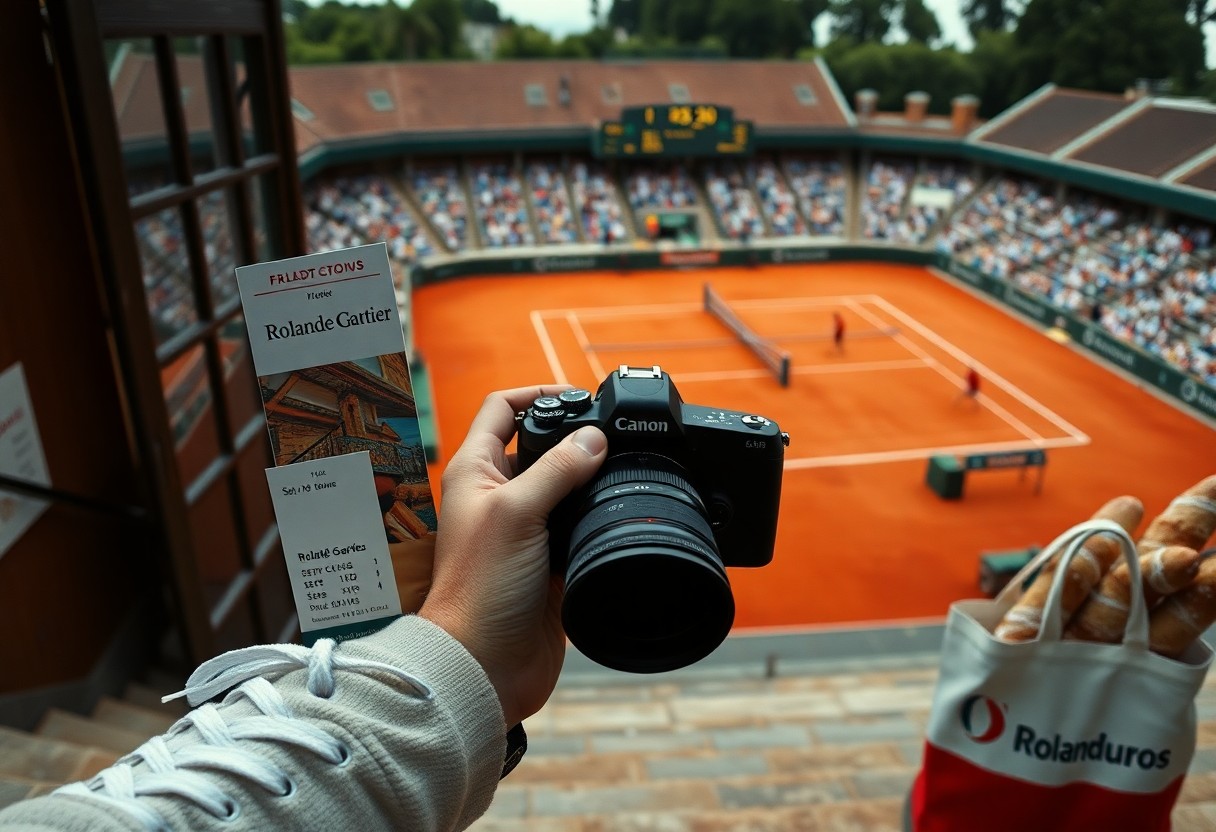
Over the years demand has surged, so start early: target official sale dates, join the ticketing waiting list and set fare alerts to lock in flights and accommodation. Prioritize booking via Tennis Australia’s official site to avoid ticket scams, and buy travel insurance for weather-related changes. Appreciate the event by reserving premium match days or ground passes for the best live atmosphere and plan transport between venues in advance.
Types of Tickets
Different options suit different budgets and goals: General Admission for flexible court-hopping, Reserved Seating for guaranteed views in Rod Laver, John Cain or Margaret Court Arenas, and Hospitality Packages for premium dining and exclusive access. Compare capacity and access – Rod Laver holds ~14,820 while John Cain is ~10,500 – and book high-demand sessions early. This
| Ticket Type | Quick Details |
|---|---|
| General Admission | Access to outer courts, big screens, cheapest option for full-day entry. |
| Reserved Seating | Assigned seats in main arenas; ideal for must-see matches and evening sessions. |
| Hospitality Packages | Premium seating, catering, dedicated entry; often sold as tiered corporate options. |
| Grounds Pass | Variant of GA that allows access to grounds only, great for watching multiple matches on a budget. |
- General Admission
- Reserved Seating
- Hospitality Packages
- Grounds Pass
- Premium/Courtside
General Admission
General Admission tickets let you move between outside courts and big screens, with prices historically starting from low tens of Australian dollars for single-day access; expect large, unnumbered sections and long lines for popular matches. Many fans use GA to catch surprise upsets on smaller courts while avoiding higher arena prices, and peak days (mid-January weekend) can reach tens of thousands of visitors.
Reserved Seating
Reserved Seating guarantees an assigned seat in a specific arena-Rod Laver, John Cain or Margaret Court-so you can plan around session times and exact sightlines; premium blocks near the court command higher prices, and evening sessions often sell out weeks in advance. Accessible seating is included in each arena allocation, and ticket tiers reflect row and section proximity.
For example, Rod Laver Arena (capacity ~14,820) uses tiered pricing across sections A-Z and odd/even rows; courtside or lower-bowl seats cost substantially more, single-session tickets may range widely by opponent and day, and many fans swap resale markets for last-minute upgrades when official inventory is gone. Assigned seating reduces uncertainty for groups and makes scheduling easier.
Hospitality Packages
Hospitality Packages bundle premium seating with food, beverages, and extras like private lounges, player appearances, or meet-and-greets; corporate options can cost from several hundred to several thousand AUD per person depending on level and inclusions. These packages often include dedicated entrances and VIP parking for a seamless experience tailored to clients or luxury travellers.
Packages vary by provider and tier-some offer private boxes for 6-20 guests, others supply premium club access and complimentary beverages; inventory is intentionally limited and often sold as day or multi-day passes with fixed menus and concierge service. Premium seating and exclusive amenities make these options best for hospitality budgets. This requires booking well in advance to secure preferred dates.
Tips for Buying Tickets
Prioritise sessions by atmosphere and price-early rounds often cost under A$50, while finals exceed A$300. Secure accounts on the official Tennis Australia ticketing site and Ticketmaster beforehand, enable saved payment details, and use multiple devices at release times. Check for grounds passes and practice-session tickets as budget options. The best tactic is to set calendar alerts for pre-sales and public on-sale windows to strike as soon as tickets drop.
- Official Tennis Australia account
- Ticketmaster app and saved payment
- Grounds passes for cheaper access
- Resellers only when verified
- Session choice: early rounds vs finals
Purchasing Online
Create accounts on the official platforms weeks before sale, add a verified card and enable 2FA; on-sale times can see thousands of buyers per minute. Use the Ticketmaster app and browser simultaneously, join pre-sale lists via credit-card partners, and clear caches to avoid checkout errors. If buying for multiple people, split purchases across devices to bypass per-transaction limits and reduce cart timeouts.
Using Resellers
Resellers can offer sold-out sessions but usually add heavy markups-expect platform fees of 10-30% and sometimes 50-200% price inflation on finals. Verify seller ratings, insist on electronic transferable tickets, and prefer platforms with buyer guarantees like StubHub or verified reseller programs to reduce fraud risk.
Vet listings by comparing to face value and checking delivery method: transferable e-tickets are safer than paper collection. Watch for hidden fees that can add A$30-A$150 per ticket; request screenshots of ticket details and seller ID when possible. If resale is your only option, choose platforms offering refunds for invalid tickets and pay with a card that allows chargebacks-this provides an extra layer of protection.
Timing Your Purchase
Buy early for best seat selection-many good seats sell out within the first 24-72 hours of public on-sale-and monitor official releases for session drops or added courts. Consider purchasing when schedules are released (typically weeks before the event) to lock in matches you want; alternatively, last-minute returns and day-of scalping sometimes yield bargains for early rounds.
Track ticket release patterns: organisers often publish additional allocations in batches and release returned corporate seats 7-10 days before the tournament. Use alerts from forums and ticket apps to catch flash drops, and set a target window-typically 6-0 days before the event-when you’ll recheck resale prices, as supply and demand can swing dramatically in that period.
Step-by-Step Guide to Securing Tickets
| Step | Action |
|---|---|
| Research Dates & Matches | Check the 14-day schedule, prioritise day/night sessions and which courts host marquee matches; early-round tickets can be under A$50, while semis/finals often exceed A$300. |
| Create an Account | Register on the official ticketing site (e.g. Ticketek), verify email, and save payment details at least 48 hours before sales to avoid delays during checkout. |
| Launch & Queue | Join the online queue on sale day, use multiple devices or browsers for redundancy, and watch the session countdown to avoid missing release windows. |
| Checkout & Confirm | Confirm seat map and ticket limits, have CVC ready, and expect service fees that can add about 10-20% to the face price. |
Researching Dates and Matches
Scan the official schedule as soon as it’s published-the tournament runs 14 days and order of play typically appears about two weeks beforehand. Focus on which sessions offer the atmosphere you want: early rounds are cheaper (often below A$50) and Rod Laver Arena night sessions host headline matches; factor in travel and hotel nights around session times to avoid missing key matches.
Creating an Account
Set up your account on the official ticket platform (commonly Ticketek), verify your email, and add a primary payment method; having details saved 48 hours before sale day cuts checkout time and reduces the risk of losing seats in a fast-moving queue.
Use a real-name profile, match the billing address to your card exactly, and enrol in any member or mailing lists that give access to presale codes. Test logging in and perform a dummy password reset to ensure access; save a secondary card to avoid declines, and disable disruptive browser extensions before sale day.
Completing the Checkout Process
Move quickly but confirm every detail: select seats on the map, check the ticket quantity limit (often up to 6), and have your CVC and billing address ready-service charges usually increase the final cost by about 10-20%, so include them when comparing session prices.
Prefer a wired or stable high-speed connection and use an autofill-safe browser profile to speed data entry. Review the order summary before submitting payment, avoid multiple simultaneous transactions that might trigger fraud checks, and save confirmation emails/PDFs immediately after purchase.
Factors to Consider When Planning Your Trip
Timing, budget and atmosphere shape how you approach the Australian Open. Key considerations include:
- Tickets (session type, price tiers)
- Flights (book 6-12 weeks out)
- Accommodation (CBD, Southbank, St Kilda options)
- Schedule (day vs night sessions, practice vs main draw)
Expect early-round tickets under A$50 and finals over A$300. This clarifies priorities for booking and budgeting.
Travel Arrangements
Book flights 6-12 weeks in advance to avoid price spikes; Melbourne’s main airport is MEL. Factor 30-60 minutes for airport transfer to CBD off-peak, up to 90 minutes in peak traffic. Aim to arrive a day before night sessions to avoid jet lag issues and schedule buffers for baggage delays, and compare fares on Jetstar, Qantas and Virgin for the best balance of price and timing.
Accommodation Options
Choose lodging within 10-25 minutes of Melbourne Park: CBD and Southbank are 15-20 minutes by tram, St Kilda about 25 minutes. Expect nightly rates roughly A$120-A$450 depending on proximity and comfort; book refundable rates if plans may shift. Strongly weigh distance to venues versus nightly savings when selecting stays.
Serviced apartments and hotels near the stadium suit different needs: apartments give kitchen access and work better for families or long stays, while hotels offer concierge and late check-in. Use examples-a 2‑star budget hotel in Footscray can be A$120/night, mid-range CBD hotels A$180-A$300, and premium hotels A$350+. Check cancellation policies (preferably free cancellation up to 7 days out) and transit links; trams and rideshares will typically take 10-25 minutes to Melbourne Park depending on time of day.
Event Schedule
The tournament runs for two weeks in mid-late January with early rounds in week one and finals in week two; the women’s final is usually Saturday and the men’s final Sunday. Day sessions commonly start around 11:00 and run until 18:00, while night sessions often begin near 19:00 and finish by 23:00, so plan travel and rest accordingly.
Practice courts operate from the tournament build-up and can be scheduled mornings; they’re useful for catching rising stars without heavy ticket costs. Prioritise rounds: early matches are affordable (often A$30-A$60), quarterfinals typically sit in the A$80-A$150 range, and semis/finals climb higher. Use session timing to mix day matches with a night session for peak atmosphere while limiting travel between venues and your accommodation.
Pros and Cons of Different Ticket Options
Weigh options against budget and priorities: general admission gives roaming access and low entry costs (early rounds A$30-A$80), reserved seating guarantees a spot in show courts (Rod Laver ~14,820 seats; prime sessions A$60-A$350+), and hospitality packages include food and proximity but start from ~A$500. Use the table below to compare trade-offs across common ticket types and scenarios.
| Pros | Cons |
|---|---|
| General Admission: Low cost, ground access to outer courts and practice courts. | Variable seating: No guaranteed seat, may stand long periods and arrive early to secure view. |
| Reserved Show Court: Guaranteed numbered seat, best sightlines for headline matches. | Higher price: Premium sessions (weekends/finals) often exceed A$200-A$350 per ticket. |
| Reserved Outer Court: Cheaper than show courts with a fixed seat and easier entry/exit. | Smaller crowds: Less atmosphere than Rod Laver; some seats have restricted sightlines. |
| Grounds/Practice Pass: Cheapest way to experience atmosphere and player practice sessions. | No show matches: Cannot access main show-court matches without upgrading. |
| Hospitality/VIP: Premium catering, shorter queues and dedicated host services. | Expensive: Packages commonly start around A$500-A$1,000+, limited availability. |
| Multi-day Passes: Cost-efficient for tournament-long attendance with guaranteed seat continuity. | Less flexible: Locked to dates; swapping days/seat changes often restricted or costly. |
| Resale/Verified Marketplace: Last-minute access to sold-out sessions via Ticketek/AO resale. | Service fees: Resale often adds 10-25% fees and ticket prices can spike above face value. |
| Accessible Seating: Dedicated spaces, companion tickets and venue assistance. | Limited supply: Early booking important; specific sightline and mobility constraints apply. |
Benefits of General Admission
Many attendees prefer general admission for its flexibility and low cost: early-round GA tickets frequently start around A$30-A$50, letting you wander practice courts, catch rising stars and choose matches on the fly; groups can split time across outer courts, capitalising on unpredictable scheduling and spontaneous great matchups without paying show-court prices.
Drawbacks of Reserved Seating
Reserved seats lock you into a session and often carry a premium-show-court prices can jump to A$100-A$350+ for weekends and marquee nights; additionally, some numbered seats sit behind structural posts or near steep sightlines, reducing viewing quality despite higher costs.
Further, reserved-ticket buyers face limited flexibility: exchanges and refunds are tightly controlled, resale markets tack on 10-25% fees, and scheduling changes (roof closures or session overruns) can force late finishes or relocated matches, leaving fixed-seat holders with fewer alternatives than GA ticket holders.
Preparing for the Australian Open Experience
Plan transport and timing: trains and trams run extra services during the fortnight, and gates typically open 90 minutes before session start-allow 30-60 minutes for security queues. Arrive 45-90 minutes early for ground-pass viewing and practice courts. Be aware the tournament enforces an Extreme Heat Policy when temperatures approach 40°C; seek shade and hydrate. Day finals often last 3-4 hours.
What to Bring
Pack sun protection-broad-brim hat, SPF50+ sunscreen and UV sunglasses-plus a refillable water bottle (500ml-1L) for refill stations. Add a 10,000mAh power bank, compact binoculars (8×25), earplugs for loud sessions and a clear bag that meets venue size rules. Bring prescriptions and a printed ticket/ID. Leave selfie-sticks and large backpacks at the hotel to speed security checks.
Etiquette and Rules
Stay silent during points and applaud at point ends; no flash photography or disruptive video recording. Phones must be on silent and calls avoided inside courts. Do not stand during a rally or block aisles; ushers may ask latecomers to wait until the next game. Smoking is banned inside venues and prohibited items can result in ejection.
Examples matter: the serve clock enforces roughly a 25‑second limit between points, so matches move quickly-avoid interrupting. Stand only during changeovers or set breaks, and exit between games if you must move. For medical or accessibility needs, contact an usher or information desk; they can provide seating adjustments, first aid or guidance on accessing practice courts.
Summing up
The most effective strategy combines early registration on the official Australian Open site, subscribing to ticket alerts, considering hospitality or package deals, checking authorized resale platforms, aligning travel dates with preferred sessions, and setting a realistic budget; secure refundable travel and insurance to adapt to schedule changes and maximize your event experience.
FAQ
Q: How and when should I buy Australian Open tickets to get the best chance at seats?
A: Sign up for Tennis Australia/AO and Ticketek newsletters and create an account on the official AO ticketing site ahead of sale dates to access member pre-sales and general release windows. Member and venue presales typically happen several weeks before general sale; hospitality and package sales run on a different schedule. On public sale day, have payment details ready, use a wired connection if possible, and open the session pages in separate tabs to speed selection. If primary sale sells out, use the official Ticketek Exchange resale or authorized hospitality partners-only buy from official resale channels to avoid fraud. Check allocation limits, delivery method (mobile ticketing is common), and refund or exchange policies before purchase.
Q: Which sessions and seats should I pick for the best match experience and value?
A: Decide between day and night sessions: day sessions often let you see more matches across outer courts and can be cheaper; night sessions usually feature headliners and a more electric atmosphere. Choose show courts (Rod Laver, John Cain, Margaret Court) for top matches-higher tiers give full court perspective, lower rows offer close-up action and player expressions. For value, mid-level lateral seats behind the baseline balance view and price; corner or behind-the-volley positions give dramatic angles but can be farther from play. If you want daily access to many matches and practice courts, a ground pass is economical; for guaranteed top-court viewing, buy show-court tickets early. Check the order-of-play and draw updates as the tournament approaches to pick days with likely marquee matchups.
Q: After securing tickets, what trip-planning steps will make attending the event smooth?
A: Book accommodation near Melbourne Park or with easy tram/train links and confirm flexible cancellation terms. Arrange transport: review AO’s official travel advice (public-transport inclusions or recommended tram/train routes), consider a Myki card for local transit, and allow extra time for security queues. Review AO entry rules: bag size limits, prohibited items, mobile ticketing requirements, and peak entry times. Plan daily logistics-arrival window for sessions, food options, and hydration/sun protection for outdoor courts. Keep digital and printed copies of tickets and ID, know ticket transfer or will-call procedures if plans change, and buy travel insurance covering event disruption if desired.