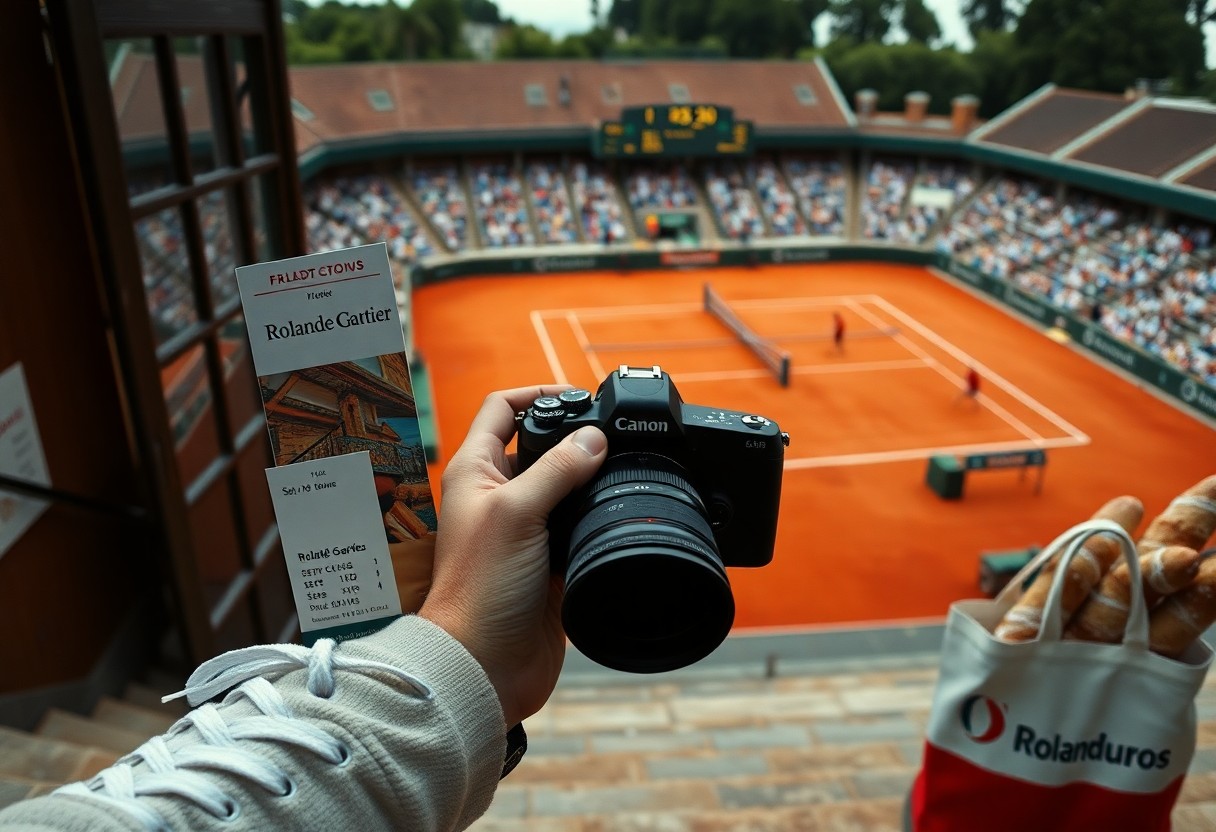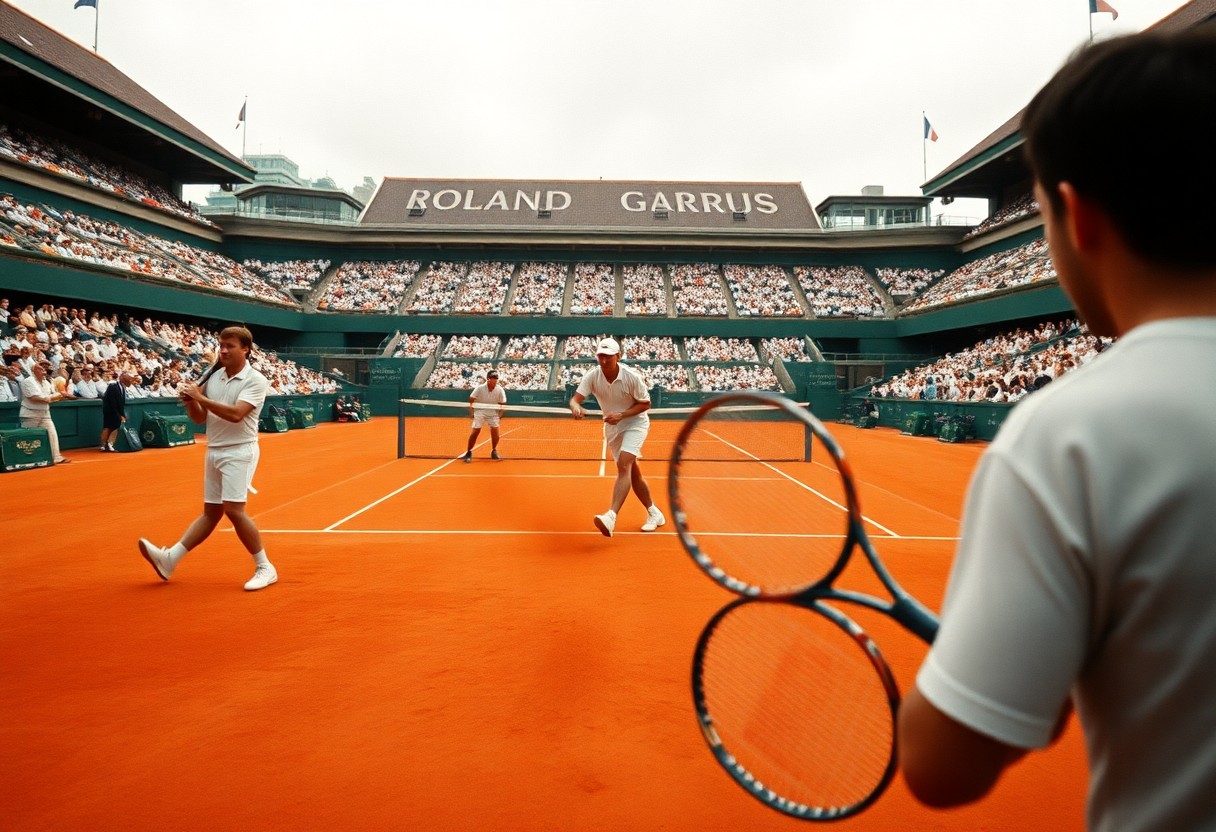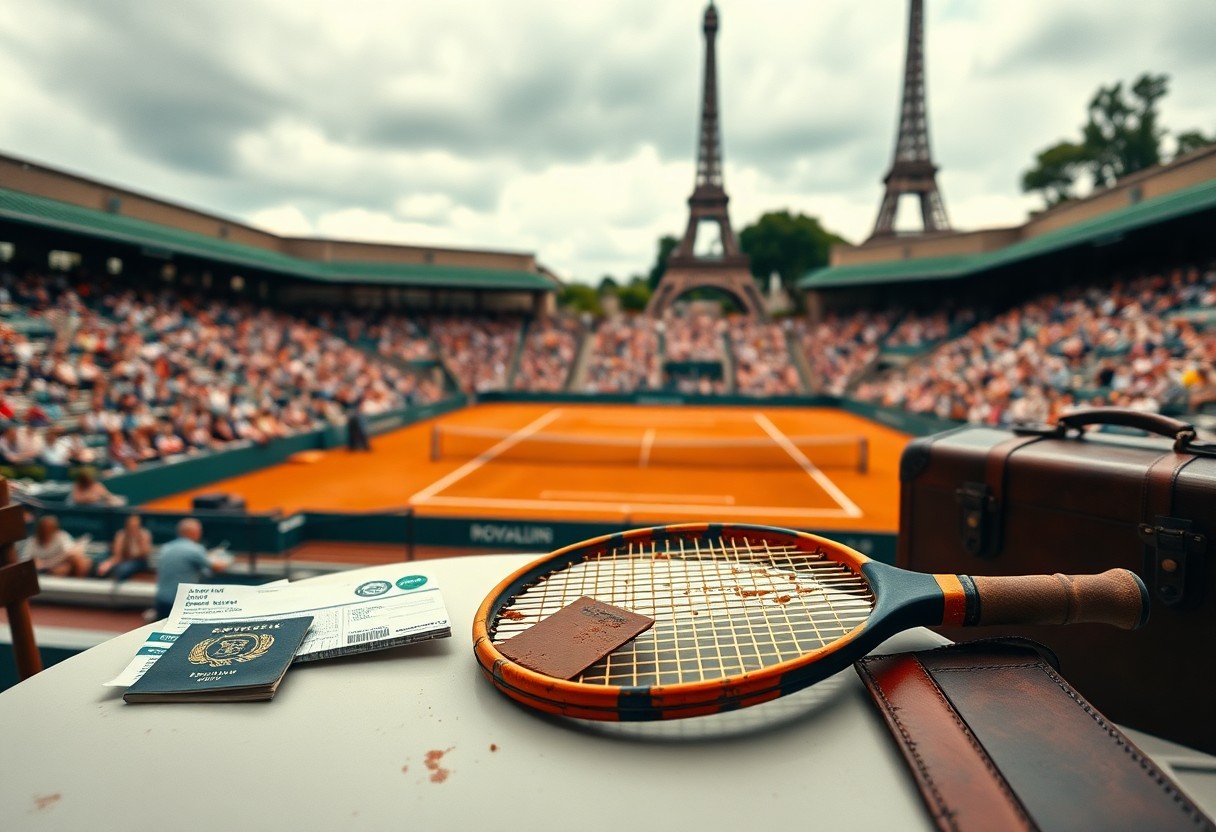
Just align travel dates with match days, secure center-court tickets early, and book lodging near Porte d’Auteuil to minimize transit; craft a flexible plan that balances sessions at the stadium, iconic sightseeing, and dining. Pack comfortable shoes and a weatherproof jacket, keep digital copies of documents, stay vigilant for pickpocketing in crowded areas, and embrace the electrifying, world-class atmosphere of Parisian tennis.
Types of Roland Garros Experiences
Varying options range from a simple Grounds Pass to full hospitality packages, with Court Philippe-Chatrier seating (~15,000) and Suzanne-Lenglen (~10,000) hosting headline matches; the tournament draws around 450,000 spectators across two weeks. You can chase early-round variety on outer courts or aim for night sessions when top players often appear. Recognizing the difference between a general-access day and a reserved-seat ticket will determine sightlines, schedule flexibility and cost.
- Grounds Pass – access to practice courts, fan zones, and outer courts
- Reserved Show Court – assigned seating on top courts with best views
- Night/Session Tickets – higher-profile matches, better atmosphere
- Hospitality Packages – meals, lounges, expedited entry
- Player Experiences – clinics, guided museum tours, autograph opportunities
| Grounds Pass | Low-cost option giving access to practice courts, fan activations and outer matches. |
| Reserved Show Court | Seats on Philippe-Chatrier or Suzanne-Lenglen; best for headline matches. |
| Night Sessions | Prime-time play with cooler temperatures and big-name scheduling; often sold fast. |
| Hospitality | Includes catering, lounges and priority access – ideal for corporate or comfort-focused stays. |
| Player-Focused | Clinics, museum access and meet-and-greets; limited slots that require advance booking. |
Attending Matches
Book reserved seats early for quarterfinals and later-these sell out weeks ahead; the renovated Philippe-Chatrier has a retractable roof to limit rain delays, while outer courts remain weather-exposed. Expect capacity crowds (≈15,000 on Chatrier) and variable start times: early rounds run all day, night sessions start around 7:00-8:00 PM. Pack sunscreen, water, and be mindful that clay becomes slippery when wet, which affects player movement and spectator footing.
Exploring the Grounds
Wander practice courts for close-up glimpses of players warming up, visit the Roland Garros museum for interactive exhibits, and sample fan-favorite food stalls in the terraces; early-round mornings offer quieter exploration and better autograph chances.
Further detail: practice sessions typically occur during mornings and mid-afternoons, so plan a walk of the outer courts between matches; lines for photos and autographs form near practice areas and main pathways-arrive 15-30 minutes early. Use the official Roland Garros app for live court assignments and match updates, and note that outer-court schedules shift as players progress, making flexible timing and a prioritized shortlist of courts the most effective strategy.
Tips for Planning Your Trip
Plan fast: Roland Garros runs for two weeks in late May-early June, so aim to lock in tickets and accommodation 3-6 months in advance to secure better seats and rates. Compare official French Tennis Federation releases with resale platforms and set price alerts for flights into CDG or Orly. Factor rest days and museum closures into your schedule. The best tip: book key elements early and build flexibility around match sessions.
- Tickets
- Accommodation
- Transportation
- Match schedule
- Travel insurance
Booking Accommodation
Choose lodgings near the 16th arrondissement, Saint‑Germain, or the 7th for quick access; hotels range from boutique rooms to 4‑star chains. Expect rates to rise to €150-€350/night during tournament week and consider apartments for groups to reduce per‑person costs. Book refundable rates or short‑term rentals with clear check‑in instructions, confirm walking distance to Stade Roland Garros, and verify transit options for late finishes.
Transportation Options
Rely on Metro and RER for quick links-Porte d’Auteuil is the closest stop-while buses and Vélib’ bikes handle last‑mile hops. Expect 20-40 minute rides from central arrondissements and buy a multi‑day pass to cut per‑ride costs. The crowded metro at session changeovers increases pickpocket risk, so allow extra time and keep valuables secure.
For convenience, purchase a multi‑day transport pass (weekly Navigo valid Monday-Sunday) to simplify trips and avoid single‑ticket queues; reload at stations or via the Île‑de‑France app. Expect heavy road congestion around the stadium-driving adds significant delays-so prefer public transit or bike lanes; taxis and ride‑hailing work after late sessions but may surge. The best practice is to map walking routes from your hotel and check live metro updates before leaving.
Step-by-Step Guide to Buying Tickets
Ticket options at a glance
| Option | When / Notes |
|---|---|
| Ground pass | Best for seeing multiple matches; typically the most affordable entry from about €20. |
| Philippe-Chatrier | Main court (~15,000 seats); prime sessions and night matches sell fastest. |
| Suzanne Lenglen | Second show court (~10,000 seats); great balance of atmosphere and access. |
| Grandstands / Category tiers | Tiered pricing for sightlines; Category 1/2/3 (front rows cost more) and early-round discounts apply. |
| Hospitality / Boxes | Premium packages include lounge access, hospitality and reserved seating; prices often exceed €300. |
| Resale / Authorized partners | Use RolandGarros.com or FFT-authorized resellers only; avoid unauthorized marketplaces to prevent scams. |
Understanding Ticket Categories
Ground passes let you hop between courts and catch qualifiers; court tickets assign seats on Philippe-Chatrier, Suzanne Lenglen or smaller courts. Many sessions use tiered categories-front-row and central sections command the highest prices while upper stands cost less. Early rounds and qualifying days usually range from about €20-€60, main-draw evening sessions often sit between €80-€250, and finals/hospitality climb above €300.
Purchasing Process
Start by creating an account on RolandGarros.com and subscribe to sale alerts; tickets typically release in phases (ballots, member presales, then public sale). Use secure payment methods, enable mobile tickets in the app, and print only when allowed. For high-demand sessions like semifinals and finals, expect rapid sellouts and consider hospitality packages or authorized resale for availability. Avoid unauthorized resellers to prevent fraud.
For practical steps: enter the official sale window, select date and court, pick specific seat category, and complete checkout with saved payment details to speed the process-many buyers increase success by logging in on multiple devices and clearing carts quickly. The FFT ballot system can allocate limited early-round or center-court tickets, so apply if offered; if using resale, verify seller accreditation and refund policies before purchase.
Factors to Consider When Traveling to Paris
Book tickets early, choose lodging within 20-30 minutes of Roland Garros, and map key metro lines to avoid late arrivals; expect long queues and dense crowds around main courts. Allow buffer days for occasional strikes and set a realistic budget-€60-€200 per day during tournament weeks. Knowing how these elements interact will determine whether you fit in multiple sessions or a single match day.
- Tickets: official RG site for reserved seats; grounds passes are cheaper but busier.
- Transport: Metro lines 9 and 10 serve Porte d’Auteuil; expect 20-40 minute rides from central arrondissements.
- Accommodation: aim for the 16th, 7th or nearby 15th arrondissement for fastest access; book 3-6 months ahead.
- Budget: match tickets €20-€160+, meals €10-€35, daily totals vary by choice.
- Safety: watch for pickpocketing in crowded areas and on the metro; carry minimal valuables.
Weather and Clothing
Late May-early June averages roughly 12-22°C with about 6-10 rainy days-pack layers, a light waterproof jacket, and a compact umbrella. Clay at Roland Garros gets slippery when wet, so bring closed, grippy shoes and a spare pair for after matches. Include sunscreen SPF30+ and a hat for sunny afternoons, and plan outfits that transition from cool mornings to warm late-afternoon matches.
Local Culture and Etiquette
Start interactions with ‘Bonjour’ or ‘Bonsoir’ and address staff as ‘Madame’/‘Monsieur’; polite French greetings open doors in shops and cafés. Speak quietly on public transport and queue patiently-loud behavior draws stares. Tipping is modest (about 5-10% or rounding up); dining etiquette leans formal, so pace meals and avoid interrupting service.
In tighter social settings locals may exchange la bise (two light cheek kisses) among acquaintances, while business meetings use a brief handshake; follow the other person’s lead. Respect churches by covering shoulders and avoiding flash photography; ask before close-up photos of people. On the metro and at markets keep bags closed and in front to reduce pickpocketing risk, and be prepared for polite but reserved interactions.
Pros and Cons of Visiting Roland Garros
| Pros | Cons |
|---|---|
| Electric live atmosphere with chanting, national flags and a communal buzz across courts. | Large crowds create long entry queues and congested concourses during peak sessions. |
| Chance to see top stars up close on Philippe-Chatrier (~15,000 capacity) and Suzanne-Lenglen. | Premium tickets for Philippe-Chatrier often run well over €150-€250 for later rounds. |
| Unique clay-court tennis produces longer rallies and tactical battles fans love to study. | Clay matches commonly last 3-5 hours, meaning longer waits between sessions and possible fatigue. |
| More than 20 courts allow seeing multiple matches and rising stars on the same day. | Schedule shifts and rain delays frequently force rescheduling; even with a roof, delays occur. |
| Strong Parisian food and culture on-site-crepes, cheese and terraces between matches. | Concession prices and onsite restaurants are expensive, with long lines at peak times. |
| Easy day trips from central Paris-short metro/RER rides put the tournament within reach. | Security screenings and strict bag rules slow entry; oversized bags are refused at gates. |
| Night sessions add drama and cooler temperatures for prime match viewing. | Late finishes can make returning to outer arrondissements or suburbs inconvenient. |
| Excellent photo and learning opportunities for club players studying clay tactics. | High pickpocket risk in crowded areas and on public transport during peak arrival/departure times. |
Advantages of Attending Live Matches
Being there offers unmatched sensory detail: the squeak of shoes, clay sprays, and pro-level tactical patterns; Philippe-Chatrier’s atmosphere (capacity ~15,000) plus smaller courts let you watch both marquee matches and breakout qualifiers, while clay specialists-exemplified by Rafael Nadal’s 14 French Open titles-showcase unique slide-and-spin techniques you can’t study the same way on TV.
Disadvantages and Potential Challenges
Weather-driven delays, long matches that stretch schedules, and steep ticket and concession costs combine to test itineraries; additionally, strict security checks and bag rules cause entry bottlenecks, and crowded transport increases the risk of pickpocketing.
Plan ahead to mitigate these issues: arrive 45-60 minutes early to clear security (queues can take 20-40 minutes), buy reserved-seat tickets via the official site or authorized sellers to avoid scalpers, pack a small compliant bag, check daily schedules and weather forecasts (rain can postpone several sessions), and keep valuables in a zipped inner pocket or anti-theft pouch to reduce the pickpocket risk on the metro after night sessions.
Essential Packing List for Your Vacation
Pack comfortable walking shoes, a lightweight rain jacket, sunscreen (SPF 50+), a 10,000mAh portable charger, and a compact umbrella. Add a foldable tote for souvenirs, photocopies of passport and travel insurance, and the metro carnet or Navigo pass for transit. Include a small first-aid kit with plasters and anti-inflammatory tablets; sun exposure at Roland Garros can cause severe sunburn if unprotected.
What to Bring for the Event
Bring a compact crossbody or small daypack, binoculars (8×21 to 10×25), sunscreen reapplication wipes, a wide-brim hat, and a refillable water bottle; security checks are strict so keep items minimal. Tickets on your phone work, but carry a printed backup. For evening sessions pack a light layer-temperatures often drop to under 15°C after sunset, especially in late May.
Personal Necessities
Carry passport, travel insurance details, prescriptions with the original labels and a doctor’s note for controlled meds, plus one credit card and €50-€150 in cash. Store digital copies of documents in secure cloud storage and set your phone’s emergency contacts. Emergency number in France is 112; save it alongside your embassy’s local phone for quick access.
Pack a 30-day supply of prescription drugs in their original packaging and carry the prescribing letter; some medications are restricted at borders. Leave copies of insurance policy number and emergency contacts in your hotel safe and with a travel companion. Consider a local eSIM with 5-10 GB for maps and tickets, and use an RFID-blocking wallet or neck pouch when navigating crowded metro stations.
Final Words
Presently, planning the perfect Roland Garros vacation requires aligning match priorities with advance ticket purchases, securing lodging near transport, allowing flexible daily itineraries, packing for variable weather, and integrating local dining and cultural excursions; thoughtful preparation and strategic timing will maximize match access and Parisian enjoyment.
FAQ
Q: When should I buy Roland Garros tickets and which ticket types are best for a first-time visitor?
A: Buy as early as possible after official sales open-tickets for Roland Garros are released in phases and popular sessions sell out quickly. Use the tournament’s official site or authorized resellers to avoid scams. Choose between grounds passes (access to outer courts and atmosphere) and reserved-seat tickets for Philippe-Chatrier, Suzanne-Lenglen or Simonne-Mathieu if you want marquee matches. Day sessions usually offer more matches and a full-day experience; evening sessions can feature headliners in a cooler, more atmospheric setting. Consider single-session tickets if you want flexibility, or multi-day packages/hospitality if you prefer reserved hospitality areas and fewer logistics. Check seating categories for sightlines (lower bowl for proximity, upper tiers for a complete view) and verify accessibility options if needed.
Q: Where should I stay and how can I combine the tournament with classic Paris sightseeing?
A: Stay near the 16th arrondissement/Auteuil for shortest commute to Roland Garros, or choose central neighborhoods (Saint-Germain, Marais, 7th) for easy access to major landmarks and evening dining. Book lodging well in advance-hotel rates and availability tighten during the tournament. Plan mornings at the tournament when energy and warm-ups are best, then use afternoons for museums (Louvre, Musée d’Orsay) or parks (Jardin du Luxembourg). Evenings are ideal for Seine cruises, dinner in Saint-Germain, or exploring illuminated monuments. Factor transit time: allow 30-45 minutes between central Paris and the venue by metro, RER, or taxi. If you want a relaxed trip, schedule at least two full days for Paris highlights in addition to your match-day(s).
Q: What should I pack and how do match-day logistics work (weather, bags, transport, food)?
A: Pack layered clothing for spring weather-sun protection, a compact rain jacket or poncho, and a lightweight sweater for cooler evenings. Footwear should be comfortable for walking and stable on clay-dust surfaces. Check the tournament’s bag policy and bring a small clear or approved bag with crucials: tickets (printed or mobile), ID, cash/card, phone charger, and any permitted camera. Arrive early for security checks and warm-ups; expect lines at busiest gates. Public transport and official shuttles are the fastest ways to enter/exit-pre-purchase metro/RER tickets or use contactless payment. Food options are available on-site but can be busy and pricier; book restaurants in advance for evenings. Keep a portable power bank and a small first-aid kit (blister plasters) for comfort during long sessions.