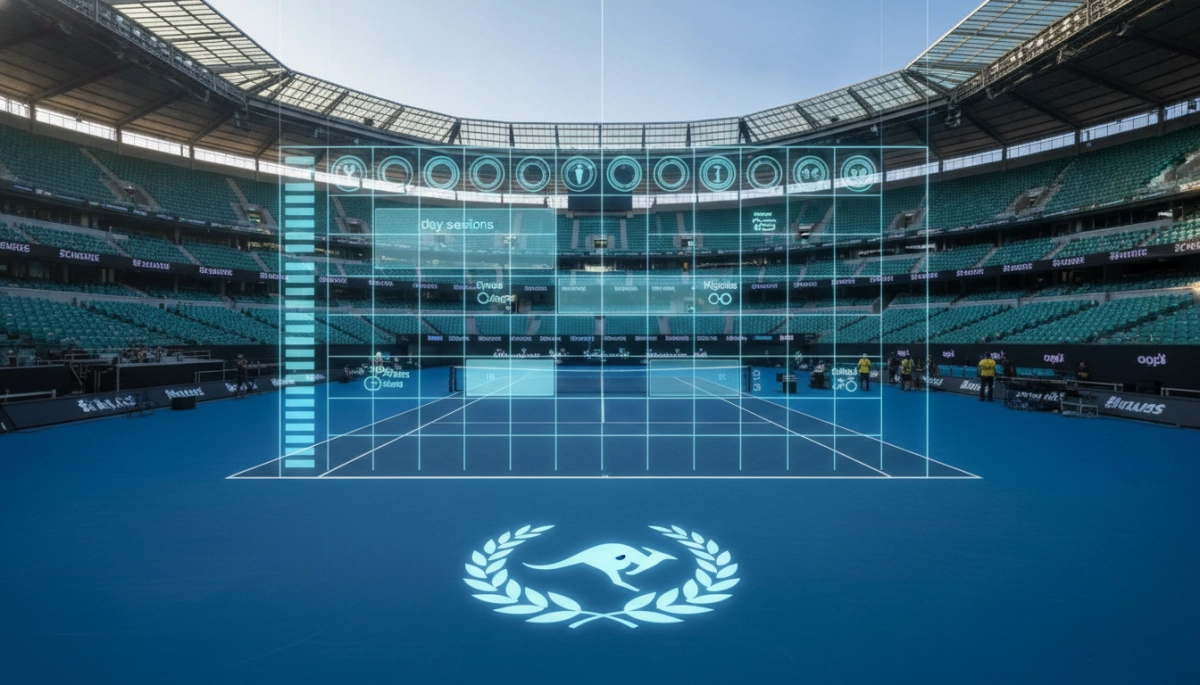
Your quick guide to the Australian Open 2026 daily timetable
You’re planning how to watch or attend the Australian Open 2026, and the schedule is the starting point. This article breaks down the day-by-day timetable so you can map out match priorities, plan travel between venues, and catch the biggest singles and doubles ties. The tournament runs across two weeks, with court allocations and session times that shift as rounds progress — knowing the pattern early saves time and ensures you don’t miss the matches you care about.
How session blocks typically shape each day
Each day at Melbourne Park is built around sessions and court tiers. You’ll find consistent patterns that make it easy to predict when marquee matches will appear. For the first week, expect multiple simultaneous matches across show courts and outer courts; during the second week, play consolidates on the main stadiums.
- Morning-to-afternoon sessions: Usually begin mid-morning and run through the early afternoon. These sessions often feature early-round matches and doubles.
- Afternoon-to-evening sessions: Start in the late afternoon and extend into prime-time evening. High-profile singles and night-session matches are commonly scheduled here.
- Show courts vs outer courts: Rod Laver Arena, John Cain Arena and Kia Arena host the headline matches (and night sessions), while the courts in the grounds host stacked panels of early-round action.
What to expect during the opening days and early rounds
During Days 1–4 you’ll see the draw being thinned rapidly: most seeded players complete their opening matches and numerous qualifiers and lower-ranked entrants compete across multiple courts. If you’re attending, you’ll benefit from arriving early to secure seats at outer courts where you can watch several matches back-to-back. If you’re watching remotely, prime-time sessions typically include the highest-profile matches and the best commentary coverage.
- Match density is highest in the first four days — dozens of matches per day across all courts.
- Expect more doubles and mixed-doubles scheduling to be concentrated in the early window.
- Weather interruptions (rare but possible) can push afternoon matches into evening sessions; keep an eye on official updates.
You’ll also want to note ticket types and session passes if you plan to attend multiple days: session tickets usually cover a block of matches on a given court, while ground passes let you move around outer courts freely. With that context in mind, the next section will present the full day-by-day match timetable for Days 1–7 with approximate start times, court allocations, and top matches to watch.
Days 1–2: Opening round — packed sessions and where the big names usually play
These first two days are the busiest: the full 128-player singles draws begin and every court on the grounds is stacked. Expect overlapping matches across show courts and outer courts, with many headline seeds scheduled in the late-afternoon and night sessions.
Typical timing and court allocation:
– Grounds open: ~10:00am. Outer-court play launches around 11:00am and runs continuously through the afternoon.
– Day session (show courts): ~11:00am–6:30pm. Rod Laver, John Cain and Kia each host multiple day-session matches.
– Night session (when scheduled): ~7:00pm–11:00pm on a show court (Rod Laver commonly hosts the main night match; John Cain/Kia share other prime-time slots on alternate nights).
What to watch:
– Seeds and headline names are usually sprinkled across both days, with a concentration of top-16 seeds in the evening sessions. If you want to see multiple big names, book a ground pass for daytime and a ticket for one night session.
– Doubles and mixed-doubles often begin being slotted into outer courts or between singles on show courts — a good chance to spot specialists and future stars.
– Upsets are common early on. Keep an eye on returning Grand Slam champions, rising teenagers, and qualifiers — these matches frequently deliver the tournament’s early headlines.
Practical tip: arrive early on Days 1–2 if you want front-row access to outer courts; also check the official mobile app for late changes if weather or delays occur.
Days 3–4: Second round — sessions tighten and TV coverage expands
With the field halved, scheduling tightens and the tournament begins to favour the main stadiums. Expect longer matches, fewer overlapping marquee slots, and more televised coverage late into the evening.
Typical timing and court allocation:
– Outer-court play still begins ~11:00am but with fewer simultaneous high-profile matches.
– Show-court day session: ~11:00am–6:30pm. Second-round marquee matches are often placed mid-afternoon on Rod Laver.
– Prime-time: ~6:30pm–11:00pm. Night sessions become more consistent across the big arenas, with more evening singles under lights.
What to watch:
– Second-round tests often reveal which seeds are vulnerable; pick sessions that include one show-court match and several outer-court ties for the best variety.
– Look for players with contrasting styles — serve-and-volley vs baseline grinders — as these tactical matchups tend to occupy the bigger courts and make for compelling viewing.
– Coverage increases: broadcasters usually add extra court channels and highlight packages, so remote viewers can follow a broader slate of matches.
Practical tip: if you’re attending a day session, consider timing your departure so you can catch an evening show-court match without losing your seat — many fans migrate from outer courts to stadiums as the day progresses.
Days 5–7: Third round to the start of the fourth — consolidation and must-see matchups
From Day 5 onward the draw really compresses. Seeds left standing are generally established names, and scheduling concentrates the biggest matches on Rod Laver, John Cain and Kia arenas.
Typical timing and court allocation:
– Day sessions continue to start ~11:00am but with fewer simultaneous high-profile matches on outer courts.
– Evening sessions can begin earlier to accommodate longer best-of-three matches and broadcast windows; prime-time stretches ~6:00pm–11:00pm on main courts.
– By Day 7, many doubles matches are interwoven between singles, and show courts host back-to-back headline matches more frequently.
What to watch:
– Third-round ties often feature top-32 seeds and blockbuster showdowns; if you want to catch a potential future quarter-finalist, target Rod Laver’s mid-afternoon or evening slots.
– As the competition intensifies, expect more five-set marathons (men) and high-stakes three-set battles (women), so allow buffer time when planning to attend or watch.
– Keep an eye on local favorites and young breakout players — mid-tournament momentum often starts here and can shape the rest of the fortnight.
Practical tip: ticket availability for evening sessions tightens after Day 5. If your priority is a specific player or court, lock in tickets early or monitor resale platforms for last-minute options.
Final tips to make the most of your Australian Open experience
Whether you’re attending in Melbourne or following from home, a little planning goes a long way. Check match times and court assignments regularly, allow extra time for travel and security, and be flexible — schedules can shift. For official ticketing, live updates and the most up-to-date match timetable, visit the Australian Open official website.
Practical checklist
- Download the tournament app and enable notifications for schedule changes and court reassignments.
- Bring a refillable water bottle, sun protection and a portable phone charger if you’ll be on the grounds all day.
- Book transport and accommodation early; consider public transit or rideshares to avoid parking delays.
- Have a backup plan for matches you might miss due to weather or extended play — follow live scores or watch alternate court streams.
- For last-minute tickets, use official resale platforms or verified vendors to avoid scams.
- Respect stadium rules and player zones to ensure a safe, enjoyable experience for everyone.
Enjoy the fortnight
Above all, soak up the atmosphere. The Australian Open is as much about the on-court drama as it is about the energy around Melbourne Park — from breakout performances to memorable night sessions. Plan smart, stay informed, and enjoy the tennis.