What to expect at Melbourne Park during the Australian Open
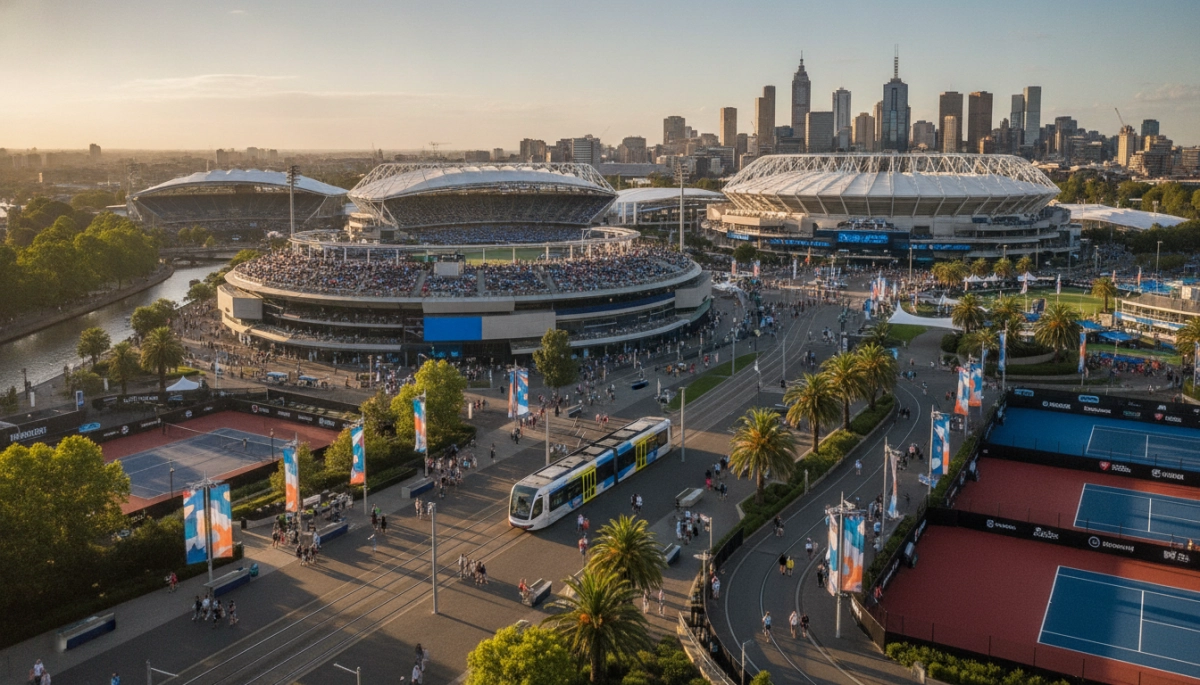
The Australian Open is one of the biggest weeks on the tennis calendar, and Melbourne Park becomes a hive of courts, crowds and colour. You’ll find several show courts, dozens of outer courts, fan zones, food precincts and transport hubs tightly integrated around the venue. Knowing the layout and timing will make your days smoother — whether you want a front-row match on Rod Laver Arena or a casual day watching rising stars on the outer courts.
Plan for hot weather, long walking distances and security checks. Sessions run morning and evening, and scheduling can change when matches run long. Bring a small, approved bag, a refillable water bottle (subject to security limits), sunscreen and layered clothing for cooler evenings. Aim to arrive early to secure good vantage points and to allow time for entry screening.
Choose the right stadium and seating for your match day
Overview of the main show courts
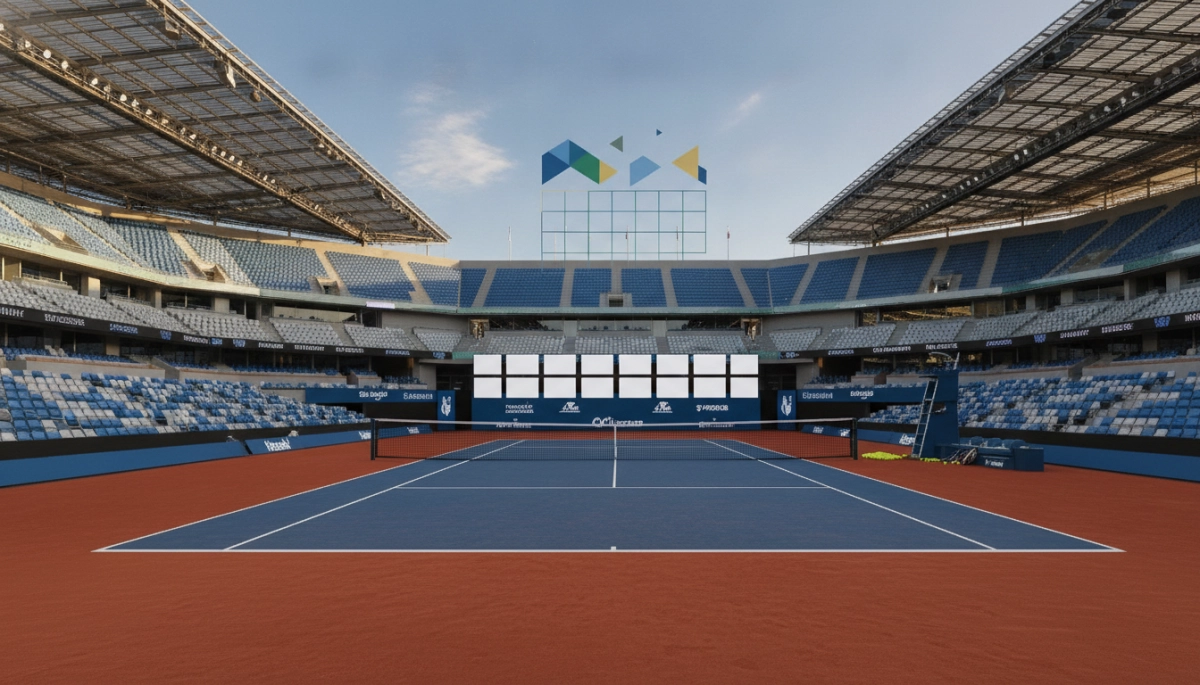
Melbourne Park’s three primary stadiums each offer a different experience:
- Rod Laver Arena — The flagship court with a retractable roof and premium sightlines; best for headline matches and big crowds. Expect higher ticket prices and a lively atmosphere.
- John Cain Arena — Intimate and versatile, with good acoustics for day and night sessions; seats are closer to the action than in larger stadiums.
- Margaret Court Arena — Recently upgraded with a roof; it’s a solid choice for high-quality mid-card matches and easier entry than the flagship arena.
Seating tips to improve your experience
- Lower bowl seats give the best proximity but may have a steeper angle; if you prefer an overview, choose mid-level rows.
- Check the stadium seating map before you buy — some seats have restricted sightlines near camera positions or roof supports.
- If you want to move between courts, buy a ground pass to access outer courts and fan zones; prime sessions often sell out early.
- For families or accessibility needs, look for designated seating areas and early-entry options.
Getting to Melbourne Park: transport, entry and first steps on match day
Best transport options and timing
Public transport is usually the fastest way to reach Melbourne Park. Trains to Flinders Street Station and Richmond Station connect with trams that stop at the venue. During the Open, extra tram and train services operate — check the event timetable and plan for staggered departures to avoid peak crush. If you prefer driving, allow extra time for traffic and use official drop-off or park-and-ride sites; nearby parking is limited and can sell out.
Arrival, security and accessibility basics
- Arrive at least 45–60 minutes before your session to clear security and find your gate.
- Follow the official bag and prohibited items list — clear bags and small daypacks are often recommended.
- If you require accessible entry, apply for accessibility services in advance and use designated entrance points for quicker access.
With stadium choices and transport covered, the next section will walk you through ticket types, session planning, and smart on-site services to maximize your Australian Open days.
Ticket types, session planning and tracking matches
Choosing the right ticket and organising your day will save time and stress. Tickets at the Open generally fall into three buckets: reserved-seat stadium tickets (Rod Laver, John Cain, Margaret Court), ground passes for access to outer courts and fan precincts, and premium/hospitality packages that include extras like lounges or skip-the-line entry. Sessions are sold as day or night sessions, and multi-day passes are available for those staying longer.
- Buy early for headline sessions and compare seat maps — prices and sightlines vary significantly across rows and sections.
- Ground passes are excellent value if you want flexibility to hop between courts, discover emerging players and enjoy the festival atmosphere.
- Consider a session split: arrive for the start of a day session to see warm-ups and early matches, then move to the fan zone or grab food before prime evening matches.
Match scheduling is fluid during the first two weeks; expect changeovers when matches overrun. Use the official Australian Open app or website to follow live order-of-play updates, push notifications about court changes, and live scores. If you’re planning to follow a specific player, track their likely court and session and arrive early to avoid missing key moments. For ticket transfers or resale, stick to the tournament’s authorised resale channels to avoid scams — e-tickets are commonly used and can be transferred through the official platform.
Food, drink and on-site services to know before you go
Melbourne Park’s food precincts cater to quick bites and sit-down meals, with a stronger focus on local vendors and diverse options than in years past. Expect everything from fast street food to healthier choices and vegetarian, vegan or gluten-free options.
- Most outlets are cashless during the event — bring a contactless card or ensure your phone wallet works. Small food stalls may accept cash, but card is quicker.
- Water refill stations are usually available; bring a reusable bottle but check the size limits and security rules before packing it.
- For families and anyone needing a break, look for dedicated parent rooms, first aid stations and quiet spaces; these are signposted on venue maps and the app.
- Merchandise stores sell official gear but can have long queues during peak times; consider shopping early in the day or using click-and-collect if offered.
Know where services like ATMs, phone charging stations, lost and found and the information kiosk are located — it’ll save detours during a tight schedule. Security and entry rules also affect what you can bring in, so review the prohibited items list beforehand.
Making the most of outer courts, practice courts and fan activations
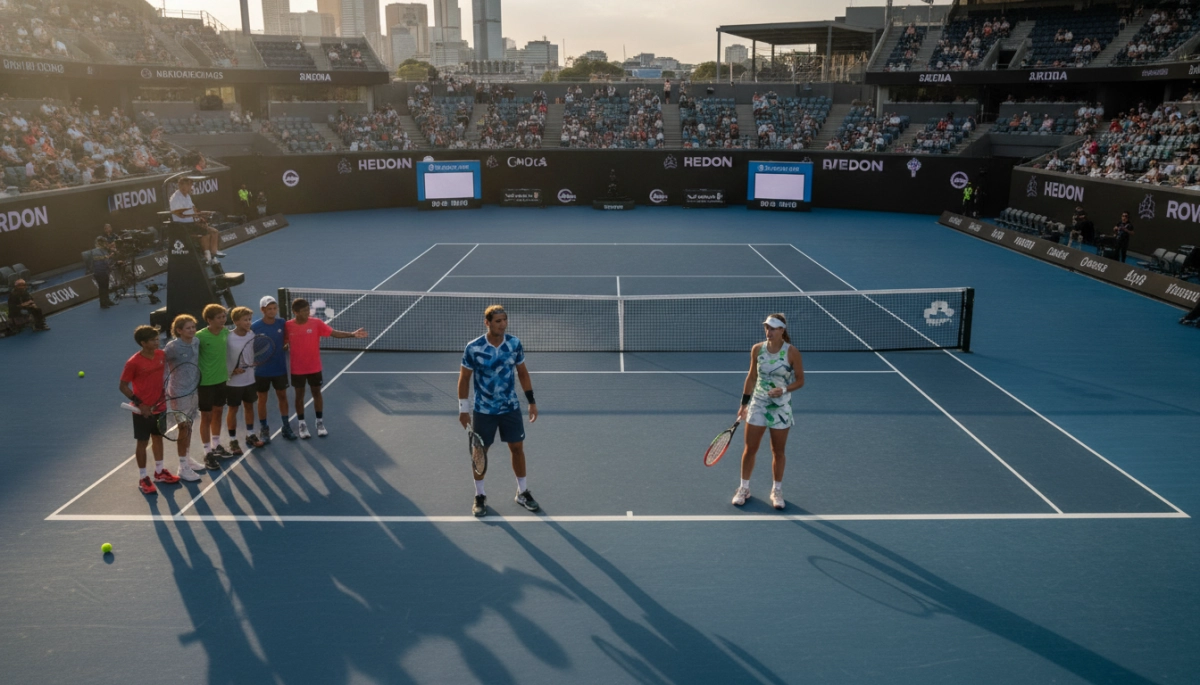
The outer courts are where you’ll catch rising talent, late-breakthrough performances and a more relaxed viewing vibe. Practice courts are great for seeing players up close; check practice schedules and arrive early for better vantage points.
- Outer courts are first-come, first-served — start your day on a popular court if you want a front-row experience without premium ticket prices.
- Autograph and photo opportunities often appear around practice sessions; be courteous, patient, and mindful of players’ time and security zones.
- Fan activations and sponsor zones offer interactive games, giveaways and clinics — these are ideal for families or if you need a break between matches.
- Respect etiquette: keep noise to a minimum near practice courts, switch phones to silent during matches, and avoid flash photography when players are on court. Check the official camera policy if you plan to bring larger equipment.
Spending time on the outer courts and in fan zones can turn a single-ticket day into a full festival experience — plan a loose route between the big matches and the hidden gems to get the most out of Melbourne Park.
Final notes for match day
Keep things simple: plan ahead but stay flexible, allow extra time for security and crowd flows, and prioritise the moments you most want to see. Melbourne Park rewards patience and curiosity — a relaxed approach will help you enjoy high-profile matches and unexpected highlights alike. For the latest order of play, ticketing updates and venue notices, check the official Australian Open website.
Quick reminders
- Arrive 45–60 minutes before your session to clear security and find your gate.
- Bring only approved bags, a charged phone, contactless payment and any necessary medication or accessibility aids.
- Dress for heat and possible cooler evenings; comfortable shoes are essential for walking between courts.
- Use public transport where possible — it’s usually faster and avoids parking stress.
- Respect player and spectator etiquette: keep noise down during play, follow photography rules and be courteous in practice areas.
- Have a fallback plan for food or court changes (the app and venue staff can help if schedules shift).
- Most importantly, enjoy the atmosphere — soak up the on-court drama, fan activations and the unique festival vibe of the Australian Open.