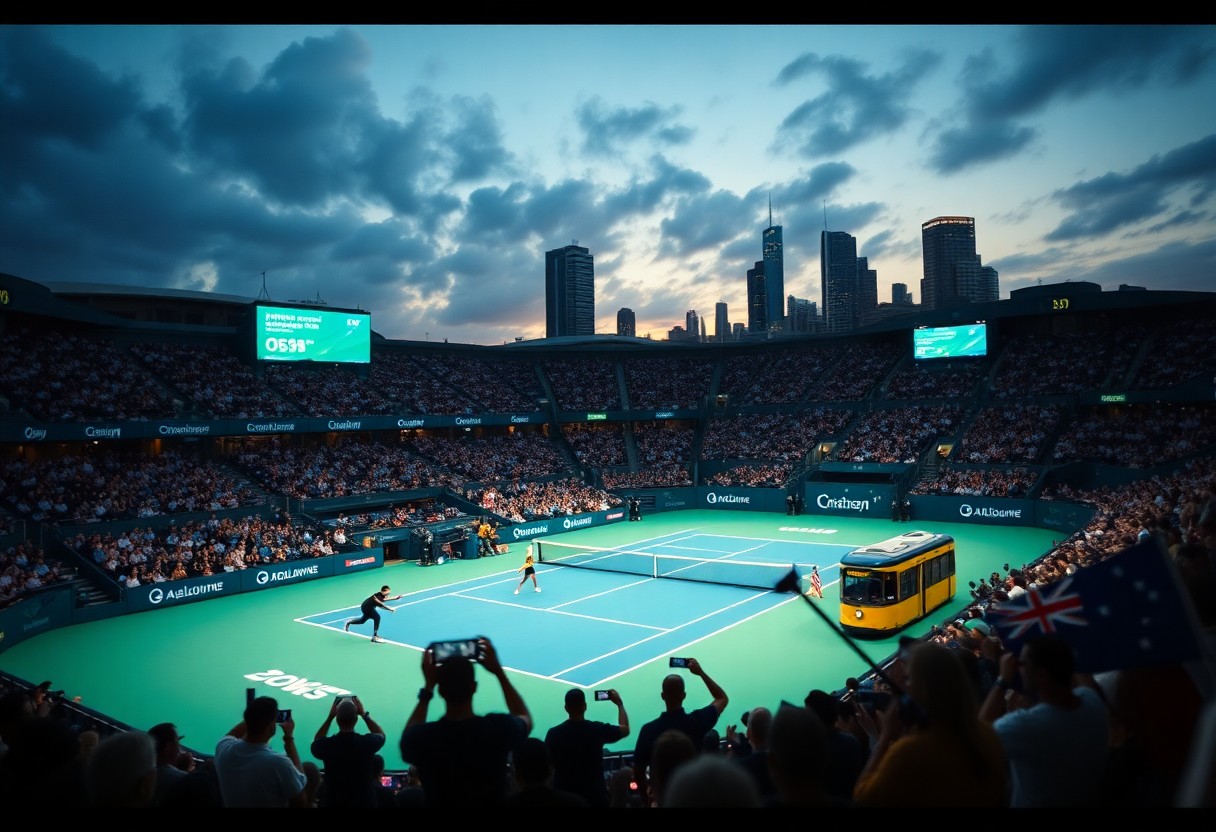
Australian fans and visitors should plan ahead for a fast-paced fortnight of tennis; this guide explains ticketing and travel planning, venue entry with security screenings, and how to navigate packed stands. Be aware of the extreme heat policy and the need for hydration and sun protection, while enjoying the electric atmosphere, diverse food stalls, multiple courts, and staggered schedules to maximize matches seen.
Types of Tickets
Options span from General Admission ground passes to premium Reserved Seating and hospitality, with day-ticket prices commonly between $30-$250 and evening show-court sessions often exceeding 12,000 spectators. Expect fast sell-outs for top-10 player matches and queues of 200-500 before gates open; bring sunscreen for midday sessions and plan transit ahead. The Reserved Seating tickets give guaranteed seat numbers on specific courts.
| General Admission | Ground access, unassigned seating, typical price $30-$60, best for early rounds and flexibility |
| Reserved Seating | Numbered seats in show courts, price bands $80-$250, priority entry and precise sightlines |
| Ground Pass / GA+ | Access to outside courts and food precincts, sometimes limited re-entry, budget-friendly for multiple matches |
| Premium Packages | Includes premium seats, official merch or dining, prices vary widely from $300+ per day |
| Hospitality & Suites | All-inclusive catering, private access, dedicated entrances, often sold as corporate bundles |
- Advance purchase secures best rows for big-name matches
- Evening sessions are pricier and sell out faster
- GA is great value but means standing or first-come seating
- Hospitality offers comfort and skip-the-line benefits
General Admission
General Admission grants precinct access and non-reserved viewing on outside courts, with many early-session tickets from $30; lines form 60-90 minutes before gates and peak days can see queues of several hundred. Bring a hat and refillable water-Melbourne heat can push temps above 35°C-and use public transport since parking fills early.
Reserved Seating
Reserved Seating provides a numbered seat in venues like Rod Laver Arena, ticket maps label sections and rows, and price bands typically range from $80-$250 depending on proximity to the baseline and center court; late buyers often end up in upper tiers with restricted views. Electronic tickets are scanned at turnstiles for entry verification.
Further details: accessible seating blocks are available with online filters, resale through the tournament platform preserves face-value transfers, and many reserved seats come with clear sightline data-for example, lower-tier Row D in Section 2 typically puts you within 20-30 metres of court action, while upper-tier rows trade proximity for cheaper pricing and broader court perspective.
Tips for First-Time Visitors
Get to know venue layout, with three main arenas and dozens of courts across Melbourne Park; queues form early, so arrive 60-90 minutes before prime sessions. Pack layered clothing for Melbourne’s variable January weather; wear sun protection and plan for sudden showers. Plan food and restroom breaks-lines at the concourse peak between set changes. Use the event app for match alerts and tram updates. After allow extra 30-45 minutes for exit due to post-session crowds.
- Australian Open
- Melbourne Park
- tickets
- sun protection
- public transport
What to Pack
SPF50+ sunscreen, a wide-brim hat and UV-blocking sunglasses are non-negotiable given January UV levels; carry a refillable water bottle (500-750 ml) and a 10,000 mAh power bank. Comfortable shoes, a lightweight waterproof layer and a small clear bag speed security checks. Bring printed or digital tickets and a compact picnic blanket for ground seating on outer courts.
Transportation Options
Trains to Richmond and Jolimont are fastest from Southern Cross or Flinders Street-journeys often under 10 minutes; trams along Swanston and La Trobe streets drop you near the main gates with services every 5-15 minutes during sessions. Event shuttles and SkyBus connect from the airport to Southern Cross; avoid driving-on-site parking is limited and often costs $40+.
Pre-load a Myki card before arrival to avoid ticket queues; top-ups are available online and at stations. Expect trams every 5-10 minutes and plan 30-45 minutes for post-session dispersal; police often manage crowd flows at Richmond with extra services added after 9pm. For airport transfers, SkyBus runs frequently with journey times of about 25-30 minutes to Southern Cross, then a short train or tram to Melbourne Park.
Step-by-Step Guide to Attending
Plan to arrive with your session ticket ready on your phone and allow extra time: day sessions commonly begin around 11:00am and night sessions near 7:00pm. Expect security screening windows of 10-30 minutes at peak times and lively crowds around Rod Laver Arena (capacity ~14,820). Use the AO app for court schedules, bring a small bag, and budget time for food queues and walking between arenas-many transfers take about 5-15 minutes.
| Step | Detail |
|---|---|
| Before you go | Confirm session type (day/night), charge phone, download the AO app, pack sunscreen and a small bag. |
| Transport | Allow 15-30 minutes from Flinders Street Station on foot; public transport and tram stops serve Melbourne Park. |
| Entry | Have mobile ticket and photo ID ready; expect bag checks and metal detectors-plan 10-30 minute queues. |
| During session | Use the app for court times, know re-entry rules, and anticipate 10-25 minute food or toilet queues between matches. |
| Exiting | Follow signage and staff directions; peak exits can bottleneck, so allow extra time if catching trains or trams. |
Arrival at the Venue
Arrive at least 45-60 minutes before day sessions and up to 90 minutes for big night sessions to clear security and find seats. Present your mobile ticket and ID at entry, have a compact bag for faster checks, and expect staff-directed queuing; during peak matches security screening can add 10-30 minutes. If you need accessible entry or special assistance, contact AO guest services in advance for designated entry points.
Navigating the Grounds
Use the AO app map to move between Rod Laver, John Cain and Margaret Court arenas-walking times are typically 5-15 minutes depending on crowd levels. Follow on-site signage and shaded concourses, note that food outlets and toilets are concentrated near main arenas, and identify the nearest first aid tent on arrival. Staff and volunteers can direct you to seating, accessible ramps, and player walk routes.
Plan your court order: arrive early to catch warm-ups or a specific player, and expect queues of 10-25 minutes for popular food stalls and merchandise. Allow extra time for crowded crosswalks after headline matches-staff often open alternate routes to ease flow-and keep an eye on the app for sudden court changes or scheduling updates.
Factors to Consider
When planning your Australian Open visit focus on practical details that shape the Melbourne fan experience: venue access, session type, and how weather or match overruns affect timing. Expect queues for food and toilets during session changes, limited parking near Rod Laver, and a tight security screening at all gates. Knowing how these elements interact will let you pick the right tickets, arrival time and cooling or sun-protection strategy.
- Weather Conditions
- Match Schedules
- Ticketing & Seating
- Transport & Parking
- Food & Drink
- Practice Courts & Player Access
- Accessibility & Security
- Nearby Events & Crowds
Weather Conditions
Melbourne summers are volatile: temperatures can occasionally exceed 40°C and storms can bring sudden downpours. The tournament’s Extreme Heat Policy may suspend play on uncovered courts, while the three main arenas-Rod Laver, John Cain and Margaret Court-have retractable roofs to keep marquee matches running. Pack sun protection, a refillable bottle for hydration points and a lightweight rain jacket for swift shelter.
Match Schedules
Sessions run across 14 days with typical daytime starts around 11:00 and night sessions near 19:00 AEDT; the nightly order of play is posted each evening (usually around 8pm). Men play best-of-five sets and can exceed three hours, while women’s matches are best-of-three, often shorter-both factors make scheduling fluid and overruns common on show courts.
Ground-pass holders have access to dozens of outer courts but not main-arena reserved seating, so check the order of play via the official app and arrive early for stadium entry and warm-ups. High-profile matches are prioritized on Rod Laver and John Cain, but times can shift if earlier matches run long, so plan buffer time for transport and post-match exits.
Pros and Cons of Attending Live
| Pros | Cons |
|---|---|
| Up‑close match drama and player reactions | Higher ticket prices for prime seats |
| Electric crowd energy, especially on match point | Long queues for entry, food and restrooms |
| Access to practice courts and fan zones | Limited seating-popular sessions sell out fast |
| Photo and autograph opportunities | Weather exposure: heat or sudden rain |
| Wide variety of food vendors and pop‑up experiences | Event food and drinks are noticeably expensive |
| Festival vibe with entertainment between matches | Security checks and bag restrictions slow entry |
| Chance to spot international players and celebrities | Large crowds make moving between courts difficult |
| Unique live technologies and fan activations | Potential obstructed views in cheaper seats |
Unique Atmosphere
Inside Melbourne Park the crowd turns small moments into headlines: the roar at a match point, stadium chants and impromptu stand‑ups during tiebreaks create an electric, communal energy TV can’t replicate; two‑week attendance is around 800,000 spectators, and night sessions add music, lights and a festival feel that often attracts international tourists and local die‑hards alike.
Potential Costs
Budget for tickets ranging roughly from AU$40-AU$400+ for single sessions, with centre‑court and premium seats toward the top end; food typically runs AU$8-AU$25 per item and drinks about AU$10-AU$16, while hotel rates in the city can double or triple during the fortnight.
For a realistic daily spend, expect to allocate about AU$80-AU$200 per person for a session including transport, a meal and a drink; single‑session ground passes or day tickets offer the best value, whereas Rod Laver or semi‑final seats can exceed AU$300-AU$400. Book through official ticketing channels, consider multi‑day packages for savings, and book accommodation months ahead to avoid steep last‑minute surges.
Local Attractions
Nearby precincts put culture and leisure within easy reach: Federation Square often hosts fan zones and live screenings during the Open, the National Gallery of Victoria’s main collection is free (special exhibitions charge), and the Royal Botanic Gardens provide shaded walking loops for 30-90 minutes. Southbank’s riverside dining and Crown Entertainment complex sit a short tram ride away, while the MCG offers guided tours and the National Sports Museum for sports-history fans.
Dining Options
Street food at Queen Victoria Market, laneway cafes on Degraves Street and Chinatown, plus Southbank riverside restaurants cover every taste; Lygon Street in Carlton is the go-to for Italian. Many venues fill during evening sessions-book ahead where possible-and peak waits can reach 20-40 minutes. Most places accept card and mobile pay, and food trucks around Melbourne Park add quick, affordable options between matches.
Sightseeing Opportunities
Take a 30-60 minute stroll along the Yarra to see Southbank, the Crown complex and river views, or head to the Eureka Skydeck on the 88th floor for panoramic city vistas. The MCG runs regular guided tours and the National Sports Museum, while Docklands’ Melbourne Star offers a slow rotation with skyline views-all a short tram or rideshare from Melbourne Park.
MCG tours typically last around 75 minutes and include player areas and the stands; book online to avoid sold-out slots. Royal Botanic Gardens walking trails range from 30-90 minutes depending on route, and NGV major exhibitions often require timed tickets. Evening Yarra dinner cruises run about 90 minutes; check schedules in advance, as tournament nights frequently see capacity limits and earlier sell-outs.
To wrap up
With this in mind, fans should prepare for dynamic scheduling, varied weather, large crowds and strict entry checks; plan transport and tickets in advance, use public transit, arrive early, consult the daily order of play, and take advantage of fan zones and onsite services to maximise enjoyment and safety at Melbourne’s biggest sporting event.
FAQ
Q: What should I know about tickets, entry and seating?
A: Bring your e-ticket or printed ticket and a valid photo ID if your ticket is name-registered; many tickets are scanned from phones so ensure battery is charged. Allow extra time for security screening and bag checks at venue entrances – queues form before popular sessions. Seating is allocated by ticket category (reserved, ground, or general admission); arrive early for general-admission venues to secure a good spot. If you have special seating needs (accessible or companion seating), confirm details with the official ticketing service ahead of time and arrive at the dedicated entry points. Check the official Australian Open site or your ticket confirmation for any day-specific entry rules or wristband/hand-stamp re-entry policies.
Q: What should I bring and how should I dress for Melbourne’s changeable conditions and the tournament’s heat policy?
A: Melbourne weather can shift rapidly – pack lightweight layers, a hat, sunglasses and sunscreen for hot sun, plus a compact rain jacket for sudden showers. Closed-toe comfortable shoes are recommended for walking and standing. There is an extreme-heat policy that can alter match schedules and move play indoors or under roofs; courts 1, 2 and Rod Laver have retractable roofs and may be used during heat or storms. Hydrate frequently; water refill stations are usually available and vendors sell bottled drinks. Bring only permitted items: small clear bags or compact backpacks are best, as oversized bags may be refused or subject to lengthy inspection. Check the tournament’s official prohibited items list before you pack.
Q: How do I get to and around Melbourne Park, and what fan services and experiences can I expect?
A: Public transport (trains, trams and buses) is the most efficient way to reach Melbourne Park – allow extra travel time for peak arrival and departure windows, and follow signage or staff directions for pedestrian flows. There are multiple food and drink outlets, from quick snacks to full meals, plus official merchandise stores and interactive fan zones with sponsor activations and live screens. Cashless and card payments are widely used. If you hope to see players up close, check the official schedule for autograph sessions, practice court times and player walkways; access is limited and often requires early arrival or specific tickets. Accessibility services, baby-changing facilities and first-aid stations are available – consult the venue map and app for locations and live updates.