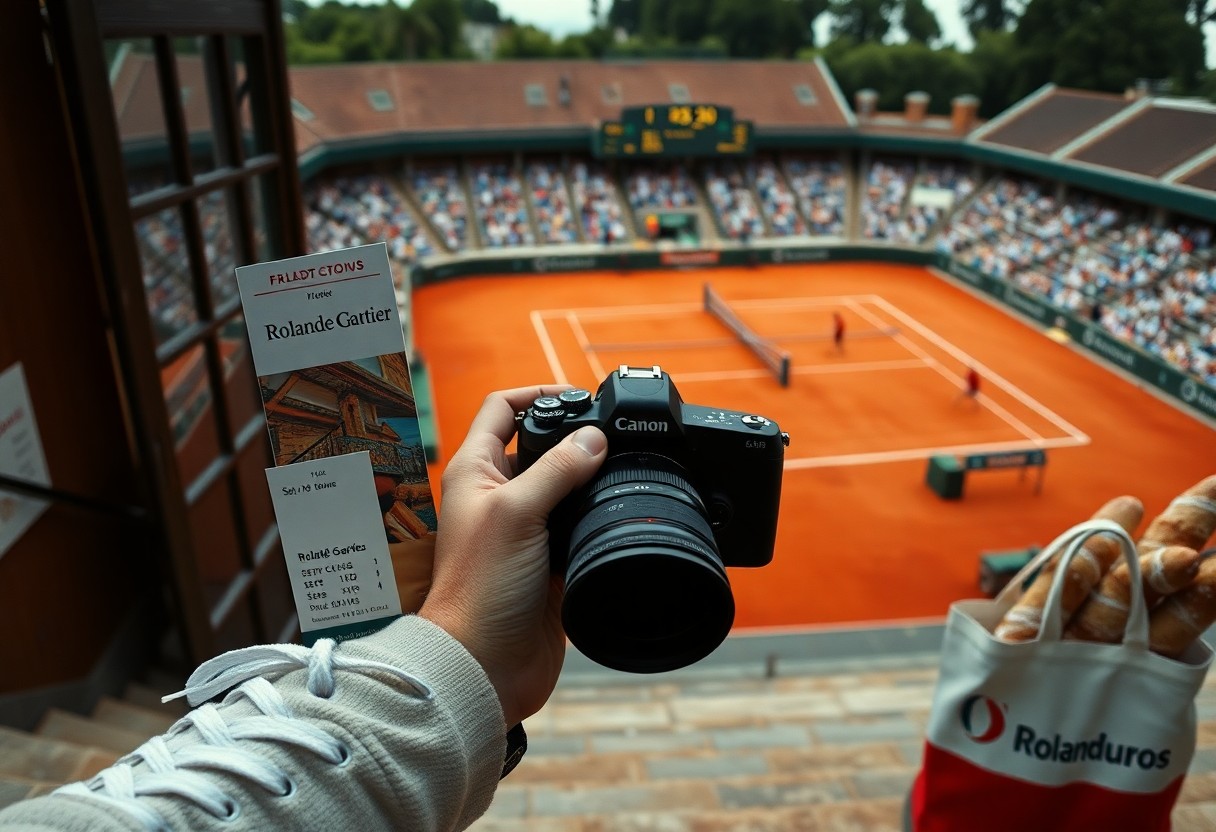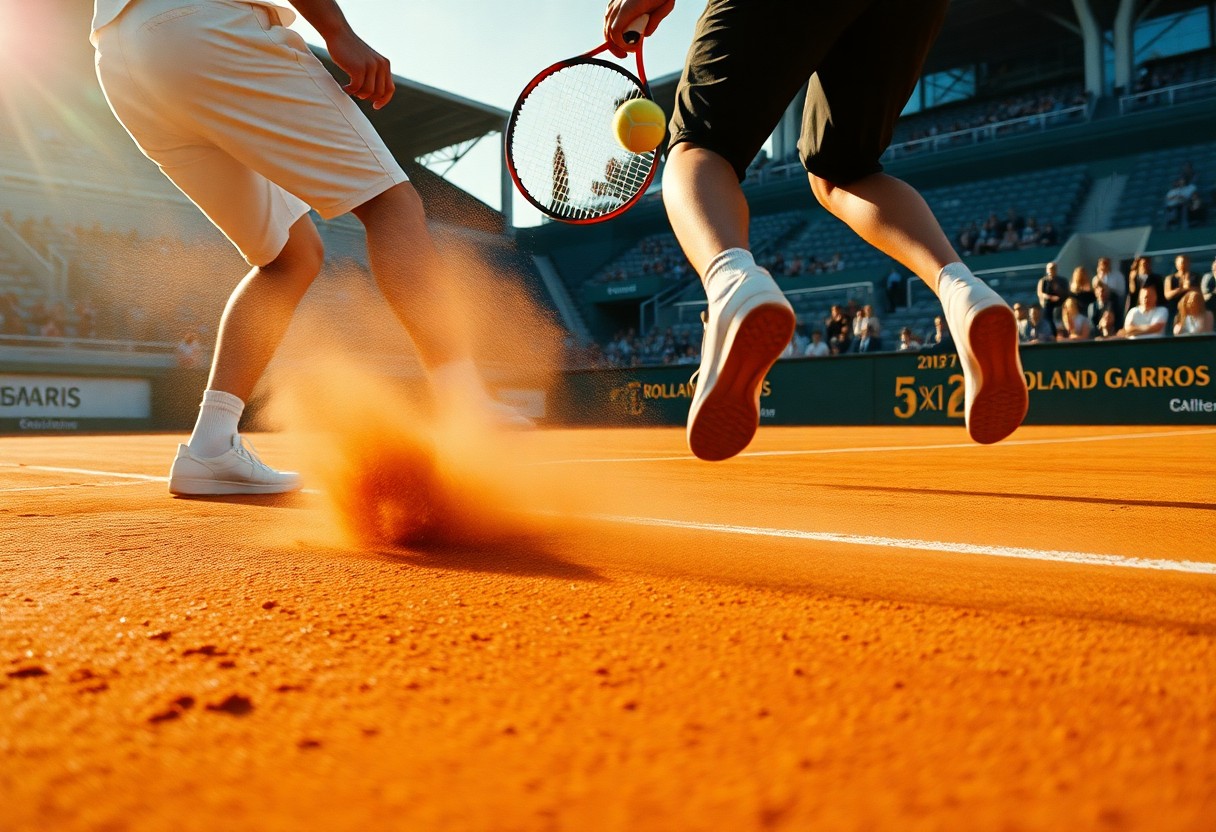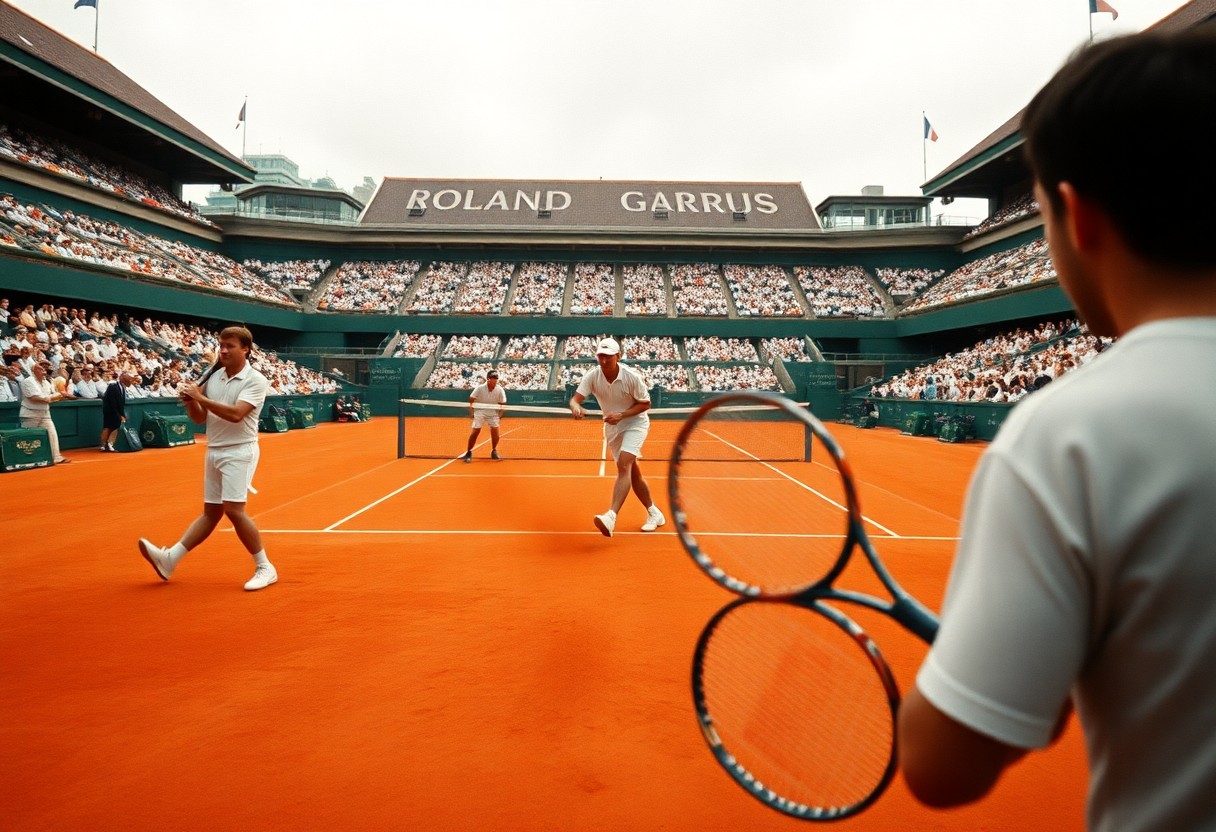
Clay courts transformed tennis at Roland Garros, where the slower, high-bouncing surface reshaped strategy, equipment and training, favoring heavy topspin and extended baseline rallies. It rewarded tactical mastery and endurance, producing iconic clay specialists and forcing all-court players to adapt, while imposing heightened risk of slips and joint strain that changed conditioning and footwear. This guide examines how rule, tactical and technological shifts at Roland Garros permanently influenced playing styles and the modern game.
The Types of Clay Courts
| Type | Characteristic |
| Red clay | Crushed brick surface used at Roland Garros; emphasizes heavy topspin and extended rallies. |
| Green clay | Har-Tru crushed metabasalt; plays faster than red, common in U.S. clubs and tournaments. |
| Hybrid/treated clay | Mixed layers or stabilizers to improve drainage and consistency; used for multi-purpose venues. |
| Artificial/indoor clay | Man-made substrates for indoor clay-like play with controlled moisture and less wear. |
- clay courts
- Roland Garros
- red clay
- green clay
- Har-Tru
Red Clay
Often layered with crushed brick, red clay slows ball speed and increases topspin effectiveness; matches at Roland Garros average longer rallies and more break points than hard-court events, favoring heavy-spin baseliners like Rafael Nadal. Courts demand adapted footwork and controlled sliding, and the abrasive surface can increase shoe wear and occasional ankle strain during extended five-set encounters.
Green Clay
Green clay (commonly branded Har-Tru) uses crushed metabasalt and typically plays faster than European red clay while still allowing sliding; it’s prominent on the U.S. swing-Charleston and many club circuits-blending baseline rallies with earlier approach opportunities and slightly lower maintenance than red brick courts.
Maintenance differences matter: green clay drains and dries more quickly, demands less frequent heavy watering, and its coarser grains reduce long-term shoe abrasion; tournament organizers value consistent bounce and quicker turnaround between matches. Thou adapt timing and footwork within a few matches when switching surfaces to avoid timing errors and reduce injury risk.
Key Factors in Clay Court Performance
Sliding technique, point construction and surface reading separate winners on clay; players rely on sustained depth, heavy topspin and superior recovery to win long exchanges. Matches at Roland Garros routinely feature rallies that often exceed 10 shots, so endurance and tactical patience matter more than raw serve speed. Coaches emphasize balance between offense and defense, while injuries from repetitive sliding raise the value of smart movement and footwork.
- Movement – controlled sliding, quick recovery and low center of gravity.
- Spin – heavy topspin to push opponents back and generate a high, biting bounce.
- Endurance – sustain long rallies; many clay matches last over three hours.
- Tactics – patient point construction, angles, drops and kick serves.
- Any Adaptability – adjust shot selection and footwork as moisture and court wear alter speed.
Court Surface and Conditions
Roland Garros’ red clay is a thin layer of crushed brick over hard-packed subsoil, creating more friction and a slower, higher-bouncing game; when damp the court becomes heavier and rallies lengthen, while dry, fast dusted surfaces reward sharper angles. Grounds crews often water courts to maintain consistency between sessions, and track wear in later rounds changes footing and ball behavior, forcing tactical shifts mid-tournament.
Player’s Skills and Style
Successful clay players combine heavy topspin, precise depth and elite sliding to control patterns; Rafael Nadal’s lefty forehand and relentless court coverage (14 Roland Garros titles) exemplify converting defense into offense, while counterpunchers use patience and angles to exploit short balls. Strong point construction and the ability to finish points from awkward positions define the best clay specialists.
Digging deeper, training on clay emphasizes low, repeated split-steps, muscle endurance and ankle stability to tolerate constant sliding; coaches work on generating >10-15% more topspin than on faster surfaces to exploit the higher bounce. Tactical drills focus on creating angles, neutralizing pace with depth, and practicing the kick serve to open the court, while medical teams monitor overuse risks-especially knees and hips-from extended sliding and long three-hour matches.
Step-by-Step Guide to Adapting to Clay Courts
| Focus | Quick Actions |
|---|---|
| Adjusting Footwork | Practice controlled slides, 2-4 short adjustment steps, lower center of gravity, and balance drills to handle slippery surfaces. |
| Modifying Shots and Strategies | Increase topspin, use kick serves, shorten backswings in wind, build points over 3-6 shots, and mix drop shots with angled passing plays. |
Adjusting Footwork
Adopt a lower center of gravity and master controlled slides to navigate slippery clay; use 2-4 short shuffle steps into contact, then commit to a slide that ends with racket-ready recovery. Emulate Rafael Nadal’s pattern of sliding wide then recovering inside the baseline-practice cone-to-cone lateral slides and 10-15 meter progressive-acceleration drills to reduce falls and improve offensive positioning on damp or worn courts.
Modifying Shots and Strategies
Favor heavy topspin and higher net clearance to exploit clay’s bounce, and employ a kick serve to generate short returns; shorten backswings in wind and prioritize crosscourt construction to move opponents laterally. Rafael Nadal’s use of high-bouncing forehands to push opponents behind the baseline illustrates how to build openings, while occasional flat winners or drop shots punish deep or slow footwork.
Construct points typically over 3-6 shots: start with deep topspin to the backhand, then open the court with an inside-out forehand or a deep slice to create a short ball. Use the kick serve to the ad court to produce a third-shot opportunity-players like Dominic Thiem and Nadal often finish the point after creating lateral displacement. Avoid hitting too flat on clay since it raises unforced errors; prioritize spin and margin, especially on damp surfaces.
Tips for Success on Clay Courts
- Sliding: master low, controlled slides to recover and create angles; practice repeated slides after each stroke to maintain balance.
- Topspin: heavy topspin pushes opponents back and produces high-bouncing balls that open the court for short-ball opportunities.
- Point construction: construct rallies with depth and lateral movement-use crosscourt depth to drag defenders wide before finishing down the line.
- Footwork: prioritize small adjustment steps, timely split-steps and weight transfer to handle clay’s soft, variable bounces.
- Assume that endurance and tactical patience determine outcomes in 3+ hour matches-build fitness and a gameplan for long exchanges.
Importance of Patience
Patience on clay means deliberately extending rallies-10-15 shot exchanges are common-so you can force errors or extract a short ball; Rafael Nadal’s Roland Garros success (14 titles) exemplifies grinding with heavy topspin and waiting for the decisive opportunity. Patience favors consistent depth, selective aggression, and fewer unforced mistakes when opponents tire.
Building Endurance
Endurance training blends aerobic base work with repeated high-intensity efforts: schedule 2-3 weekly on-court sessions of 90-150 minutes, add interval runs and 30-45 minute strength sessions, and run match-simulation drills to replicate clay’s long points. Emphasize interval training and match-simulation to prepare for multi-hour contests.
Implement targeted drills such as 6-8 slide-sprint repeats (15-20 m) with 30-45s rest, interval blocks like 4×4 minutes of sustained rallying with 1-minute rests, and 1-2 weekly long sessions of 90-120 minutes; use gradual periodization and monitor recovery to avoid overtraining, which reduces performance and increases injury risk.
Pros and Cons of Clay Court Tennis
| Pros | Cons |
|---|---|
| Slower pace lengthens rallies, favoring tactical play and heavy topspin | Matches often run longer, increasing fatigue and recovery demands |
| High bounce rewards heavy topspin-one reason Rafael Nadal has 14 Roland Garros titles | Sliding technique needed; improper slides raise risk of muscle strains |
| Surface is softer, which can reduce impact on joints compared with hard courts | Reduced effectiveness of big serves; fewer aces and more breaks |
| Promotes development of endurance, point construction and defence | Greater physical wear from long rallies leads to higher cumulative load |
| Rewards patience and variety-different tactical profiles succeed here | Transition from hard-court season can cause adaptation injuries if rushed |
| Benefits baseline grinders and spin-heavy shotmakers | Court maintenance is intensive-daily watering and grooming required |
| Encourages sliding skills that improve court coverage on low shots | Slower points may be less appealing to spectators favoring fast, short points |
| Often extends career longevity for players who manage load and technique | Specific wear patterns on shoes and increased demand for specialized footwear |
Advantages of Playing on Clay
Clay magnifies topspin and point construction, rewarding players who craft rallies; technical examples include longer baseline exchanges and kick serves that push opponents back. Historical patterns show specialists like Rafael Nadal, Gustavo Kuerten and Björn Borg dominating because clay rewards endurance and spin. Courts reduce hard-impact forces, so players who load mileage smartly can gain a performance edge while developing superior defensive and tactical skills.
Disadvantages and Challenges
Clay demands refined sliding technique and greater aerobic resilience, so players face more prolonged exertion during the April-June European clay swing; matches commonly exceed two to three hours. Adaptation errors when switching from hard courts increase incidence of hamstring and groin strains, and the surface penalizes serve-reliant styles by lowering ace counts and boosting return games.
Maintenance and equipment factors add complexity: Roland Garros’ red brick clay requires daily watering and rolling to keep pace consistent, and players need specialized outsoles to grip while sliding. Medical teams report a higher share of soft-tissue strains during clay season, so periodized load management, targeted eccentric hamstring work and progressive sliding drills are important to mitigate injury risk.
The Impact of Roland Garros on Clay Court Tennis
Roland Garros reshaped global clay play by elevating tactical patience, slide techniques, and surface-specific training; its red dirt forced baseline construction, inspiring players and academies-Spain’s academies and South American circuits-to prioritize long rallies and topspin. Rafael Nadal’s 14 Roland Garros titles became a benchmark, and broadcasters began tracking longer rally lengths and higher break rates, making clay a distinct specialist domain with both strategic depth and a greater physical toll on bodies.
Evolution of the Tournament
Opened to international players in 1925 and moved to Stade Roland Garros in 1928, the event modernized steadily: the primary showcourt, Philippe-Chatrier, received a retractable roof in 2020, and the Simonne-Mathieu court debuted in 2019. Draws standardized at 128 singles, prize money and global TV coverage grew, and scheduling tweaks around the clay swing cemented Roland Garros as the defining clay championship.
Influence on Player Preparation and Strategies
Players now arrive for Roland Garros with specialized plans: many spend two to three weeks on red clay before the tournament, emphasizing topspin-heavy forehands, slide footwork, and point construction to open angles and exploit opponents’ positioning; coaches prioritize endurance training to handle consistently longer rallies and the higher break-of-serve frequency that clay produces.
Training specifics include extended rally drills, slide-recovery repetitions, and tactical pattern work focused on crosscourt depth and drop shots; equipment choices-shoes with a herringbone tread and spin-oriented string setups-are refined, while sports scientists layer interval conditioning and recovery protocols to address the increased lower-body stress from repeated sliding and marathon matches.
Summing up
Hence Roland Garros transformed clay-court tennis by codifying slower, higher-bounce play that elevated topspin, sliding technique, endurance training, and strategic patience; its prestige and innovations compelled players and coaches worldwide to adapt tactics, equipment, and conditioning, making clay a defining laboratory for shot-making, court craft, and the modern game’s physical and technical evolution.
FAQ
Q: How did clay courts emerge and what role did Roland Garros play in the evolution of clay court tennis?
A: Clay courts originated in 19th-century Europe as a cheaper, lower-maintenance alternative to grass; crushed brick and other porous materials produced a slower, higher-bouncing surface that encouraged longer rallies and baseline play. Roland Garros, established as France’s national championship and later a Grand Slam venue, standardized the red clay aesthetic and tournament procedures, raising the surface’s international profile. The tournament’s prestige pushed players, coaches and national federations to study clay-specific tactics and conditioning, which turned clay into a distinct discipline within professional tennis rather than just a seasonal anomaly.
Q: In what ways did Roland Garros influence playing styles, tactics and player development on clay?
A: Roland Garros emphasized patience, point construction and heavy topspin, prompting players to develop longer rallies, extreme topspin forehands and improved defensive skills to slide and recover efficiently. Coaches adapted training to build aerobic endurance, lateral agility and clay-specific footwork, while technical work shifted toward higher racket-head speed and contact point adjustments to exploit the slow, high-bouncing surface. As a result, a generation of specialists emerged who could control tempo, retrieve effectively and construct points with angles and depth rather than relying mainly on serve power.
Q: How did Roland Garros affect equipment, court maintenance and the global tennis calendar?
A: The tournament accelerated innovations in footwear (grippier soles and support suited to sliding), string choices and racket setups favoring spin and control; players often lower string tension and choose grippy strings for clay to enhance bite and heavy topspin. Roland Garros also reinforced standards for red clay composition and maintenance-watering, rolling and line care-to ensure predictable bounce, and it anchored the spring clay-court swing, shaping scheduling of lead-up events across Europe and Latin America. The result is a distinct clay season with specialized tournaments, player preparation cycles and strategic planning on how to transition between surfaces during the year.