There’s no better single resource for Roland Garros; this guide delivers authoritative insights on clay-court tactics, the tournament’s storied history and practical ticketing and scheduling tips, plus warnings about slippery clay and weather delays that affect play. You’ll learn match-day logistics, player preparation, and how to soak in the legendary atmosphere so you arrive informed and ready for the French Open.
Types of Competitions
Roland Garros runs multiple formats simultaneously: Grand Slam-level singles (men’s and women’s 128-player draws), doubles (typically 64-team draws) and mixed doubles, alongside juniors and wheelchair events. Qualifying rounds produce around 16 qualifiers into main singles draws and seeding is usually 32 in singles and 16 in doubles. Clay extends rallies and rewards heavy topspin and endurance. This organization affects scheduling, recovery strategies and match tactics.
- Singles
- Doubles
- Mixed Doubles
- Junior Events
- Wheelchair
| Men’s Singles | 128 players; best-of-five sets; 32 seeds; example: Rafael Nadal 14 French Open titles. |
| Women’s Singles | 128 players; best-of-three sets; 32 seeds; heavy-topspin specialists excel on clay. |
| Men’s Doubles | 64 teams; best-of-three sets; 16 seeds; long-term pairs like the Bryans show partnership value. |
| Women’s Doubles | 64 teams; best-of-three sets; 16 seeds; net play and angles dominate point construction. |
| Mixed Doubles | 32 teams; best-of-three sets; compact draw with distinct tactical dynamics. |
Singles Events
Singles involve 128-player draws per gender with 32 seeds, usually including about 16 qualifiers and several wildcards; men play best-of-five sets while women play best-of-three. Clay favors heavy-topspin baseline players and extended rallies, so match durations in later rounds frequently top three hours. Case in point: Rafael Nadal’s dominance (a record 14 titles) shows how surface mastery and stamina translate into repeat success.
Doubles Events
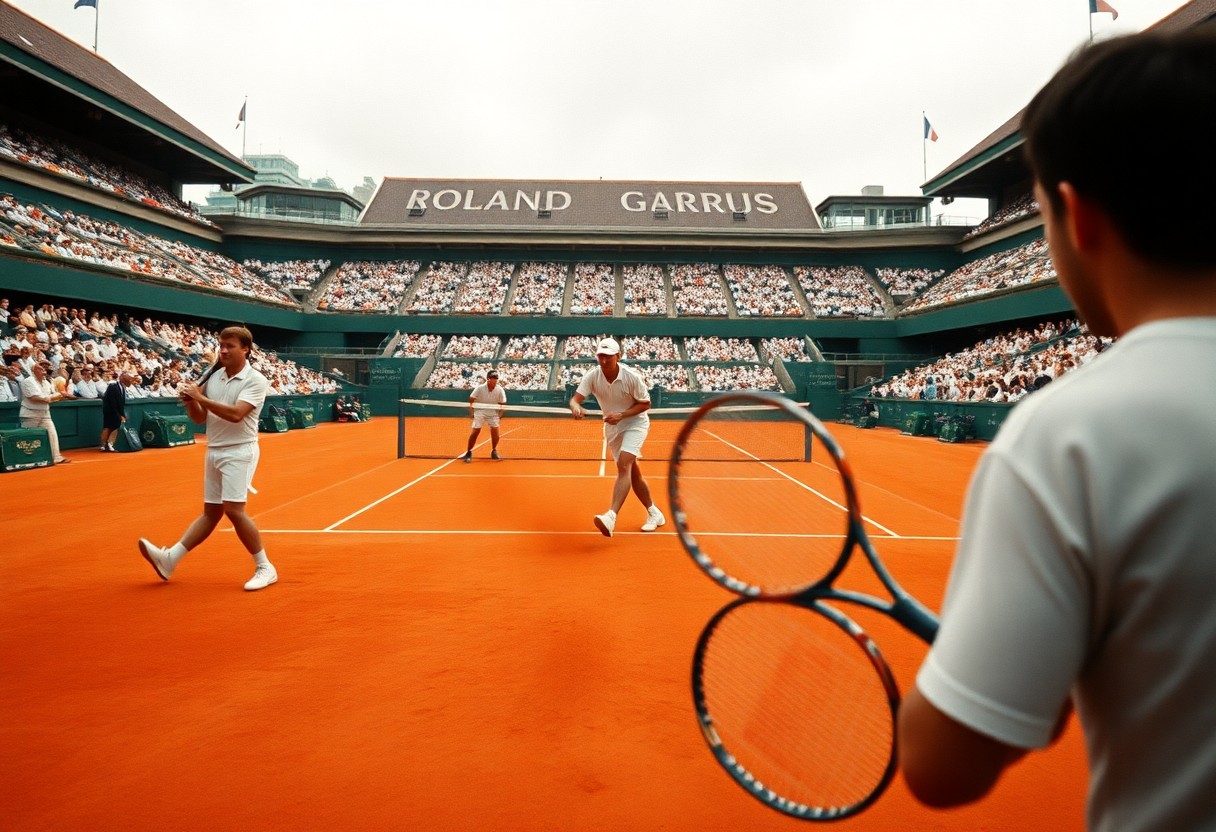
Doubles draws are typically 64 teams (mixed at 32), with matches best-of-three sets and seeding around 16; teamwork, serve placement and synchronized net movement determine outcomes. Specialist partnerships often persist across seasons-examples like the Bryans (16 Grand Slam doubles titles) highlight the payoff of stable pairings. Breaks of serve are less frequent, so tactical returns and poaching become decisive.
Doubles on clay demands modified tactics because the slower surface reduces pure serve dominance; teams construct points with angled returns, tactical lobs and coordinated net coverage. Effective pairs pair a strong server with an agile net player, and later-round matches commonly last 90-120 minutes. Coaches stress communication, planned formations and split-second poaching to convert the limited break opportunities into match-winning moments.
Tips for Attending Roland Garros
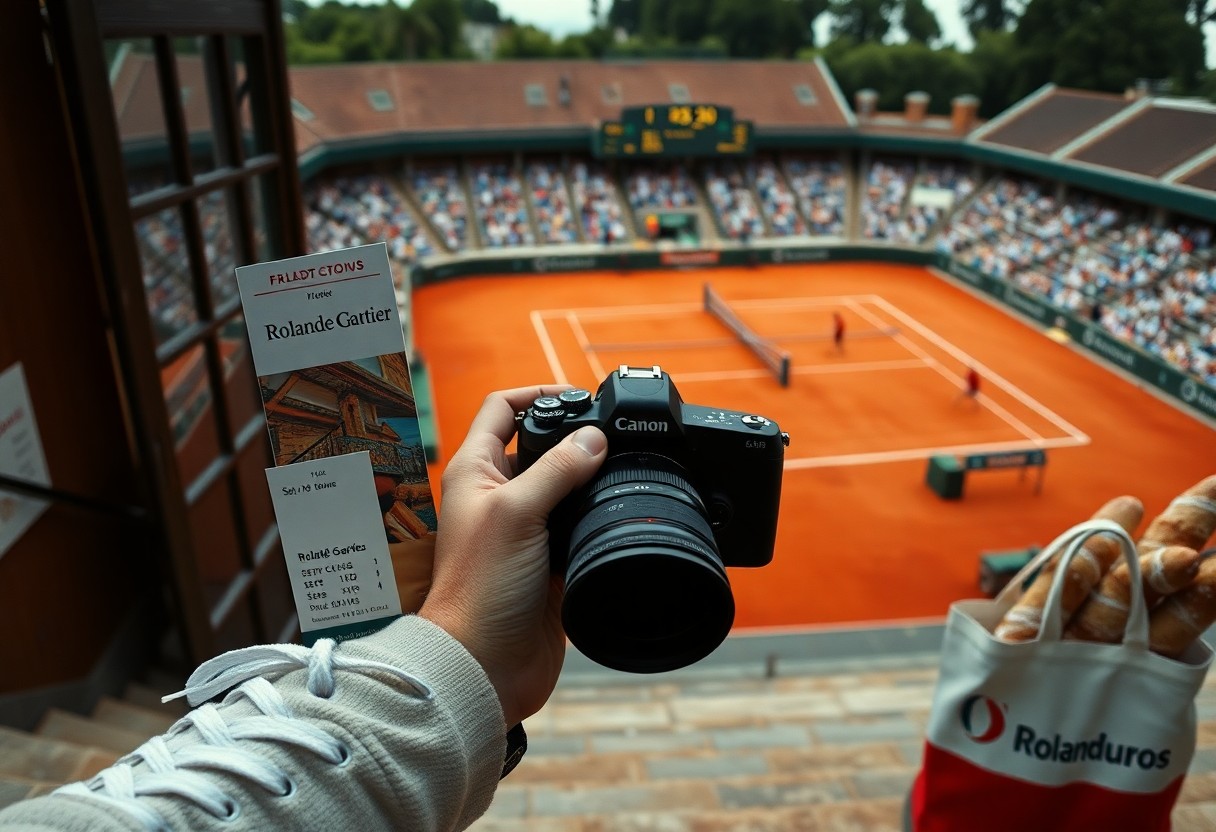
Buy tickets early-day sessions can sell out-and arrive 45-60 minutes before play to clear security and catch warmups. Expect Court Philippe-Chatrier to hold ~15,225 spectators and follow the stadium’s A4-size bag policy at checkpoints; the Chatrier roof reduces rain delays but schedules still shift. Use Metro or buses to avoid long parking queues and pack sunscreen, a change of clothes, and clay-ready shoes to handle slip risks. Recognizing that the clay surface produces higher bounces and longer rallies, plan footwear and timing accordingly.
- Tickets
- Bag policy
- Clay courts
- Security checks
- Transport
Preparing for Your Visit
Book via the official site and keep e-tickets handy; morning/day sessions differ in match density while night sessions often showcase top seeds. Arrive 45-60 minutes early for security and bag checks, use public transport to save time, and expect contactless-only kiosks. Pack an A4-sized bag, clay-appropriate shoes that will stain, sunscreen, and a small towel; hydration stations are available inside the grounds.
Stadium Etiquette
Be silent during points, avoid flash photography, and set phones to silent-announcements and ushers actively enforce these rules. Applaud between points, stand only between games, and follow seating directions; crossing aisles during play is prohibited. Respect players’ concentration and the broadcast feed to avoid warnings or removal for disruptive behavior.
Security enforces a strict list of prohibited items: glass containers, oversized bags, and drones are banned, and attempts to access the court result in immediate ejection and possible legal action. Ushers can relocate patrons for safety or viewing reasons, concessions are cashless-friendly, and persistent noise or photography infractions are recorded and acted upon to protect players and the event.
Step-by-Step Guide to Buying Tickets
| Step | What to do |
|---|---|
| 1. Pick dates & courts | Consult the session calendar (late May-early June), choose from Philippe‑Chatrier (~15,000), Suzanne‑Lenglen (~10,000) or Simonne‑Mathieu (~5,000). |
| 2. Select ticket type | Compare grounds (€25+), reserved seats (€30-€300+), and hospitality packages (≈€500+ per day). |
| 3. Buy safely | Use ticket.rolandgarros.com, FFT presales or official hospitality; avoid unofficial resellers. |
| 4. Delivery & entry | Choose e‑tickets or official resale transfers; check ID and QR code entry rules before travel. |
Understanding Ticket Options
Courts are tiered by capacity and atmosphere: Philippe‑Chatrier hosts the marquee matches, Suzanne‑Lenglen is ideal for afternoon sessions, and Simonne‑Mathieu offers a more intimate setting. Ground tickets grant access to outer courts and the garden; prices typically start around €25, while Category 1 seats and hospitality packages push into the hundreds or higher for premium sessions.
Purchasing Process
Start by creating an account on ticket.rolandgarros.com and subscribe to FFT presales; public sales usually open in the months before the event. Select the exact session (morning/afternoon/evening), pick your seat category on the interactive map, complete checkout with a major card, then save the emailed e‑ticket or transfer code.
Expect high demand: early‑round popular sessions can sell out within hours and finals often resell above €1,000. Use secure networks and the official site to avoid fraud, prefer e‑ticket delivery to postal options, and verify transfer authenticity if buying via the FFT resale platform-entry staff scan a single QR code per ticket on arrival.
Factors Influencing Gameplay
Surface, climate and equipment combine to shape match patterns at Roland Garros: the slow clay amplifies topspin and extends rallies, while weather-temperature, humidity and rain-alters ball flight and footing. Player physiology and tactics matter too: endurance, sliding technique and point construction decide outcomes more than raw power. Coaches monitor ball type and string setup between sessions. Thou adapt by favoring heavy topspin, patient point-building and footwear optimized for slide.
- clay
- bounce
- sliding
- weather
- endurance
- topspin
Court Surface Characteristics
The Roland Garros clay slows pace compared with hard or grass courts and produces a higher bounce, rewarding heavy topspin and baseline construction; rallies commonly run beyond 6-8 shots. Sliding is a tactical asset but increases abrasion on footwear and lower limbs, so players prioritize balance, footwork drills and shoes with deeper treads-Rafael Nadal’s 14 French Open titles illustrate how spin and slide mastery translate to sustained success.
Weather Conditions
Late May-early June in Paris usually brings variable temps around 15-22°C and frequent rain, producing swings in court moisture and humidity that change ball speed and footing; damp clay reduces slide and slows play, while dry, sunny days make conditions faster and dustier. Wind modifies trajectory and magnifies spin, forcing immediate tactical adjustments.
Since the retractable roof on Court Philippe‑Chatrier was completed in 2020, organizers can finish marquee matches during showers, though outer courts still suffer delays; teams often switch to deeper‑tread shoes for grip in damp spells and adjust string selection or tension by about 1-3 lbs to compensate for heavier, wetter balls, while coaches reduce practice volume during sustained high humidity to protect player recovery.
Pros and Cons of Attending Roland Garros
| Pros | Cons |
|---|---|
| Atmosphere: electric, vocal crowds and on-court tension | Crowds: long lines, packed stands and noisy seating |
| Main court: Philippe-Chatrier holds ~15,225 for big matches | Limited seats: best courts sell out quickly, finals premium |
| Clay tennis: longer rallies showcase tactical play | Weather delays: rain can disrupt schedules despite the roof |
| Player access: practice courts let you see stars up close | Security: strict checks and bag rules slow entry |
| Ticket range: grounds passes from ~€20 to premium seats €300+ | Cost: travel, food and resale prices can escalate quickly |
| Food & culture: authentic French options on-site | Queues: concessions and restrooms often require 20-45 minute waits |
| Historic venue: iconic Grand Slam heritage and photo ops | Scheduling: day-to-night shifts can force long waits between matches |
| Variety: dozens of matches across 20+ courts per day | Access: primes courts restricted; long walks between sites |
| Memorable moments: potential to witness upsets and epics | Crowd behavior: boisterous fans can block views or disturb play |
| Photography: excellent visuals for social and reportage | Logistics: peak public transport and taxi delays before/after sessions |
Advantages of Live Attendance
You’ll experience intense, up-close drama-from practice courts to Philippe-Chatrier’s 15,225-seat roar-across the 15-day tournament, where around thousands of matches generate unique upsets and learning opportunities; networking with coaches, spotting tactical adjustments in person, and sampling Parisian food on-site add tangible value beyond TV coverage.
Disadvantages to Consider
Expect added costs (tickets, transport, food), unpredictable scheduling from rain even with the Chatrier roof, and lengthy queues at security and concessions-delays of 20-60 minutes are common during peak sessions, which can eat into match time and comfort.
Delving deeper, budget realistically: a single-day visit can run from about €20 (grounds) to €300+ (best seats), plus local travel and meals; plan for security lines that may add 30-45 minutes, and schedule gaps when match start times shift-historical rain-affected days have forced rescheduling of evening sessions. Bring layered clothing for sudden temperature swings, a portable charger (phones die fast during long days), and a clear meeting plan if attending with a group. If prime matches matter, prioritize booking in advance and consider midweek sessions to avoid the largest crowds.
Frequently Asked Questions
What to Expect at the Venue
Expect a classic clay-court experience: slower rallies, long slides and visible court wear that affects play. Security includes bag checks and metal detectors, so arrive early to pass through queues that can exceed 20 minutes on busy sessions. Food stalls and fan zones offer local fare and official merchandise; capacity on Philippe-Chatrier is about 15,000. The atmosphere intensifies during evening sessions when crowds pack tighter and chants rise.
- clay-court
- Philippe-Chatrier
- security checks
Travel and Accommodation Tips
Choose lodging in the 16th arrondissement for a 10-20 minute walk to the grounds and use Metro or buses to avoid congestion; anticipate booking hotels 3-6 months ahead for the best rates. Budget travelers can use short-term rentals but compare cancellation policies and transit time. The Metro plus a short walk is usually the fastest way from central Paris, especially during peak arrival windows.
- hotels
- public transport
- book early
Allow 45-60 minutes travel time from most central neighborhoods when factoring in security lines and pedestrian flow; apps like RATP or Citymapper show live disruptions and platform changes. Consider refundable rates or flexible bookings-some hotels raise prices sharply during the fortnight-and store bulky bags in station consigne lockers to move freely. The combination of early arrival, a nearby hotel and live transit apps cuts stress on match days.
- apps
- luggage lockers
- flexible bookings
Final Words
Presently, this guide consolidates Roland Garros history, clay-court tactics, player profiles, scheduling and travel tips into a single authoritative resource; use it to deepen your understanding of tournament dynamics, prepare for attendance or viewing, and appreciate tactical subtleties that define clay-court competition at the French Open.
FAQ
Q: What is Roland Garros and why is the French Open unique among Grand Slams?
A: Roland Garros is the French Open, one of tennis’s four Grand Slam tournaments held annually in Paris on outdoor red clay at Stade Roland-Garros. Founded in 1891 for domestic events and contested at the current site since 1928, it’s named after the World War I aviator Roland Garros. The clay surface produces a slower game and higher bounce than grass or hard courts, favoring heavy topspin, endurance, and tactical point construction. The tournament features men’s and women’s singles and doubles, mixed doubles, juniors and wheelchair events, and is known for iconic courts (Philippe-Chatrier, Suzanne-Lenglen) and variable weather that can affect scheduling.
Q: How do I buy tickets, choose seats, and plan logistics for attending Roland Garros?
A: Buy tickets from the official Roland Garros website or authorized resellers; avoid secondary-market scams. Decide between grounds passes (access to outer courts), single-session tickets for Philippe-Chatrier or Suzanne-Lenglen, or a full-day package. Best seats depend on preference: baseline seats offer action; club or box seating adds comfort and hospitality. Qualifying rounds and early main-draw sessions are more affordable; finals and late-session tickets are premium. Arrive early for security checks-metro (Porte d’Auteuil) and RER are fastest; plan for walking and standing. Pack weather-appropriate items (sun protection and a light rain jacket) and small cashless payment methods; cameras and large bags may be restricted. If traveling from abroad, secure accommodation well in advance and book public-transport passes for the stay.
Q: How does clay court play change match tactics and what should players and fans expect during matches?
A: Clay slows serves and rewards heavy topspin, patience and sliding movement; rallies tend to be longer and physical fitness matters more. Players often construct points with depth and angles, use kick serves to create short balls, and aim to move opponents off the court rather than relying on outright winners. Spectators can expect longer exchanges, momentum swings and more breaks of serve. Weather influences court speed-wet clay plays heavier and may cause delays while grounds crews adjust courts-and the tournament uses a 10-point final-set tiebreak at 6-6 in Grand Slam play under current regulations. Match formats: men’s singles best-of-five sets, women’s singles best-of-three. Fans should anticipate variable session lengths and plan accordingly for food, seating rotations and transport after late matches.