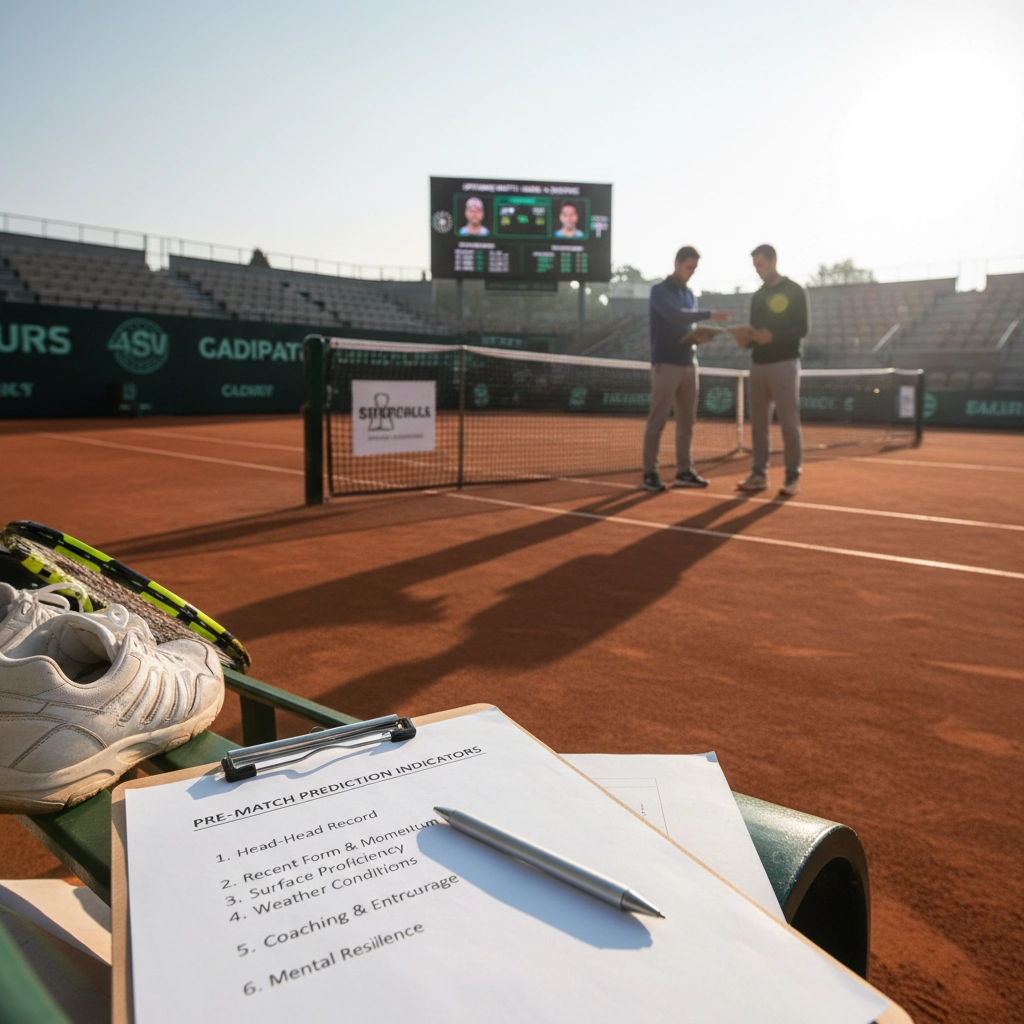
Why five-set matches demand a different betting strategy
Five-set matches are not just longer versions of best-of-three; they are a different contest physically, mentally, and tactically. When you bet on a five-set encounter you’re betting on sustained performance over hours, not just moments. That changes which statistics matter, how odds move, and where value appears.
As a bettor, you must shift your priorities from headline rankings and short-term form to durability indicators and match-specific variables. Things like match duration in recent rounds, history of long matches between the same players, on-court movement metrics, and how players recover between matches all directly affect the chances that a fixture will go the distance or swing late.
Understanding these differences helps you spot edges bookmakers may underprice—especially in pre-match markets and live in-play lines. Use five-set betting strategies to exploit mispriced favorites who lack endurance or long-shot opportunities where one player’s superior conditioning is underrated.
Rule 1 — Favor durability and recovery when sizing pre-match bets
Your first rule is simple: when the match can last three-plus hours, bet on the player who is more likely to stay effective late. That doesn’t always mean backing the higher-ranked player. You want the athlete with a combination of superior fitness, efficient point construction, and realistic recovery between rounds.
- Check recent match lengths: Look at how long each player’s previous matches lasted during the tournament and the last month. Players coming off multiple three- or five-set marathons are more likely to fade.
- Evaluate playing style: Aggressive big-serve players can close sets quickly, but grinders who force long rallies tend to win attritional five-setters. If both players are grinders, minute differences in conditioning matter more.
- Consider age and injury history: Younger players and those with no recent medical timeouts usually handle extended play better. A veteran with recurring niggles is riskier late in the match.
- Account for schedule and environment: Late-night finishes, high humidity, and back-to-back matches reduce stamina. If one player had an extra rest day or a shorter previous match, that’s a tangible edge.
- Use head-to-head and long-match record: Some players consistently win long matches against specific opponents. Patterns in five-set outcomes can highlight psychological resilience and tactical adaptability.
Practical checklist before you place a pre-match five-set bet: compare average match time over the last three months, note recent three/five-set matches, check for medical timeouts, and weigh surface and weather factors. Size your stake smaller when the durability edge is marginal; increase it when the indicators point clearly to one player’s superior endurance.
Having established why endurance matters and how to assess it, you’ll be ready to apply Rule 2 — reading momentum and live dynamics — which we’ll cover next.
Rule 2 — Read momentum and live dynamics to exploit in-play value
Five-set matches create the best in-play betting opportunities because endurance, momentum swings, and tactical adjustments reveal themselves over time. Your job live is to spot when the market lags behind what you see on court and to act before odds fully correct.
- Watch serving quality, not just aces: Many bettors fixate on ace counts. More important in five-setters is serve consistency — first-serve percentage, free points on serve, and return positioning. A server who starts missing first serves in set four is suddenly vulnerable to breaks, and bookmakers often delay repricing.
- Use break-point pressure as a momentum barometer: How a player handles critical points tells you about both nerves and fitness. Converting a high share of break points late is a sign of resilience; repeatedly losing tight games often precedes a collapse.
- Read physical cues: Shorter step length, slower recovery after points, and frequent towel or medical breaks are early fatigue indicators. Combine those with scoreboard context — a player still energetic at 2–2 in the fifth is a different proposition than one already showing physical fatigue at 1–1.
- Adjust for tactical shifts: Players and coaches often change patterns between sets — more slices, coming to the net, or targeting a weaker backhand. If you see a shift that will likely increase rally length and it favors the fitter player, that’s a live edge.
Markets to target in-play include set betting (next-set winner), total games (line moves when breaks accumulate), and match winner when one player visibly tires. Size bets opportunistically: smaller stakes early in the match, larger once momentum and fatigue signs are consistent. Consider partial hedges when a pre-match favorite looks likely to fade — locking some profit while keeping upside is often the optimal play in five-set contexts.
Rule 3 — Manage variance with disciplined stakes and selective markets
Five-set betting amplifies variance: swings are bigger, upsets happen later, and emotional attachment can ruin discipline. Rule 3 is about protecting your bankroll and maximizing long-term edge through precise staking and market selection.
- Reduce unit size for high-variance scenarios: When a match has many unknowns (recent injuries, extreme weather, conflicting styles), halve your typical stake. Conversely, increase size slightly only when multiple independent indicators (durability, momentum, matchup history) align.
- Prefer markets with clearer edges: Instead of betting match-winner at long-shot prices, consider handicaps or next-set markets where your read on momentum and conditioning translates to more reliable edges and lower variance.
- Use proportional hedging rules: If a live play swings heavily against you, set predetermined thresholds to hedge a portion — for example, lock in 30–50% profit when implied probability for a comeback drops below a chosen level. That discipline prevents tilt-driven catastrophic losses.
- Track outcomes and iterate: Keep a simple log of five-set bets with context (reason for bet, signals observed, stake). Over weeks you’ll learn which indicators predict outcomes most reliably and can tighten your criteria.
By combining in-play acuity with conservative staking and selective market choice, you reduce the emotional and statistical volatility inherent to five-set betting. With Rules 1–3 applied together you’ll shift from guessing to capitalizing — and that’s when long-term profits become achievable.
Putting the rules into practice
Start small, stay curious, and treat five-set betting as a skill you develop over time. Make a short pre-match checklist (durability, matchup quirks, recent long matches), watch a few matches live to train your read on momentum and physical cues, and keep a simple log to separate emotion from evidence. When you find an edge, exploit it with disciplined sizing and clear hedging thresholds — when you don’t, walk away.
If you want objective data to back your reads, combine your observations with public stats and match histories from a trusted source like Tennis Abstract. Above all, prioritize consistency: the bettor who applies these rules patiently and iterates based on recorded outcomes is the one who turns variance into a competitive advantage.
Frequently Asked Questions
How should I size my stakes for a five-set match compared to a typical match?
Reduce unit size when unknowns increase variance — recent injuries, extreme weather, or a clash of contrasting styles. Use smaller stakes in early rounds or tournaments where fatigue patterns are unclear; increase slightly only when multiple independent indicators align (e.g., clear fitness edge, favorable matchup history, consistent in-play momentum).
Which live indicators are most reliable for spotting a late-match collapse?
Prioritize serve consistency (first-serve percentage and free points), repeated failure on break points, and clear physical signs (shorter recovery, slower court movement, frequent medical or towel breaks). Tactical shifts that lengthen rallies also favor the fitter player. Combine several indicators rather than relying on any single sign.
When is hedging appropriate during a five-set match?
Hedge when the live market makes a strong move against your position and your original stake risk no longer fits your plan — for example, lock in 30–50% profit if the implied probability of a comeback drops below a predetermined threshold. Use proportional hedges to preserve bankroll and avoid tilt-driven decisions; set these rules before the match starts.