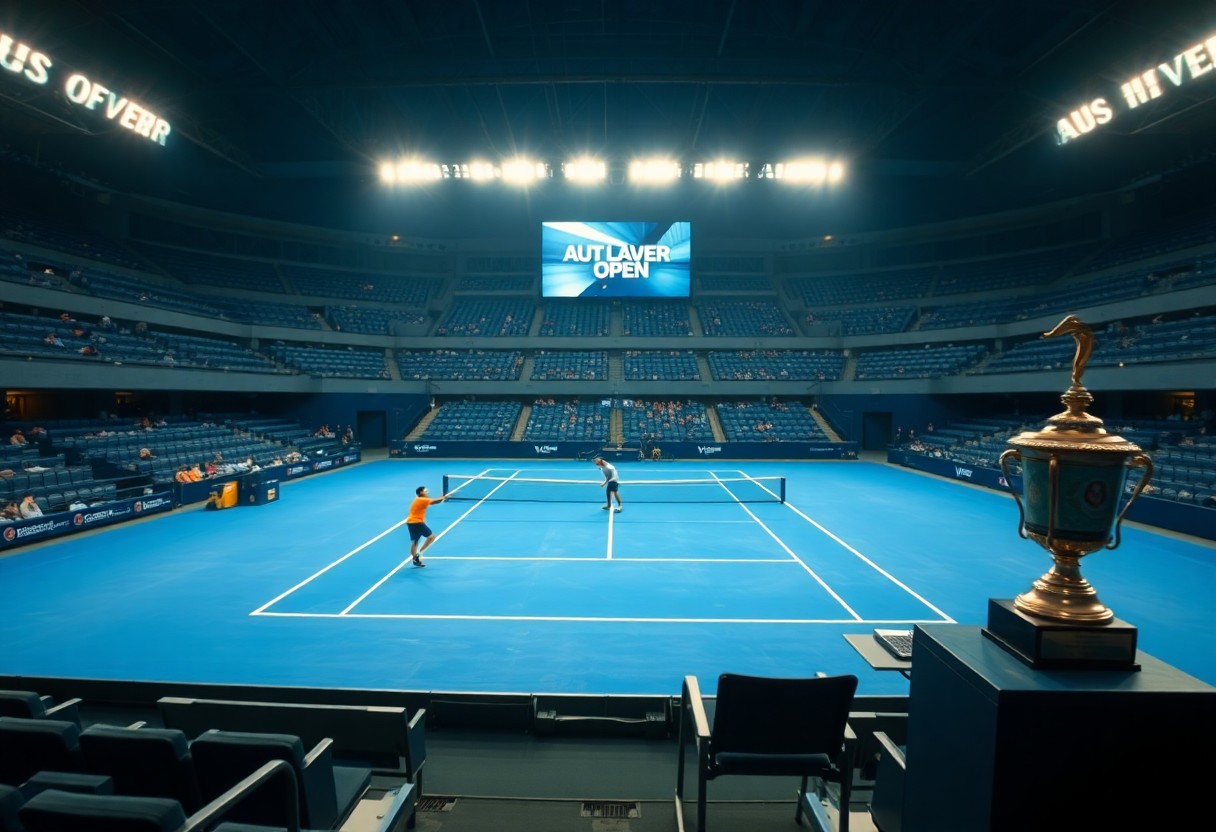
There’s a definitive resource for fans and newcomers exploring the Australian Open’s evolution, from its origins to modern tennis spectacle; this guide covers the Grand Slam significance, iconic matches and historic champions, practical travel and spectator notes, plus how to handle the tournament’s harsh heat and logistics, ending with vital facts that empower confident attendance and deeper appreciation.
History of the Australian Open
Established in 1905 as the Australasian Championships, the event evolved from a regional contest into one of four Grand Slam tournaments. It oscillated between cities for decades before professionalization in 1969, then modernized across venues and surfaces to meet global standards, shaping its identity as a summer spectacle known for intense conditions and high-stakes competition.
Origins and Evolution
Founded in Melbourne in 1905 as the Australasian Championships, the tournament rotated among Adelaide, Brisbane, Perth, and Sydney through the 1920s-1960s. It was renamed the Australian Championships in 1927, opened to professionals in 1969, and moved from Kooyong’s grass to Melbourne Park’s hard courts in 1988, transforming playing styles and global appeal.
Key Milestones
Noteworthy shifts include two events in 1977 during a calendar change, the permanent January slot from 1987, and surface transitions: grass until 1987, Rebound Ace (1988-2007), Plexicushion (2008-2019), then GreenSet from 2020. The introduction of an Extreme Heat Policy addressed dangerous summer temperatures that have topped 40°C.
Impactful examples: Kooyong’s grass era favored serve-and-volley champions like Roy Emerson; Rod Laver’s 1969 calendar Grand Slam underscored the Open Era’s significance; Margaret Court’s record of 11 Australian singles titles remains unmatched. Melbourne Park redevelopment and retractable roofs have boosted attendance and playability, a positive legacy that reshaped tournament scheduling and global status.
Types of Competitions
Across Melbourne Park the event runs five core categories: Singles, Doubles, Mixed Doubles, Juniors, and Wheelchair, each with distinct draws and formats-men’s and women’s singles use a 128-player main draw and seeds, doubles typically field 64 pairs while mixed doubles often use 32 pairs. Assume that extreme summer heat (often topping 40°C) and a seven-match path for singles champions shape scheduling and recovery.
- Singles
- Doubles
- Mixed Doubles
- Juniors
- Wheelchair
| Singles | 128-player draws; winners need seven wins; 32 seeds and 16 qualifiers enter main draw. |
| Doubles | Typically 64-team draws; best-of-three formats; emphasis on teamwork and net play. |
| Mixed Doubles | Usually 32 teams; high-pressure match-tiebreaks common; combines male/female specialist skills. |
| Juniors | Pathway for players under 18 with singles and doubles draws that spotlight rising talent. |
| Wheelchair | Smaller fields with singles and doubles; showcases elite adaptive competition and classification-based draws. |
Men’s and Women’s Singles
Singles feature a 128-player main draw where champions win seven matches; men play best-of-five sets while women play best-of-three, and the field includes 32 seeded players plus 16 qualifiers from a three-round qualifying event. Schedule intensity paired with AO’s summer conditions tests endurance, tactical variation (baseline resilience vs. aggressive court positioning), and often rewards players who can manage recovery between matches.
Doubles and Mixed Doubles
Doubles events prioritize coordination: men’s and women’s doubles usually run as 64-team draws and mixed doubles as 32, with most matches decided in best-of-three formats and match-tiebreaks used in later rounds; pairings emphasize serve placement, return formation, and rapid net exchanges that shorten point construction compared to singles.
Specialist doubles play relies on elite net play, split-second positioning and constant communication; tactics like poaching, the I-formation, and targeted lobs shift momentum. Historical examples show doubles specialists extending careers-teams that sync serve patterns and complementary strengths often outperform ad-hoc pairings, and mixed doubles rewards adaptable shotmakers who exploit mixed-court dynamics.
Highlights of the Tournament
From packed night sessions to the annual heat battles, the Australian Open blends spectacle and resilience: the retractable roofs on Rod Laver and John Cain Arenas keep play moving during storms, while the tournament’s extreme heat policies protect players and fans. Grandstand energy spikes during blockbuster sessions, and innovations like Hawk-Eye Live and expanded night scheduling have turned Melbourne Park into a showcase of modern tennis and fan-focused production.
Memorable Matches
Plenty of five-set thrillers and comeback epics define Melbourne: Roger Federer’s gritty five-set win over Rafael Nadal to claim his 18th Grand Slam at the 2017 final; Victoria Azarenka’s breakthrough victories in 2012-13; and numerous marathon matches that tested fitness and tactics. These clashes often reshape careers, produce iconic highlights-match points saved, late-night swing-of-momentum moments-and cement player legacies at the season’s first major.
Record Holders
All-time lists are led by Margaret Court’s 11 Australian Open singles titles across eras, while Novak Djokovic holds the modern men’s record with 10 titles (as of 2023); Serena Williams tops the Open Era women at the tournament with 7. Multiple champions-Federer, Nadal and others-also feature prominently, showing how consistency at Melbourne Park often equals historic standing.
Distinctions matter: Margaret Court’s tally spans the pre-Open era, whereas Serena’s seven are an Open Era benchmark. Djokovic’s dominance included consecutive runs (2011-2013 and 2019-2021), highlighting how surface, scheduling and modern training favor sustained success. Doubles and mixed records tell similar stories of specialization-teams that master Melbourne’s conditions repeatedly rise to the top.
Must-Know Facts
Venue and Surface
Melbourne Park has hosted the event since 1988, featuring three primary show courts-Rod Laver Arena (capacity ~14,820), John Cain Arena (~10,500) and Margaret Court Arena (~7,500)-all with retractable roofs. The tournament uses an acrylic hard court; surfaces evolved from Rebound Ace (pre-2008) to Plexicushion (2008-2019) and GreenSet since 2020, producing a medium-fast game that amplifies bounce and can be affected by extreme heat.
Attendance and Popularity Trends
Spectator numbers have grown to make the Open the most-attended Grand Slam, with the fortnight regularly drawing over 700,000 fans and peak years surpassing 800,000. Demand is highest for night sessions and finals, while digital ticketing and hospitality packages have expanded significantly. Weekday sessions typically see lower turnout than weekend sessions and marquee match days.
Broadcast and streaming now reach over 200 territories, contributing to cumulative global audiences in the hundreds of millions and increasing sponsor investment. Local tourism spikes during the fortnight, boosting hotels and hospitality, yet organizers must balance growth with safety measures for heat-related medical incidents and occasional roof closures that disrupt scheduling.
Tips for Attending the Australian Open
Plan for long days: the Australian Open runs over two weeks in mid‑January with simultaneous matches across Rod Laver Arena (≈14,820 seats), John Cain Arena and numerous outside courts; early rounds give better access to practice courts and varied matches. Use the AO app for session times, buy advance tickets, arrive early for practice sessions, and rely on public transport to avoid parking delays.
- tickets
- heat policy
- public transport
- practice courts
- night sessions
Knowing the daily schedule, arena capacities and the tournament’s heat policy lets you time sessions and pack appropriately.
Best Times to Visit
Visit during the first week (days 1-5) for lighter crowds, more access to outer courts and player practice; weekday daytime sessions are quieter whereas night sessions host top-name matches with a charged atmosphere. Expect January highs typically between 25-35°C with occasional spikes; book finals weekend well in advance if you want the headline matches and biggest crowds.
What to Bring
Pack vitals: sunscreen SPF 30+, a wide‑brim hat, refillable water bottle, compact rain jacket, comfortable shoes, and a charged phone with the AO app and e‑tickets. Keep bags small for faster security checks and bring photo ID if collecting tickets or accreditation.
Smaller details matter: the venue provides free water refill stations-use them for hydration-and most vendors are cashless, so carry card or mobile pay. Large bags, coolers and professional camera gear are often restricted; check the official prohibited list ahead of arrival and pack a power bank plus a cooling towel to mitigate hot weather risks.
Step-by-Step Guide to Watching the Tournament
| Step | Details |
|---|---|
| Plan Dates | Book for the two-week mid‑January window; day sessions commonly start ~11:00 and night sessions ~19:00, so stack sessions to see more matches. |
| Choose Ticket Type | Options range from ground passes (~A$25+) to reserved session seats and premium packages for Rod Laver Arena (capacity ~14,820). |
| Buy Official | Purchase via Ticketek or Tennis Australia presales; use the official resale platform to avoid scams. |
| Transport | Prefer trains to Richmond/Flinders Street and shuttle or tram; expect road closures and limited parking on major match days. |
| Security & Entry | Allow 30-60 minutes for bag checks, metal detectors and ID checks; no large bags or glass-pack light for faster entry. |
| Court Selection | Major courts: Rod Laver, John Cain (~10,500), Margaret Court (~7,500); check the daily order of play for top-match timing and roof operations. |
| Weather & Health | January heat often triggers the heat policy and roof closures; stay hydrated, use sunscreen and seek shaded cooling areas when temperatures spike. |
| Facilities | Venues are largely cashless with multiple food vendors, water refill points and accessible services-plan meal times to avoid long queues. |
Ticket Purchasing Process
Buy early via Ticketek or Tennis Australia presales for best seat selection; general public sales follow with single‑day, session and multi‑day packages. Use the official resale if plans change, expect mobile e‑tickets and card payment only, and budget roughly from A$25 for ground passes to several hundred for premium seats-high demand days (semi/finals, night sessions) sell out fastest, so set alerts and join the mailing list for presale codes.
Navigating the Event
Arrive at least 45 minutes before your session to clear security and reach courts; the Australian Open app shows live order of play and court assignments, helping you switch between Rod Laver, John Cain and outer courts efficiently. Peak nights can get crowded-plan transfers around 21:30 when night sessions end to avoid platform surges.
Use the AO app for live scores, map navigation and queue times; expect re‑entry rules and bag checks on return, and locate first‑aid and cooling zones on arrival. If you want multiple matches in one day, prioritize outer courts early (shorter matches) then aim for a reserved seat in Rod Laver for headline sessions-this strategy maximizes match count while avoiding long waits and excessive sun exposure.
Factors Influencing Success at the Australian Open
- Player form
- Hard‑court surface (GreenSet)
- Extreme heat
- Scheduling & recovery
- Wind & humidity
- Match tactics
Physical readiness, court speed, and tournament logistics interact sharply in Melbourne: players peaking after targeted off‑season builds often outperform late starters, the GreenSet hard courts reward aggressive serve and quick footwork, and repeated matches with little recovery increase injury risk; organizers deploy the extreme heat policy when temps rise above typical summer levels. Knowing how to sequence training, hydration, and match plans can turn marginal favorites into deep contenders.
Player Performance Trends
Recent patterns show that strong early‑season preparation and efficient match play predict deep runs: instances like Kyrgios reaching the 2022 final and Osaka’s 2019 title illustrate how momentum and power translate on hard courts. Metrics such as >65% first‑serve win rate, low unforced error counts in tight sets, and minimal five‑set reliance correlate with semifinal appearances, while consistent injury management and targeted recovery amplify longevity in the two‑week grind.
Climate and Conditions
Melbourne summers frequently push temperatures above 35°C, with the 2014 tournament peaking at 46.4°C, prompting roof closures and medical interventions; dry air and wind accelerate ball pace and elevate dehydration risk, shifting advantage to big servers and players who control tempo. Tournament scheduling, court allocation, and on‑court timeout usage all adapt to these variables.
In practice, teams prepare with heat‑acclimation sessions, early‑morning practices, and cooling strategies like ice vests and chilled recovery routines; since 2020 the switch to GreenSet has produced a slightly faster, lower bounce that magnifies heat effects on ball speed. Tournament officials close roofs on main arenas, expand medical stations, and sometimes delay or suspend play-measures that directly influence tactics, substitution of string tensions, and match pacing decisions.
Pros and Cons of Attending Live Matches
| Pros | Cons |
|---|---|
| Electric atmosphere and chants that amplify key moments. | Long queues for entry and concessions, sometimes 30-60 minutes. |
| Close-up sightlines where serves exceed 200+ km/h. | High ticket prices for premium sessions (Centre Court often A$200-A$1,000+). |
| Chance to spot rising stars on outside courts and early rounds. | Major matches sell out quickly; tickets can vanish within minutes. |
| Fan zones, player appearances and autograph opportunities. | Noise and crowd movement can make televised commentary hard to follow. |
| Unique summer setting in January with lively off-court events. | Heat exposure risk-temperatures often exceed 35°C. |
| On-site amenities: multiple food options and live entertainment. | Premium food and beverage prices; long waits at peak times. |
| Memorable photos and social energy you can’t replicate at home. | Transport and parking stress: road closures and packed public transit. |
Advantages of On-Site Experience
Being at the Australian Open delivers an unrivaled sensory experience: the thud of a convention-breaking backhand, ball speeds topping 200+ km/h, and the crescendo of crowd reaction during tiebreaks. Early-round courts let you watch emerging talents up close-often within a few metres-while fan activations and player autograph sessions add tangible value; many attendees cite those personal interactions and atmosphere as the primary reason they travel to Melbourne.
Disadvantages to Consider
Attending can mean significant trade-offs: Centre Court tickets frequently command A$200-A$1,000+, food is premium-priced, and extreme January heat may push daytime highs past 35°C, triggering schedule changes or discomfort. Large crowds also create long lines, transport congestion, and limited sightlines for some seating tiers, which reduces flexibility and can make single-day visits tiring.
More specifically, the AO’s Extreme Heat Policy can lead to roof closures, medical tents seeing higher demand, and match suspensions that affect itineraries; public transport experiences spikes-trains and trams can be at capacity during session changeovers-so many attendees trade convenience for the live thrill, accepting potential delays and the need to arrive early to secure vantage points.
FAQ
Q: When and where did the Australian Open begin, and how has the tournament changed over time?
A: The tournament began in the early 20th century as the Australasian Championships and evolved into the Australian Championships before becoming the Australian Open in the Open Era (1969) when professionals were allowed to compete. It moved between several cities before settling in Melbourne Park in 1988, which introduced modern stadiums with retractable roofs to reduce weather interruptions. The event shifted to a January slot in the late 1980s, making it the season-opening Grand Slam. Surface technology has changed-from grass in the early decades to hard courts-with Rebound Ace used at Melbourne Park through 2007, Plexicushion afterward, and GreenSet being used from 2020. Tournament infrastructure, prize money, and global broadcast reach expanded dramatically in the professional era, alongside formalized heat and medical policies to protect players and spectators in Melbourne’s summer climate.
Q: Who are some of the tournament’s most notable champions and what memorable moments define its history?
A: The Australian Open has been won by many all-time greats across eras-players such as Rod Laver and Margaret Court from earlier generations, and modern stars like Novak Djokovic, Roger Federer, Serena Williams and Rafael Nadal have left major marks. Court and Laver are legendary for their pre- and early-Open Era dominance; Djokovic stands out for an unprecedented level of success at Melbourne Park in recent years. Memorable moments include marathon matches, dramatic five-set finals, breakthrough Grand Slam wins that launched careers, and historic comebacks under the lights. The tournament is also known for weather-driven drama-extreme heat and rain interruptions have produced matches that tested endurance and led to policy changes and the wider use of stadium roofs.
Q: What practical facts should fans and first-time visitors know about attending or following the Australian Open?
A: Tickets: show-court matches require reserved tickets; ground passes give access to outside courts and practice sessions. Sessions are split into day and night, with many high-profile matches scheduled for evening sessions under lights. Transport and logistics: Melbourne Park is well served by public transport; plan for peak crowds and arrive early for security and seating. Weather and safety: bring sun protection, a hat and water for hot days; organizers enforce medical and extreme-heat protocols which can delay or suspend play. Amenities: food, merchandise, and practice court viewing are available across the precinct, and accessibility services are provided. Broadcast and streaming: the event is widely televised and streamed globally, with match schedules published in advance but subject to change for weather or court scheduling; follow official channels for real-time updates.