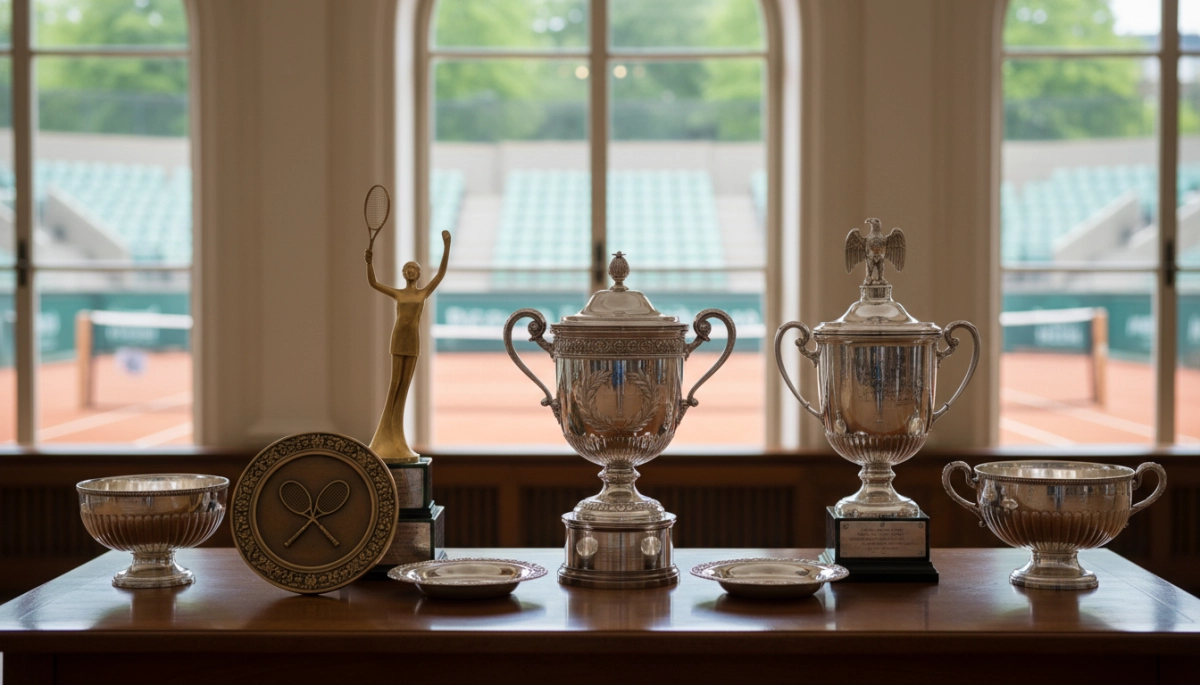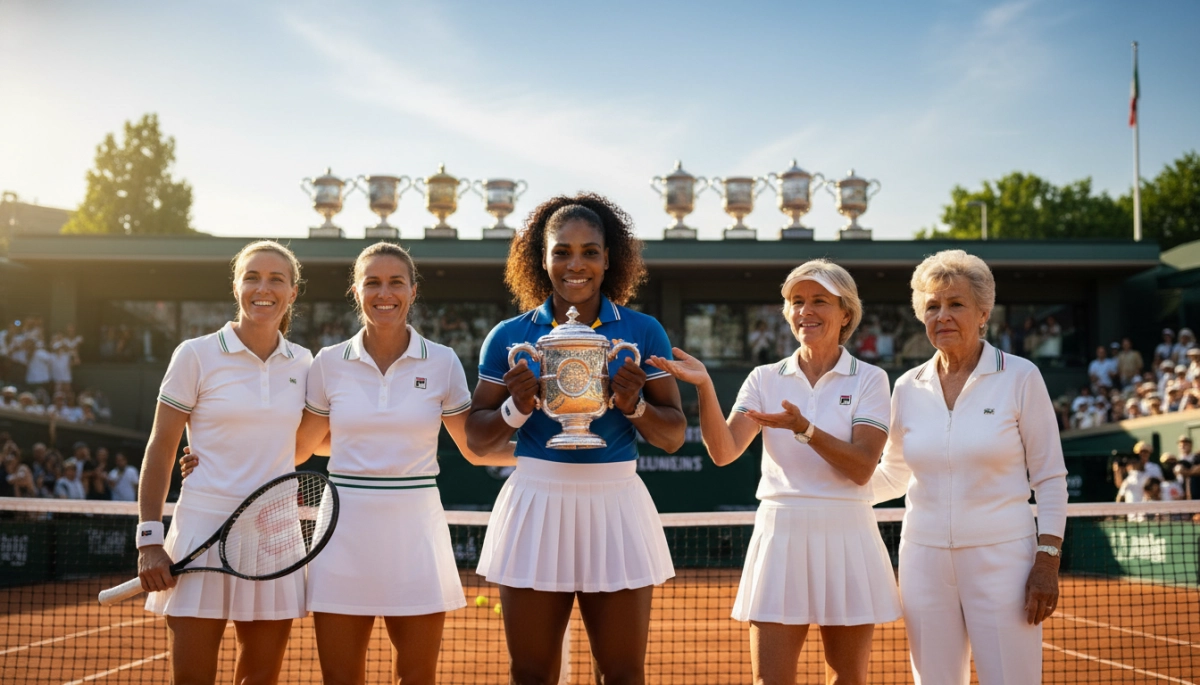
How the ATP Player of the Year Award Reflects a Season of Tennis Excellence
You follow tennis for the big moments — the slam titles, the streaks, the rivalries — and the ATP Player of the Year award packages a whole season’s worth of achievement into a single, definitive honor. Rather than recognizing a single result, this accolade rewards sustained excellence: the ability to perform at the highest level across surfaces, weeks, and pressures. When you look at a Player of the Year recipient, you’re seeing the athlete who combined winning big tournaments, deep runs at Grand Slams, and consistent ranking points throughout the calendar.
Understanding this award helps you read tennis history more clearly. It highlights which seasons changed the balance of power, which players turned promise into dominance, and which campaigns deserve a closer look when comparing all-time greats. In the sections that follow, you’ll explore both the mechanics that decide the winner and the early champions whose seasons set the template for what it takes to earn the title.
How winners are effectively chosen: ranking, majors, and consistency
The ATP Player of the Year is closely tied to year-end No. 1 rankings, but you should view the selection as a synthesis of several factors:
- Ranking points: The ATP points system rewards performance across tournaments — the higher and more prestigious the event, the more impact it has on the race.
- Grand Slam performance: Winning or deep-advancing in slams often tips the balance; those results carry both points and historical weight.
- Week-to-week consistency: You’ll notice winners rarely have long slumps. They accumulate points by going deep in many events, not just a couple.
- Head-to-head and signature wins: Landmark victories over top rivals and decisive showings at season-culminating events (e.g., year-end championships) elevate a candidate.
Trailblazers: early recipients whose seasons reshaped the modern game
When you trace the award back through the decades, patterns emerge. Certain players didn’t just win in a single year — they changed expectations about fitness, technical balance, and mental toughness. Early recipients are notable not only for their titles but for the new standards they established.
- Jimmy Connors: Known for relentless baseline play and fierce competitiveness, Connors’ dominant stretches showcased how sustained aggression could carry an entire season.
- Björn Borg: Borg blended ice-cool clutch play with clay and grass range, proving that surface versatility is crucial for year-long supremacy.
- John McEnroe: McEnroe’s all-court craft and serve-and-volley artistry reminded you that tactical variety and reflexes can define a season.
- Ivan Lendl: Lendl introduced a new professional approach — advanced fitness and systematic preparation — that helped him transform consistency into championship conversion.
These early winners offer lessons you can spot across later champions: adapt to surfaces, prioritize fitness, and string together consistent results. In the next section, you’ll find a year-by-year catalog of winners along with the career highlights that made each season stand out.
Turning-point decades: the 1990s and early 2000s — power, precision, and a more physical tour
As tennis moved into the 1990s, winners of the Player of the Year award reflected a sport shifting toward bigger serves, heavier groundstrokes and year-round athletic preparation. Champions from this era combined signature weapons with the stamina to grind through long seasons — you can trace modern pro routines back to these campaigns.
Pete Sampras is the archetype of that shift: his serve-and-forehand combination and ice-cold closing ability translated into repeated dominant seasons on the biggest stages. Opposite him, players like Andre Agassi and Jim Courier exemplified how baseline power and relentless retrieval could carry a calendar — Agassi’s return game and off-court reinvention made him a perennial threat, while Courier’s hard-court consistency produced deep runs and major titles that pushed him into the year-end conversation.
But the decade wasn’t monolithic. Boris Becker and Stefan Edberg kept the serve-and-volley craft alive in big moments, and emerging stars began to emphasize fitness in new ways. When you look at winners from this period, you’ll notice a pattern: those who paired a standout weapon (big serve, lethal forehand, elite return) with season-long consistency usually claimed the honor. The era also marked the ATP calendar’s increasing depth — winning a major was necessary but rarely sufficient without backing it up across Masters events and season finales.
The Federer–Nadal–Djokovic era and its heirs — reimagining what “dominant season” means
Enter the 21st century, and the model of a Player of the Year campaign evolved again. Roger Federer, Rafael Nadal and Novak Djokovic didn’t just win big — they redefined peak performance across surfaces and years. Each brought a different blueprint for dominance that later winners would emulate.
Federer’s seasons combined aesthetic efficiency and ruthless match-play: vulnerability on only a few surfaces, an uncanny ability to elevate his game in finals, and long streaks of tournament wins made his peak years feel almost untouchable. Nadal rewrote the clay script; his relentless intensity at Roland Garros and the way he adapted his game to hard courts and grass turned single-surface supremacy into all-court credibility. Djokovic introduced a newer template — exceptional flexibility, return excellence and supreme baseline defense — allowing him to string together seasons with prolific Grand Slam hauls, year-end championships and an ability to dominate opponents in head-to-head battles.
Beyond the Big Three, the award has also highlighted incubators of the next generation. Players like Andy Roddick, Lleyton Hewitt and, more recently, Danill Medvedev and Carlos Alcaraz captured seasons that mixed breakthrough major results with sustained point accumulation. Medvedev’s tactical play and Alcaraz’s blend of shotmaking and youthful fearlessness show how the modern Player of the Year can come from different stylistic backgrounds but still meet the same standard: win big, be consistent, and beat the best when it matters.
Reading these eras back-to-back gives you a clearer sense of how the award maps tennis evolution. Whether it’s serve-dominated campaigns of the 1990s or the multi-surface mastery of the 2010s, the Player of the Year consistently marks seasons that set the bar for what the rest of the tour must aspire to in the years ahead.
Legacy and the Seasons to Come
The ATP Player of the Year is more than a trophy; it’s a touchstone that connects fans, players and historians to the evolving craft of professional tennis. As equipment, training and playing styles continue to shift, the award will keep spotlighting seasons that redefine excellence — whether through a tactical revolution, a breakout superstar, or a veteran’s late-career renaissance. For records, context and the latest lists of winners, the official ATP resource remains the primary reference: ATP Tour.
Key Takeaways
- The ATP Player of the Year honors sustained, season-long excellence across tournaments, surfaces and head-to-head matchups.
- Different eras produced distinct templates for dominance — from serve-and-volley and baseline power to multi-surface mastery and tactical versatility.
- The award not only recognizes achievements but signals how the sport is evolving and which players set the benchmark for future seasons.