How the 2026 Tour Looks and What You Should Watch
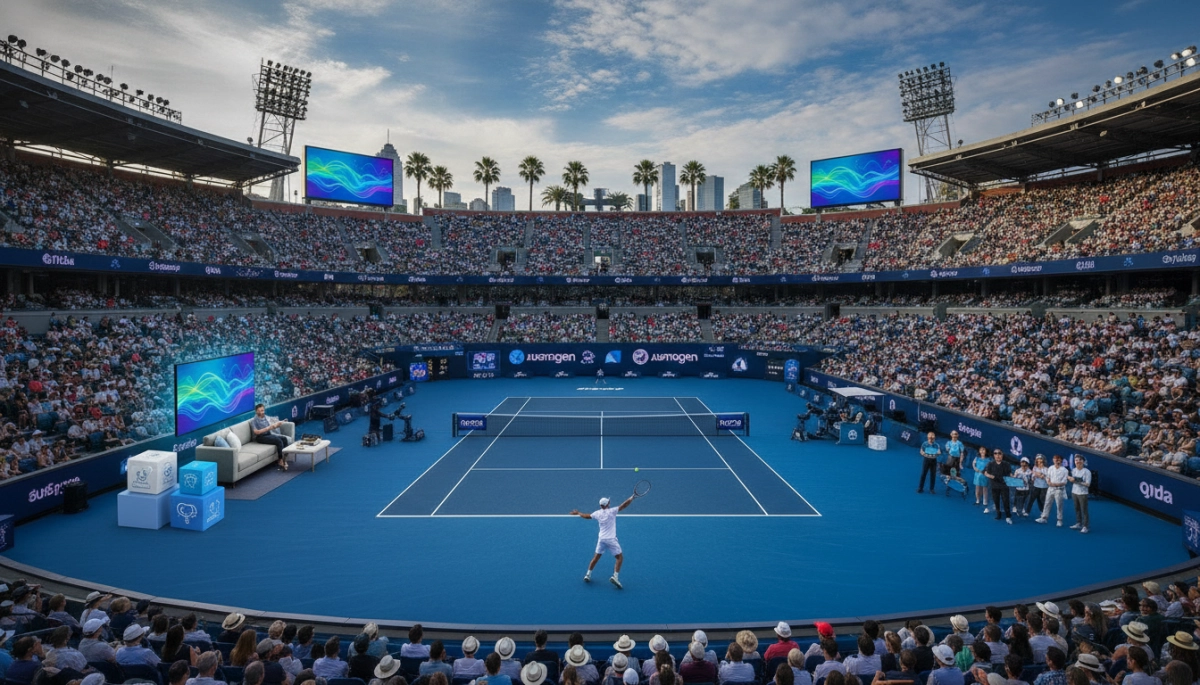
As you follow the 2026 season, you’ll notice the tour is a mix of youthful aggression and veteran savvy. The game continues to evolve: baseline power remains important, but improved movement, variety in shotmaking, and mental resilience decide more tight matches. You should focus not just on who wins, but on how playing styles adapt across surfaces and longer seasons.
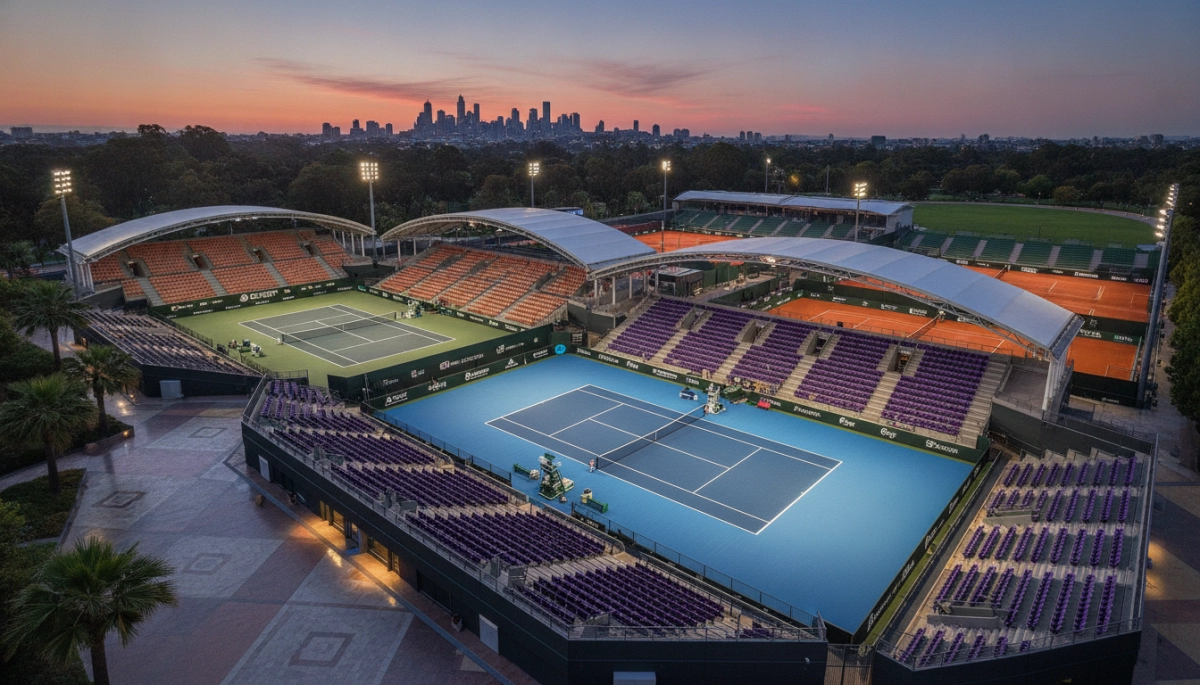
From a spectator or analyst perspective, three trends define this period. First, multi-surface adaptability matters more — players who switch tactics between hard, clay, and grass are rewarded. Second, physical conditioning and injury management determine availability for big events. Third, younger players are integrating tactical variety earlier, shortening the learning curve for elite-level success.
Which Players Count as Rising Stars You’ll See Often
You’ll want to track a shortlist of young players who are breaking through consistently. These athletes combine raw talent with growing tactical understanding; they’re the ones who often upset established seeds and push matches to new tactical depths.
- Young power players: Expect aggressive baseliners who pair big serves with early court control — they force opponents into shorter points and high-variance outcomes.
- All-court improvers: Some newcomers show advanced net play and slice variety, giving you more interesting match patterns instead of pure power duels.
- Mental risers: Track players who consistently win tight third-set matches and tiebreaks; that clutch performance is a reliable sign they’ll climb the rankings.
Specific names you’ll often hear about include those who already showed Grand Slam potential in previous years and have now added consistency — expect to see established young contenders transition from surprise performers to regular main-draw threats.
Which Established Champions Still Define the Tour
Veteran champions continue to shape the narrative: their experience in big moments, court positioning, and point construction teach you how high-level matches get decided. When you analyze tournaments, pay attention to how these champions manage scheduling and adjust tactics to protect ranking and fitness.
- Strategic veterans: These players may not rely solely on power but use placement, serve variation, and constructed points to win key matches.
- Surface specialists who adapted: Some long-time champions have successfully added new strokes or reworked conditioning programs to stay competitive across surfaces.
- Mentor figures: You’ll notice many champions also influence the next generation — partnerships, practice habits, and in-match pacing often reflect that cross-generational exchange.
By understanding both the rising cohort and the seasoned champions, you can better predict match dynamics and spot players poised for big jumps. In the next section, you’ll get player-by-player profiles, head-to-head snapshots, and specific season stats to help you evaluate who will dominate the late-2026 slams and tour events.
Player-by-player snapshots: who to track and why
To make sense of the season, read short snapshots rather than relying on headline rankings alone. Each snapshot should answer: what’s the player’s primary weapon, where they’re most likely to improve, and what match situations expose weaknesses.
– Young power baseline (early 20s): Big first serve and aggressive forehand define their game. Upside comes from improving return depth and movement; vulnerability is predictable patterns on long rallies and second-serve pressure. Watch their hold-of-serve percentage and return games won — those two metrics often separate occasional upsets from consistent top-10 contention.
– Tactical all-court improver (mid-20s): Uses slices, net approaches, and variety to disrupt heavy hitters. Gains come from sharpening serve placement and transition footwork; risk is athletic ceiling on long clay rallies. Surface adaptability is key — a rising all-court player will show increasing win rates across grass and indoor hard courts.
– Mental riser/closer (late-20s): Not the flashiest athlete, but they win the clutch points: tiebreaks, deciding sets, and pressure service games. Improvement hinges on physical maintenance to avoid long-term injuries. Look for a strong tiebreak record, high breakpoint conversion in deciding sets, and a positive third-set win percentage.
– Established champion (veteran): Relies on construction, point intelligence and schedule management. Their threat level often comes down to match fitness and tactical tweaks — any new backhand slice or serve variation can elongate careers. Track changes in their service patterns and percentage of matches played in the full season; fewer but deeper tournament runs often indicate strategic preservation for Slams.
For each player you follow, build a mini-dossier with: recent form (last 10 matches), surface-specific win rates, serve/return splits, and injury/news updates. That combination reveals whether a hot streak is sustainable or likely to regress.
Head-to-head dynamics and rivalry indicators
Rivalries in 2026 are less about names and more about styles: big server vs. counterpuncher, aggressive grasstriers vs. baseline grinders, and the veteran strategist vs. the fearless youngster. When analyzing head-to-heads, focus on style matchups and micro-metrics rather than headline records.
– Serve-return balance: If Player A holds 95% of their service games but Player B converts a high share of return games against similar opponents, the matchup favors the returner. Compare return games won and second-serve return points won specifically against big servers.
– Transition success: Look at net point win percentage and approach efficiency. An all-court player who approaches 60–65% of the time and wins a high share of those points will trouble baseline-only opponents.
– Clutch point performance: Tiebreak record, breakpoint save percentage, and deciding-set win rate are predictive for tight rivalries. Players with a demonstrable edge in clutch metrics often turn narrow margins into repeat wins.
– Physical endurance: Average match duration and five-set performance (for men) or long three-set resilience (for women) matter. A player who loses steam in extended matches will struggle in best-of-five slams or long tournament runs.
Watch recurring patterns across multiple meetings: if one player repeatedly neutralizes the other’s primary weapon (e.g., returns that take pace off a heavy serve), that trend is more telling than a single upset. Use head-to-head snapshots alongside season stats to forecast which rivalries will decide late-2026 slams and Masters events.
Staying Engaged Through 2026
Keep the season lively by focusing on patterns more than headlines: monitor match-level metrics, follow players’ scheduling choices, and watch how styles clash across surfaces. For real-time stat tracking and official updates, consult the official tour site and incorporate those figures into your mini-dossiers to separate one-off results from genuine trends.
Attend matches where you can, tune into live streams for in-match adjustments, and use social channels and player interviews to catch subtle tactical changes. The most rewarding way to follow 2026 is to mix objective metrics with on-court observation — that combination reveals which players are set to surprise and which are pacing themselves for the big events.
Key Takeaways
- Prioritize multi-surface adaptability and clutch-point metrics when evaluating contenders.
- Build concise player dossiers with recent form, surface win rates, and injury status to forecast longevity.
- Combine live observation with official stats to detect sustainable tactical evolution rather than short-term streaks.