Facts: This practical guide gives fans a concise roadmap to the Australian Open’s layout, scheduling and culture, focusing on the hard-court surface and how it shapes play, the logistical demands of travel and tickets, the Melbourne heat that can alter matches and player health, and the festival atmosphere of traditions, fan zones and late-night sessions that make the event uniquely rewarding.
Types of Matches
Different match formats at Melbourne Park shape player tactics and scheduling: Grand Slam Singles use a 128-player draw with men’s matches as best-of-five sets and women’s as best-of-three; doubles generally feature 64-team draws and mixed doubles 32. The AO enforces a deciding-set 10-point tie-break at 6-6, which has reduced marathon finishes and changed late-set strategy.
| Men’s Singles | Best-of-five; draw 128; 2,000 pts |
| Women’s Singles | Best-of-three; draw 128; 2,000 pts |
| Men’s Doubles | Best-of-three; draw 64; specialists like the Bryans |
| Women’s Doubles | Best-of-three; draw 64; team tactics key |
| Mixed Doubles | Best-of-three; draw 32; fast, tactical points |
- Singles – endurance, 2,000 ranking points for winners
- Doubles – net play, teamwork, tactical formations
- Mixed Doubles – gender-mix tactics, shorter draws
- Deciding-set tie-break – first to 10 at 6-6 across events
- Draw sizes – 128 singles, 64 doubles, 32 mixed
Singles vs. Doubles
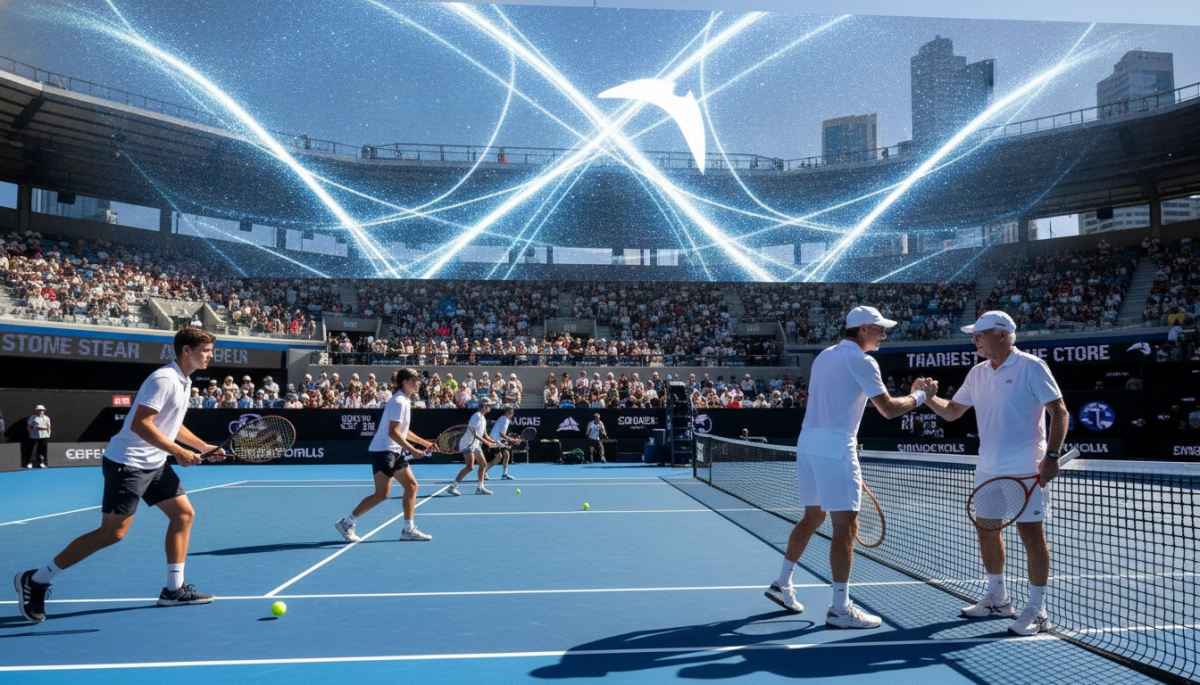
Singles rewards baseline consistency and court coverage while Doubles prioritizes serve-and-volley, communication and split-second reflexes; doubles teams often use I-formation or Australian formation, and legendary pairs like the Bryan brothers (16 majors) underline how specialization can produce repeat champions.
Men’s vs. Women’s Competitions
Men’s singles at the AO are contested best-of-five sets, producing matches that can exceed 4 hours, whereas Women’s singles are best-of-three, typically shorter but tactically intense; both singles champions earn 2,000 ranking points and the tournament has awarded equal prize money since 2001.
Thou should note the adoption of the 10-point final-set tie-break (at 6-6) has materially changed tactics-players now balance risk for a quick break with conserving energy for a decisive tie-break, while the fixed 128-player singles draws and equal 2,000-point rewards keep the competition structure consistent across genders.
Key Factors Determining Success
Serve power and placement decide many short points, while elite returners like Novak Djokovic (10 AO titles) turn tight serving into breaks; movement and footwork determine success in long rallies, with players covering roughly 3-6 km per match and endurance often deciding five-setters. Tactical adaptability to opponents and quick recovery between matches separate contenders from pretenders. Thou, integrate tailored conditioning, tactical variety, and recovery to thrive at Melbourne Park.
- Serve
- Return
- Movement
- Endurance
- Tactical Adaptability
- Mental Resilience
- Surface Adaptation
- Heat Management
Court Surface Dynamics
The Australian Open uses a hardcourt that has evolved-Rebound Ace until 2007, Plexicushion from 2008-2019 and GreenSet since 2020-producing a generally medium‑fast pace that favors heavy hitters and agile baseliners; warmer track temperatures increase ball liveliness and bounce, so players often shorten points on hot afternoons and extend rallies during cooler sessions.
Weather Conditions
Melbourne’s January weather swings from cool mornings to intense heat; tournament protocols like the Extreme Heat Policy and roof closures on show courts are used when conditions threaten player safety, and frequent heat means teams prioritize hydration strategies and on‑court cooling.
In practice, hot, dry conditions make balls jump and shorten reaction times, while humidity can slow play and exacerbate fatigue; dehydration >2% of body mass impairs decision‑making, so players use pre‑cooling, ice towels, electrolyte plans and timed nutrition between sessions. Scheduling (morning vs evening) changes ball speed and footing, so many contenders simulate likely match times in training and adjust string tension, footwear and recovery to the forecasted temperature and humidity.
Tips for Attending the Event
Arrive 45-60 minutes before sessions to navigate security, find your gate and enjoy the fan zones; mobile tickets and the AO app speed entry. Expect variability: Rod Laver Arena seats ~14,820 so late arrivals may be directed to overflow areas. Bring a compact umbrella for sudden showers and use contactless payments to skip queues. Perceiving crowd flow and the heat policy at ~35°C will help you prioritize shade, hydration and match selection.
- Carry a reusable water bottle-refill stations are widespread
- Use public transport; parking is limited and trams serve Melbourne Park
- Check daily schedules on the AO app for court changes
- Pack SPF 30+ sunscreen and a hat for midday sun
- Prefer day sessions for broader access; night sessions host marquee matches
Best Time to Visit
First-week visits give better access to outside courts and lower ticket costs; attendance spikes in week two, peaking during semifinals and finals weekend. Day sessions typically begin ~11:00 and night sessions around 19:30, so schedule transport and rest accordingly. Frequent heat spikes in mid-January can exceed 35°C, influencing court closures under the heat policy. The Australian Open runs two weeks, ending in late January.
What to Bring
Pack a sealed reusable water bottle, broad-brimmed hat, SPF 30+ sunscreen and portable charger; small backpacks under venue rules pass security faster. Include a lightweight rain jacket for sudden showers and printed or mobile ticket copies for backup.
Security enforces bag checks and prohibited items lists-avoid glass, large coolers and professional camera gear without accreditation. Bring necessary medical supplies (prescription meds in original packaging) and a copy of tickets/ID. Refillable water bottles are permitted; free refill stations are located across the precinct. Consider ear protection for kids during loud night sessions and a lightweight seat pad for concrete stands-both improve comfort without breaching venue rules.
Step-by-Step Guide to Buying Tickets
| How to proceed |
Plan for the two-week late‑January tournament: check the daily session schedule, create a Ticketek/AO account, sign up for presales, select session type (singles, night session, or grounds), use the interactive seating map to choose a category, complete payment, then download mobile tickets or collect at the venue; avoid unofficial resellers. |
Online Purchase Process
Register an account on the official Australian Open/Ticketek site, opt into presale alerts, and be ready when your access window opens-queues are common. Use the interactive seat map, verify row/seat numbers before checkout, pay with a secure card, and accept mobile ticket delivery; official resale channels are the safest way to buy sold‑out tickets.
Pricing Tiers and Packages
Tiers range from low‑cost grounds passes to Category seating in Rod Laver Arena (capacity ~14,820) and premium hospitality. Single‑session prices vary widely-Category 1 seats are nearest the court and often command the highest fares, while grounds and higher rows are cheaper; corporate packages and suites start substantially higher.
For specifics, Rod Laver, John Cain (~10,500) and Margaret Court (~7,500) have distinct category maps-compare prices by category and session time (evening sessions typically cost more). Packages include multi‑day session bundles, corporate hospitality, and travel packages; always cross‑check seating maps and refund/transfer policies before purchase to avoid unexpected restrictions.
Pros and Cons of Attending Matches Live
Pros vs Cons of Attending Live Matches
| Electric atmosphere – unmatched court-side sound, chants and momentum swings. | Cost – tickets, travel and accommodation add up quickly. |
| Player proximity – chance to see reactions, warmups and on-court emotion. | Heat & weather – Melbourne summer can exceed 40°C, disrupting sessions. |
| Unique moments – upsets, long rallies and historic milestones feel bigger live. | Queues & waits – security, food lines and entry can take 30-60 minutes. |
| Fan zones & extras – practice courts, sponsor activations and autograph chances. | Visibility – nosebleed seats limit detail; sightlines vary by section. |
| Acoustics – ball impact and player grunts are louder and more immersive. | Late finishes – night sessions can run past midnight, complicating transport. |
| Memorability – photos, souvenirs and the social experience are superior. | Extras cost more – food, drinks and merchandise often premium-priced (AU$10-20+). |
Advantages of In-Person Experience
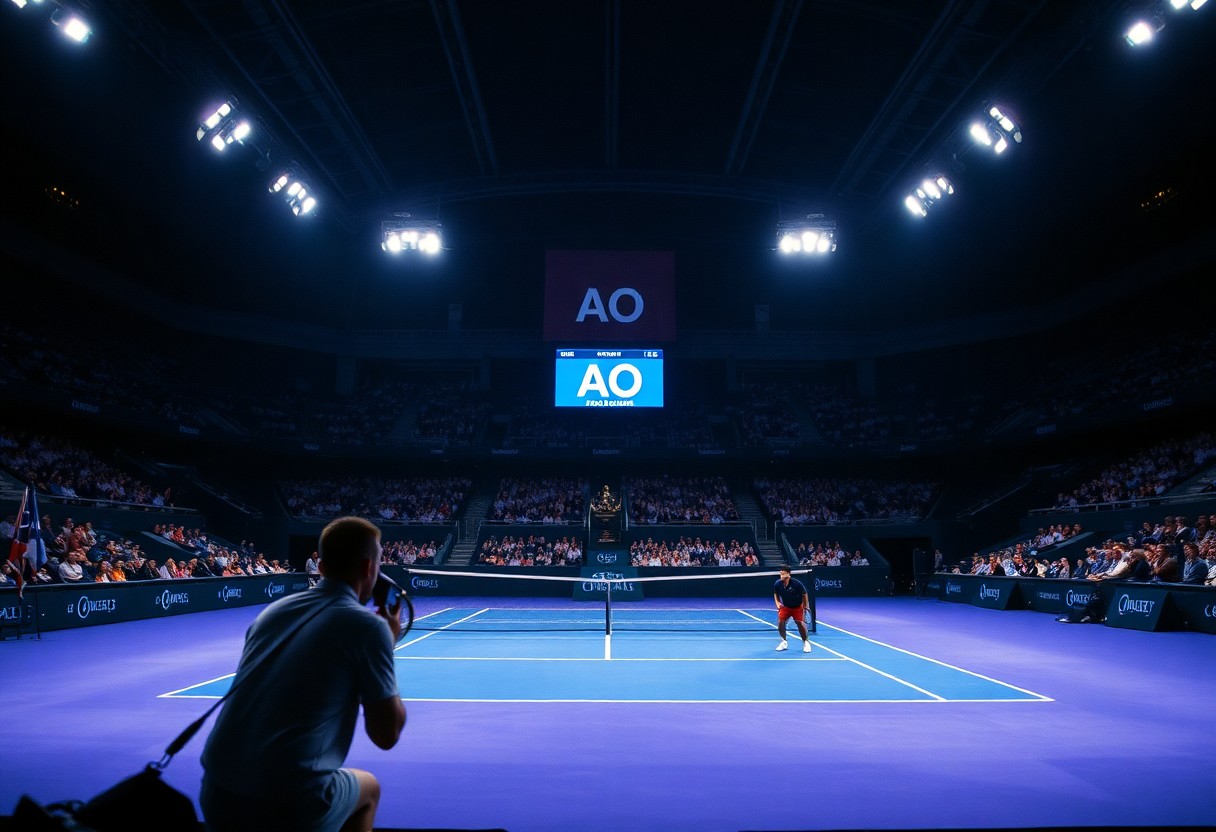
Hearing the ball and crowd creates an electrifying atmosphere that TV can’t replicate; Rod Laver Arena’s ~14,820 seats and night sessions generate palpable energy, while three show courts with retractable roofs mean many matches continue uninterrupted. Fans often spot players warming up on outer courts, increasing chances for autographs and close-up moments that turn a single match into a full-day memory.
Disadvantages to Consider
Ticket costs range widely-from basic session tickets (often AU$30-50) to premium courtside seats (hundreds to thousands)-and on-site prices for food, merchandise and transport inflate budgets; moreover, Melbourne’s summer heat (sometimes >40°C) and long queues for security or concessions can make full-day attendance taxing.
AO mitigates heat with an official Extreme Heat Policy and three retractable-roof show courts (Rod Laver, John Cain, Margaret Court), but secondary effects remain: late-night finishes strain public transport, high-demand matches push resale prices well above face value, and restricted sightlines in upper tiers limit viewing detail-all factors that meaningfully affect the live experience.
Famous Players to Watch
Shift attention to matchups: Novak Djokovic (10 AO titles) remains the benchmark with surgical returning and ice-cold clutch play, while younger contenders bring different threats-explosive forehands, relentless court coverage, or elite serving that shorten points. Pay attention to seed upsets and players with recent hard-court win streaks; they often dictate which half of the draw opens up for a surprise run.
Current Stars
Expect Carlos Alcaraz’s blend of power and improvisation, Aryna Sabalenka’s big-serving game, and Iga Świątek’s heavy topspin and footwork to shape late rounds. Veterans who adapted their movement and return games also matter; when a top returner meets a big server, matches frequently swing in tight margins, so watch serve percentages and break-point conversion for live indicators.
Legendary Past Champions
Past champions defined playing styles: Margaret Court’s record of 11 Australian Open singles titles set a historical bar, while other legends brought contrasting approaches-serve-and-volley finesse, baseline dominance, and mental resilience-that changed tournament tactics for decades. Their finals and rivalries remain templates players study today.
For deeper context, study specific finals: epic five-setters and shifts from grass to hard court rewrote how champions constructed points at Melbourne Park. Techniques that once dominated-like aggressive net play-were countered by improved returns and physical conditioning, producing all-court athletes who combine stamina, spin control, and tactical variety; coaches still reference those classic matches when preparing modern contenders.
Summing up
Taking this into account, the Australian Open blends history, weather, surface speed, tournament structure, player stories, and fan culture into a unique Grand Slam experience; understanding its hard-court dynamics, scheduling quirks, iconic matches, and logistical tips enhances viewing and attendance, whether following rising talents or legends, making informed engagement with the event far more rewarding.
FAQ
Q: What sets the Australian Open apart from the other Grand Slams?
A: The Australian Open is the season-opening Grand Slam held every January in Melbourne, which shapes its character: (1) Hard-court conditions – since 2020 the tournament uses a DecoTurf/GreenSet-style fast-hard surface that favors aggressive baseline play and quick points; (2) Extreme-heat preparedness – organizers operate an established heat policy and three main showcourts (Rod Laver Arena, John Cain Arena, Margaret Court Arena) have retractable roofs so play can continue in extreme temperatures or rain; (3) Unique scheduling – long night sessions and high-volume day/night scheduling create a festival atmosphere and often dramatic late finishes; (4) Local wildcards and playoffs – Australian players frequently earn spots via a national playoff, giving fans local storylines to follow early in the year.
Q: How should a fan plan attending matches in person to get the most out of the event?
A: Buy tickets early and decide between ground passes (access to outer courts, practice courts and fan zones) and reserved showcourt seats for headline matches; arrive early to catch practice sessions where you can see stars up close and to secure better outer-court seating; prepare for heat and sun with sunscreen, hat and water (subject to venue rules), and be flexible because sessions can shift if roofs close or schedules change; use public transport and official entry gates to avoid congestion-Melbourne Park is well served by trams and trains during the tournament; explore the fan activities, player autograph opportunities, and food precincts to turn single-session visits into a full-day experience.
Q: What are the best ways to follow the tournament remotely and why does the Australian Open matter for player rankings and legacy?
A: Official broadcasters, the tournament website and the AO mobile app provide live video streams, scores, match stats and highlights-check local broadcast rights for live access in your country; the Australian Open awards full Grand Slam ranking points and significant prize money, so performances here set the tone for the season, affect seedings and momentum, and can reshape the ATP/WTA race early on; historically the event has produced defining career moments and records, so tracking form, injury reports and match-ups at Melbourne Park gives insight into both immediate outcomes and longer-term player trajectories.