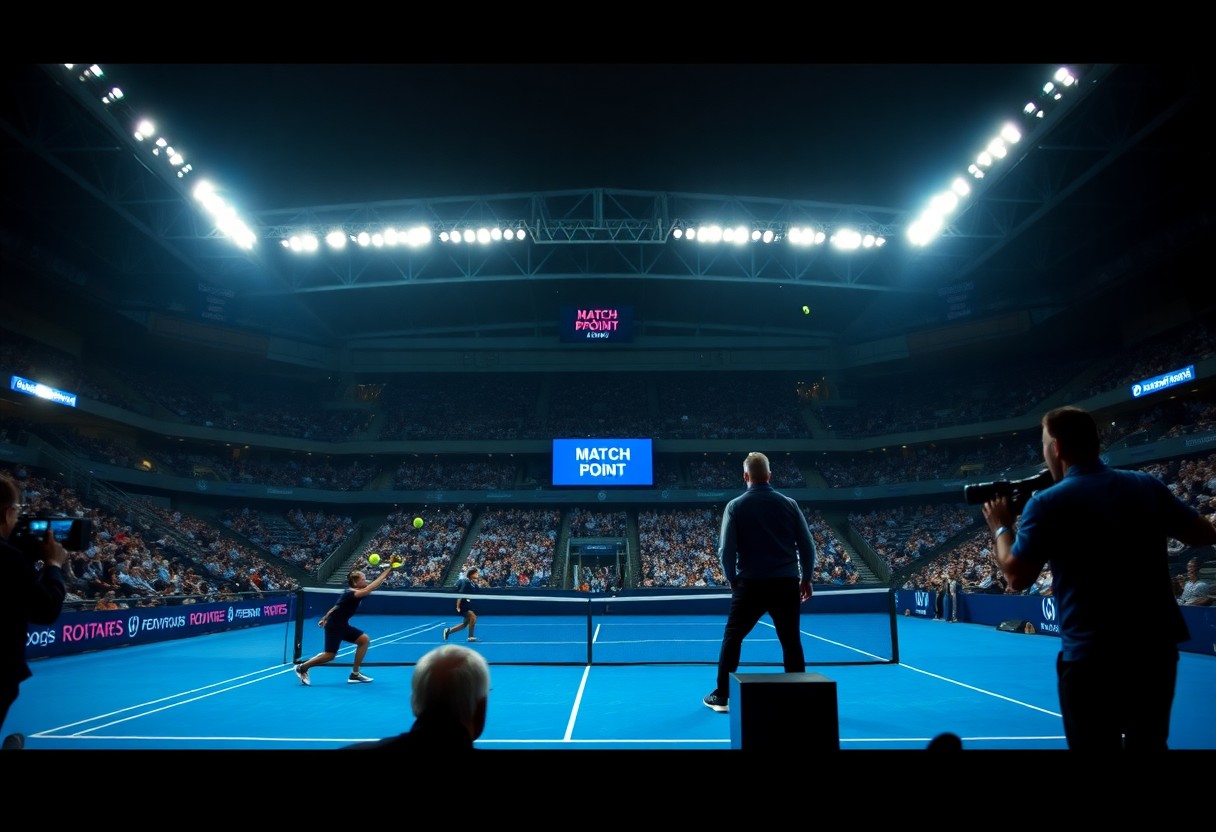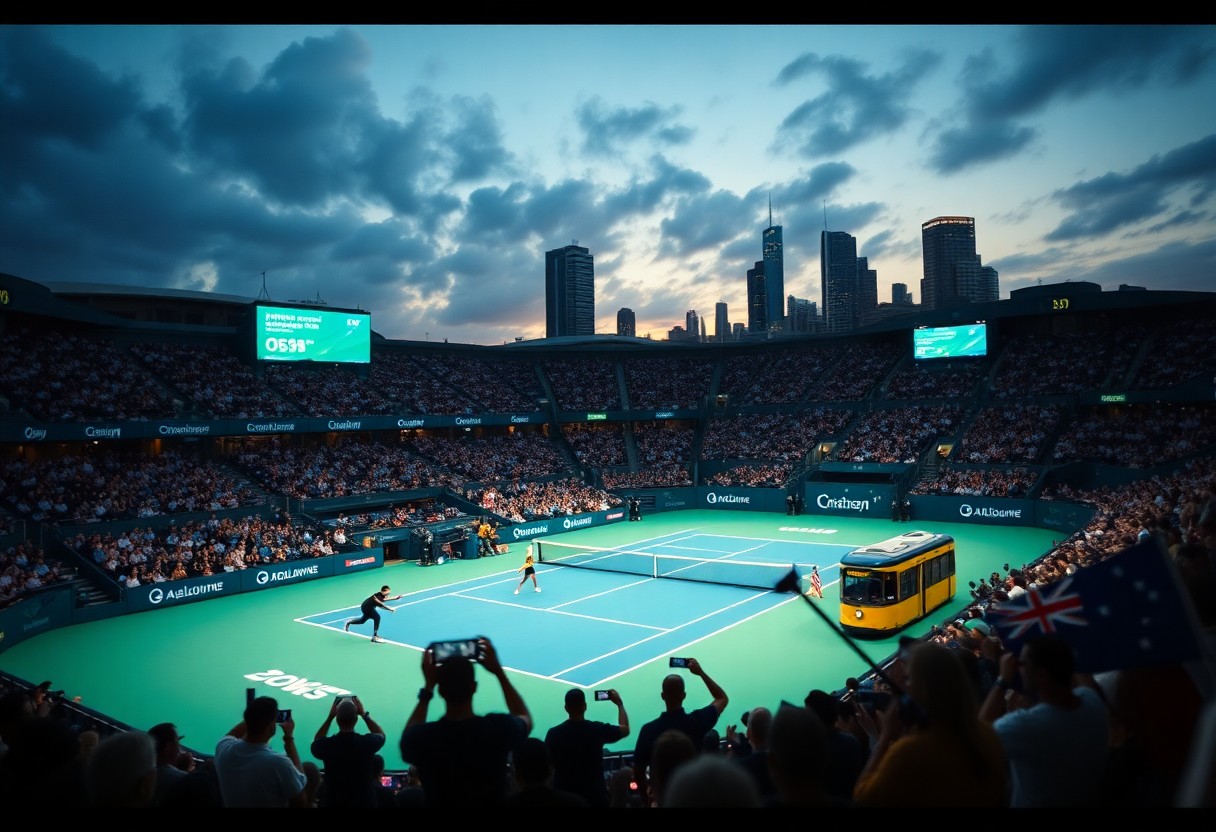
There’s more to Melbourne than the Australian Open courts: this guide distills local neighborhoods, iconic laneways, and museums into practical itineraries, advising how to balance match schedules with day trips, food scenes, and tram travel; be mindful of heatwaves and strong sun that can disrupt plans and pose safety risks, and embrace the city’s efficient public transport and cycling network to move fast and see more while minimizing stress.
Types of Tennis Experiences
From high-capacity Grand Slam sessions to grassroots club nights, options vary by intensity, cost and commitment; expect world-class facilities like Rod Laver and intimate grass courts at suburban clubs. Evening matches bring top-10 stars under lights while daytime club rounds are social and developmental; pay attention to Melbourne’s extreme heat policy and frequent summer temperatures above 35°C. This selection guide maps match types, coaching, club play, exhibitions and grassroots events to time, cost and commitment.
- Professional Matches – Grand Slam sessions, headline draws, premium seating and broadcasted play.
- Club Play – Weekly pennants, hit-ups, social sets and accessible membership options.
- Coaching Clinics – Group and private lessons, junior development squads and high-performance camps.
- Exhibition Events – Kooyong-style warm-ups, celebrity matches and off-season showcases.
- Local Tournaments – Weekend draws (32-128 players), mixed grades, pathway opportunities to state events.
| Professional Matches | Melbourne Park Grand Slam in January; Rod Laver Arena (~14,820 seats), nightly sessions and Tier 1 player fields. |
| Club Play | Seasonal pennants (April-September), social doubles, local courts often floodlit and coach-run clinics. |
| Coaching Clinics | Group lessons, peak-price weeks (holiday clinics), junior squads feeding state programs and talent ID days. |
| Exhibition Events | Kooyong-like invitations, smaller crowds, player Q&As and charity tie-ins-great for close-up photos. |
| Local Tournaments | Club-run draws, entry fees typically A$10-30, match formats best-of-three with match tie-breaks for doubles. |
Professional Matches
Expect the Grand Slam schedule in late January with evening show courts, broadcast coverage and long queues for day/night sessions; Rod Laver Arena seats about 14,820 and John Cain Arena hosts mid-size sessions. Ticket tiers range from ground passes to reserved seating; official apps and timed entries manage crowds. Pay attention to the Extreme Heat Policy which can suspend play and affect spectator comfort and match scheduling.
Local Tournaments
Club tournaments run year-round with draws from 32 to 128 players, weekend formats and mixed grades; many use best-of-three sets and match tie-breaks to finish on time. Entry fees commonly sit between A$10-30, with some regional events offering travel stipends or hospitality for higher-grade players.
Team pennant competitions operate across Melbourne with 50+ metro clubs fielding sides; seasons often run April-September for winter fixtures, while summer events focus on social and junior development. Surfaces vary-hard, synthetic grass and natural grass at selected clubs-so check surface notes and ball types; match officials and player lists are published online 48-72 hours before play, aiding travel and warm-up planning.
Tips for Enjoying Tennis in Melbourne
Use public transport to reach tennis courts, especially trains to Jolimont or Richmond for fast access to Melbourne Park; arrive two hours early on major days to clear security and lines. Pack sun protection (SPF 50+, hat, UV sunglasses), a refillable bottle and electrolyte tablets because summer can spike above 40°C, and prebook local club sessions to avoid sold-out slots at grassroots courts. Prioritise comfortable shoes for long walks between venues during the Australian Open. Assume that you’ll need to modify plans during extreme heat or rain.
- Public transport: use Jolimont/Richmond stations for quickest access.
- Sun protection: SPF 50+, hat, sunglasses, cooling towels.
- Hydration: 1L+ bottle and electrolyte tablets for hot days.
- Bookings: reserve courts and clinics 1-4 weeks ahead in peak season.
- Local clubs: join a social night to meet players and avoid ticket premiums.
Best Times to Visit
Late January hosts the Australian Open (two weeks), delivering peak atmosphere but higher prices and sold-out sessions; average January highs are about 26°C, with occasional heat spikes. Spring (September-November) and autumn (March-April) offer milder days (15-22°C), fewer crowds and easier court bookings, ideal for grassroots tournaments or extended practice blocks. Weekdays outside school holidays cut costs and increase court availability.
Essential Gear to Bring
Carry a tournament-ready tennis kit: two rackets, 3-4 spare balls, proper non-marking court shoes, overgrips and a small first-aid kit; include SPF 50+ sunscreen, a wide-brim hat and polarized sunglasses to reduce glare. Pack a refillable 1L+ bottle and electrolyte sachets to prevent heatstroke risk, plus lightweight layers for Melbourne’s abrupt weather swings.
Choose shoes with lateral support and a durable sole-replace them every 40-60 hours of play. Fit rackets with fresh overgrip and a spare string if you travel often; bring 3-4 balls per session to maintain rally quality. For hydration, plan on at least 1L per hour in high heat and stash cooling towels or a portable fan for recovery. Secure valuables with a small lockable bag and include blister plasters, sunscreen refills and a compact phone charger for long tournament days.
Step-by-Step Guide to Booking Your Tennis Travel
Start by locking flights and a base in Melbourne, then secure tickets and local transport before adding extras like practice courts or city tours. For Australian Open weeks, flights are best booked 3-6 months ahead; hotels in the CBD and Southbank fill fast. Prioritize match dates: finals attract the highest demand, while day sessions often have more affordable seats and easier transit.
| Step | Action / Tip |
| Flights | Book round-trip fares 3-6 months out; compare Qantas, Virgin and international carriers for direct routes into MEL. |
| Accommodations | Choose Southbank/CBD for 10-20 min tram access to Melbourne Park; expect AO peak rates of ~AUD 150-400/night. |
| Tickets | Buy via Ticketek/Australian Open official site; decide between Ground Passes and reserved seats in Rod Laver, John Cain or Margaret Court arenas. |
| Transport | Use a Myki card; CBD has a free tram zone but Melbourne Park is outside it-allow 15-25 minutes by tram from Flinders St. |
| Extras | Book practice session access, stadium tours, and evening dining early; check heat policy and roof schedules for indoor arenas. |
Choosing Accommodations
Pick neighborhoods that balance proximity and atmosphere: Southbank and the CBD place you 10-20 minutes by tram from Melbourne Park and near restaurants; St Kilda offers coastal charm 20-30 minutes away. Expect AO-week hotel rates to spike-budget AUD 150-400 per night for central options. Consider short-term rentals in Richmond for quieter, walkable access to the precinct and tram routes that save travel time on match days.
Purchasing Tickets
Secure tickets through Ticketek or the Australian Open site and watch for phased releases and resale windows; Ground Passes offer flexible park access while reserved seats lock you into specific sessions. Rod Laver Arena holds about 14,820, John Cain Arena ~10,500, and Margaret Court Arena ~7,500, so premium sessions sell out quickly. Avoid unofficial resellers-use the official resale channel to reduce fraud risk.
Plan ticket purchases around match schedules: early rounds and day sessions typically cost less than night sessions headlined by top seeds. Use seat maps to target eastern stands for afternoon shade or central lower tiers for the best sightlines; expect price ranges from economy ground passes to several hundred Australian dollars for premium reserved seats. Monitor Ticketek drop times and consider single-session buys to mix big matches with city exploration.
Factors to Consider for an Optimal Experience
Plan logistics early: secure tickets, book accommodation near public transit, and map routes to Rod Laver Arena and surrounding precincts. Factor in weather variability, queue times, food/shop closures, and strict biosecurity rules at the border. Use the local Myki system and consider shuttle passes or bike options for shorter hops.
- Weather
- Tickets
- Transport
- Visas & Biosecurity
- Accommodation
Recognizing these elements-prioritizing tickets and transport-will significantly improve match-week logistics.
Weather Conditions
Melbourne in January averages around 25-26°C daytime highs and lows near 14°C, yet heat waves commonly push temperatures above 35°C, triggering the AO heat policy and schedule adjustments. Sudden storms and strong winds can reduce visibility and delay outer-court play, while balmy evenings make riverside dining pleasant. Pack layered clothing, a hat, sunscreen, and a refillable water bottle; check hourly forecasts and aim for morning sessions when possible.
Travel Restrictions
Most visitors obtain an eVisitor (subclass 651) or ETA (subclass 601), typically processed within 24-72 hours, whereas the Visitor visa (subclass 600) often requires 2-6 weeks. Airlines may require passport validity for the duration of your stay. Declare all food, plant, and animal items at arrival-non-declaration leads to inspection, confiscation, fines and possible prosecution.
Apply online via the Department of Home Affairs’ official channels or ImmiAccount; the eVisitor is free while the ETA can incur small fees depending on application method. For a subclass 600 include proof of funds, accommodation bookings, and return or onward tickets; processing times swell during January, so apply at least 4-6 weeks before travel. Biosecurity enforcement is strict-sealed meat, fresh fruit and some dairy are commonly prohibited and will be seized-and travel insurance covering medical evacuation and trip interruption is strongly recommended.
Pros and Cons of Attending the Australian Open
| Pros | Cons |
|---|---|
| World-class matches featuring top seeds and surprise upsets | Extreme heat risk with temperatures that can exceed 40°C |
| Night sessions and entertainment that extend the experience | Long queues for food, restrooms and entry during peak times |
| Access to practice courts and player sightings | Ticket prices surge and accommodation often costs 2-3× normal rates |
| Fan zones, concerts and off-court festivals | Crowded public transport at peak arrival/departure windows |
| Extended public transport services during the tournament | Limited seating for headline matches despite overall attendance |
| Wide food and beverage options on-site | Security checks and bag restrictions can slow entry |
| Festival atmosphere across Melbourne suburbs | Increased petty theft and lost-item reports in crowded concourses |
| Chance to discover rising juniors and local talent | Weather delays or suspended play affecting schedules |
Advantages of the Event
Attending delivers access to elite tennis, with Rod Laver Arena seating about 15,000 and tournament attendance often surpassing 700,000 across two weeks; fans enjoy night sessions, practice-court glimpses of top players, pop-up fan zones and extended public transport, creating a high-energy, well-serviced experience that blends sport and festival culture.
Disadvantages of Large Crowds
Large crowds create long queues, slower access to courts and concessions, and higher risk of petty theft in concourses; peak times (arrival before night sessions) routinely see congestion, while transport and security checks can add 30-60 minutes to entry or exit times, making logistics a significant part of the day.
On-site congestion concentrates around Gates 1-3 and main concourses, especially during marquee matches and between-session turnovers; staff shortages or sudden weather events amplify delays, vendors run out of popular items, and emergency egress can become slower-so planning staggered arrivals, using less-busy gates and keeping valuables secured mitigates the most impactful crowd-related issues.
Exploring Beyond the Courts
Venture into Melbourne’s neighborhoods where art-lined laneways, seaside suburbs, and gardens complement match-day energy. Within 10-20 minutes by tram or train you’ll reach the Royal Botanic Gardens (about 36 hectares), Hosier Lane’s street art, and St Kilda Beach. Public transport and shared scooters make short hops efficient, allowing a gallery visit, riverside walk, or coffee in a laneway between matches.
Local Attractions
Start at the Royal Botanic Gardens for native plant collections and lake walks, then visit the National Gallery of Victoria for rotating international shows. Federation Square hosts live events and cultural programming, while the Melbourne Museum offers science and social history exhibits. A short tram ride takes you to St Kilda’s pier and Luna Park; many highlights are within easy public-transit reach.
Dining and Nightlife Options
Carlton’s Lygon Street delivers classic Italian dining, Chinatown serves late-night dumplings, and Fitzroy/Brunswick buzz with indie bars and live music. For upscale meals, book Vue de Monde or Attica; rooftop spots like Rooftop at QT and laneway bars such as Section 8 provide contrast. Expect packed venues during January and book ahead for peak nights.
Plan reservations 2-3 weeks ahead during the Australian Open and consider weekday dinners to avoid higher weekend prices. Use the CBD’s Free Tram Zone for efficient bar-hopping, check for cover charges or last-entry times at clubs, and be mindful of safety in crowded areas-pickpockets and late-night scuffles can occur-so stick to well-lit routes and tram-served returns to your accommodation.
Conclusion
From above, Melbourne presents a rich interplay of sport, culture and urban discovery that rewards travelers who extend their focus beyond the Australian Open courts; combining neighborhood cafés, public parks, tennis heritage sites and accessible tram routes creates a layered itinerary that deepens appreciation of the city’s tennis legacy while offering diverse experiences for visitors of all interests.
FAQ
Q: What unique tennis-related experiences can I enjoy in Melbourne besides attending Australian Open matches?
A: Melbourne offers a wide range of tennis experiences beyond the tournament: take guided tours of Melbourne Park and the Rod Laver Arena to see behind-the-scenes areas; visit historic Kooyong Lawn Tennis Club for its museum and heritage courts; play or watch matches at community hubs like the Victorian Tennis Centre and Royal Park; attend practice sessions and warm-up courts where rising players train during Open fortnight; and join themed tennis events, socials and exhibition matches hosted by local clubs. Pair these with off-court attractions – coffee culture in Fitzroy, live music in Brunswick, and riverside dining in Southbank – to create days that mix hitting sessions with city exploration.
Q: How do I find and book public courts or social hit-ups in Melbourne, and what local etiquette and gear should I follow?
A: Use Tennis Australia’s court-finder tools, local council websites, and apps or social platforms (community tennis groups and Meetup) to locate and book courts; many municipal courts are free or low-cost and allow online bookings. For social play look for “hit-up” groups, club social nights, and park sessions where players rotate after sets. Bring a quality grip, spare dampener, sunscreen, hat, and non-marking tennis shoes suited to hard/grass/clay surfaces; most parks are hard courts but some clubs offer grass or synthetic. Follow local etiquette: arrive early to warm up, limit casual courts to 30-60 minute rotations during busy periods, call score clearly, clean up ball cans, and show courtesy to coaches and juniors using designated times. Floodlit courts are common for evening play and many centres hire rackets and balls if you’re traveling light.
Q: How can I combine attending the Australian Open with sightseeing around Melbourne and nearby attractions while managing transport and accommodation efficiently?
A: Base yourself in suburbs close to Melbourne Park such as Richmond, Southbank, East Melbourne or the CBD to minimize travel to matches and still be within reach of dining and public transport. Book accommodation well in advance for Open fortnight as rates rise sharply. Use Melbourne’s trams, trains and buses with a Myki card for efficient travel – many central trams stop within easy walking distance of Melbourne Park – and plan mornings for tennis and afternoons or evenings for sightseeing to avoid peak crowds. Consider day trips between match days: the Yarra Valley for wineries, Mornington Peninsula for beaches and hot springs, or a coastal drive along the Great Ocean Road. Carry sun protection and a refillable bottle (summer heat can be intense), secure practice-session or ground-pass tickets in advance if you want on-court access, and factor in extra time for security queues and event transfers when scheduling tours or regional excursions.