Why the Hall of Fame Should Shape the Way You View Tennis History
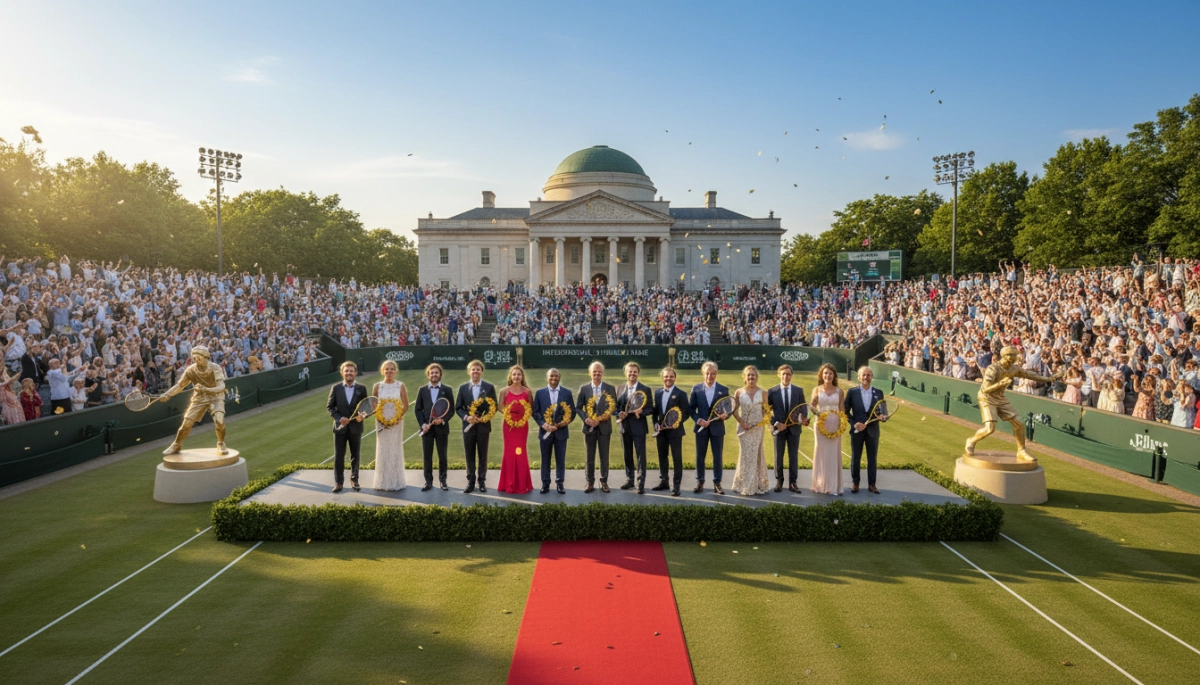
You can’t fully appreciate modern tennis without understanding the people who built it. The International Tennis Hall of Fame preserves the careers, innovations, and off-court contributions that turned a pastime into a global sport. When you study inductees, you see patterns: tactical revolutions, equipment-driven changes, cultural breakthroughs, and fights for equality. Each inductee stands for more than titles; they represent turning points that affected how you watch, play, and think about tennis.
As you read profiles of Hall of Famers, look for three recurring themes: technical innovation (new strokes, strategies, or training), competitive dominance (periods when a player redefined excellence), and social impact (advocacy, barriers broken, or influence off court). Those themes will help you connect a name to the specific reason they belong in tennis’s memory bank.
Early Game-Changers: Pioneers Who Laid the Foundation
In the sport’s formative decades, a handful of players did more than collect trophies — they set standards. Knowing these early inductees helps you trace the sport’s evolution from delicate net play to powerful baseline competition. Below are some pivotal figures whose careers you should recognize and what they contributed to the game.
- Suzanne Lenglen — You’ll notice her name whenever you study elegance and athleticism combined. Lenglen popularized aggressive volleying and expressive court movement at a time when tennis attire and style were restrictive. Her international fame helped move tennis into the modern public eye.
- Bill Tilden — If you want to understand the shift to strategic and forceful baseline play, Tilden’s innovations matter. He brought a more analytical approach to match tactics and was one of the sport’s first global superstars, elevating competitive standards and public interest.
- Helen Wills Moody — Known for her steely focus and consistent excellence, Wills Moody demonstrated how psychological strength and fitness could sustain dominance. When you study her career, you’ll see an early example of how conditioning and mental toughness become as important as natural talent.
- Fred Perry — Perry bridges the amateur and emerging professional eras. His widespread success helped internationalize the men’s game and inspired generations of British and global players to pursue tennis at the highest level.
- Maureen Connolly — As a young champion who achieved groundbreaking results, Connolly highlights the sport’s increasing competitiveness for women and the rising visibility of junior-to-pro transitions that you still see in today’s champions.
By focusing on their technical choices, media presence, and influence on equipment or attire, you’ll be able to map where modern techniques and cultural expectations originated. In the next section, you’ll examine mid- and late-20th-century inductees whose activism, rivalry, and athletic breakthroughs propelled tennis into the professional and televised eras.
Television and the Open Era: Stars Who Sold the Sport
The Open Era’s start in 1968 didn’t just change who could compete — it changed who could be seen. With tournaments broadcast to growing global audiences, a new kind of Hall of Famer emerged: players whose on-court style, personality, and narratives converted casual viewers into lifelong fans. When you study this group, look for stars who combined spectacle with substance.
- Rod Laver — A bridge between eras, Laver’s two calendar Grand Slams (one before and one during the Open Era) symbolize competitive continuity amid upheaval. His mastery of all surfaces set a benchmark for versatility that television could package as greatness.
- Björn Borg and John McEnroe — Their contrasting personas—icy baseline perfection versus fiery flair—made for must-watch television. Borg’s endurance and McEnroe’s touch and temperament dramatized matches and showed how personality fuels ratings as much as technique.
- Jimmy Connors — Connors’s counterpunching aggression and use of a metal racket early in his career were visible signs of equipment-driven evolution. Fans tuned in to see a new sound and speed to the game.
- Chris Evert — Evert’s baseline consistency and calm demeanor defined modern defensive excellence. Her rivalries were prime TV material because they offered repeatable contrasts: style against style, mentality against mentality.
Across these players you’ll track three developments: the importance of marketable identity, the role of equipment and technique in shaping spectacle, and how televised exposure accelerated tennis’s globalization. These Hall of Famers didn’t just win—they sold a product: a narrative-driven, broadly appealing sport.
Rivalries That Raised the Stakes
Certain rivalries did more than settle personal scores; they rewired training, tactics, and fan expectations. When two players repeatedly pushed one another to new heights, the sport advanced—sometimes in a single decade.
Study rivalries for the ways they produced technical innovation and psychological evolution. The marathon clay-versus-grass battles sharpened footwork and endurance; serve-and-volley duels emphasized reflexes and net craft; baseline wars forced improvements in topspin, racket design, and court positioning.
Notable pairings to know:
- Chris Evert vs. Martina Navratilova — A polarity in styles—Evert’s precision and Navratilova’s athletic serve-and-volley—this rivalry drove tactical diversity and gave rise to year-in, year-out anticipation that helped stabilize the women’s professional tour.
- Björn Borg vs. John McEnroe — Their Wimbledon and US Open finals offered narrative arcs of tranquility versus volatility; matches from this rivalry became study material for mental toughness and point construction.
- Andre Agassi vs. Pete Sampras — Spanning the 1990s, their clashes represented the clash of baseline artistry and serve-dominant power that shaped modern men’s tennis.
Rivalries teach you that progress often requires competitive pressure: habits get broken, training regimens intensify, and fans gain stories to follow beyond a single season. Hall of Famers forged legacies not just through titles, but by creating contests that demanded evolution.
Advocates and Barrier-Breakers: Changing Tennis Beyond the Scoreboard
Some inductees are remembered equally for what they changed off court as for what they achieved on it. These figures helped transform tennis into a more inclusive, professional, and socially engaged institution.
- Billie Jean King — Her founding role in the women’s tour, the push for equal pay, and public victories like the “Battle of the Sexes” redefined tennis as a platform for gender equity and player agency.
- Arthur Ashe — Ashe combined elite play with principled advocacy on civil rights and international relations. His career demonstrates how athletic prominence can be leveraged for broader humanitarian impact.
- Althea Gibson and Martina Navratilova — Gibson’s breaking of racial barriers and Navratilova’s openness about sexual orientation expanded who could see themselves in tennis and pressured institutions to become more inclusive.
When you study these Hall of Famers, evaluate their lasting institutional impacts: tour governance, prize structures, outreach programs, and the symbolic power they lent to social movements. Their legacies remind you that tennis’s history is as much about progress off the court as it is about trophies on it.
Legacy in Motion
The stories preserved by the International Tennis Hall of Fame continue to influence how the game is played, governed, and experienced. Learning about inductees invites curiosity, challenges assumptions, and encourages you to look for the forces—technical, cultural, and personal—that shape tennis next. To explore artifacts, oral histories, and rotating exhibits that bring those forces to life, visit the International Tennis Hall of Fame.
Key Takeaways
- Hall of Famers illustrate three durable drivers of change in tennis: technical innovation, competitive dominance, and social impact.
- Analyzing rivalries, equipment shifts, and advocacy reveals patterns you can apply when watching, coaching, or playing.
- Engage with museums, archives, and matches to see how past choices continue to shape the sport’s future.