[Start HTML content here]
How the ATP Player of the Year Became the Measure of Seasonal Dominance
You might already know the ATP Player of the Year as a headline accolade, but understanding why it matters will change how you read tennis history. The award recognizes the player who finished the season at the top of the ATP rankings, reflecting consistent excellence across surfaces and events. Because the ATP ranking system rewards week-to-week performance, the Player of the Year often represents not just Grand Slam success but durability, adaptability, and a high level of play throughout a long season.
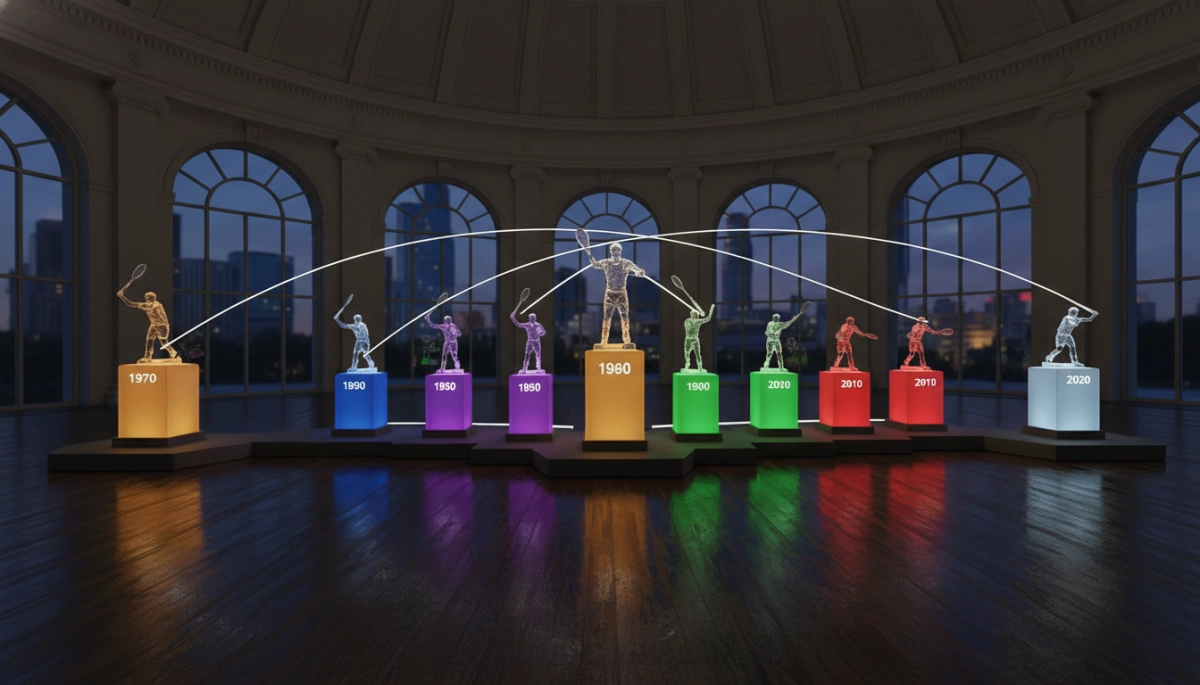
When you trace winners across decades, patterns emerge: certain playing styles, training advances, and even equipment or surface changes can produce eras dominated by a handful of players. In the early years of the computerized rankings and formalized ATP recognition, the interplay between tennis’ professionalization and the calendar structure shaped who could sustain the year-long push required to finish as Player of the Year.
Key factors that defined early-era winners
- Consistency over flashes: You’ll see that many early winners were rarely ousted in early rounds and accumulated ranking points steadily.
- Surface versatility: Players who could transition between clay, grass, and fast courts had an edge in the season-long race.
- Physical and mental endurance: A shorter off-season and relentless touring favored those who recovered quickly and managed travel well.
Foundations of Dominance: The 1970s and 1980s Champions
The opening decades after the ATP rankings became established produced recognizable dynasties. If you study the list of early winners, a few names repeat and tell a clear story about how the game was played and who had the staying power to top the leaderboard.
These were players who not only captured big titles but also maintained a week-to-week presence near the top of draws—an approach the rankings rewarded. Below are the standout figures you should know from the 1970s and 1980s, and why they mattered:
- Jimmy Connors — Known for his relentless baseline game and fierce competitiveness, Connors combined match wins across surfaces with a packed tournament schedule that kept him high in the rankings.
- Björn Borg — Borg’s calm temperament and physical fitness helped him dominate both clay and grass for extended stretches, a rare dual-surface mastery in that era.
- John McEnroe — McEnroe’s serve-and-volley artistry and all-court instincts translated into a high win rate at big events and consistent ranking points over seasons.
- Ivan Lendl — Emerging toward the end of the 1970s and breaking through in the 1980s, Lendl brought an intense work ethic and baseline power that signaled a shift to more physical, data-driven preparation for seasons.
These players illustrated two trends: first, that a mix of technical brilliance and scheduling savvy was necessary to finish the year on top; and second, that shifts in training and tactics could quickly change who dominated. As you move into the next decades, you’ll see how rackets, fitness, and court surfaces reshaped the list of Player of the Year winners and created new multi-year reigns.
Power, Precision and the 1990s–2000s Transition
By the 1990s, the balance of power on tour had already begun to tilt. The serve-and-volley specialists of earlier decades gave way to baseliners who combined heavy groundstrokes with improved movement. Players who dominated this transitional period did so by merging raw power with strategic scheduling: stacking big-point events, peaking for Slams, and protecting their ranking through selective calendar choices.
Standouts from this era crafted different blueprints for season-long success. Some players leaned into aggressive baseline power and relentless court coverage, while others paired big serves with smarter point construction to shorten matches and preserve energy across a long campaign. These approaches reflected wider changes in equipment (more powerful frames and string technology), fitness regimens, and coaching philosophies that emphasized year-round preparation.
- Match construction over flair: Winners in this era often prioritized high-percentage tennis and fewer unforced errors to grind opponents down over a season.
- Surface convergence: As hard courts became more prevalent and slower surfaces spread, adaptability counted for more than pure grass or clay specialists.
- Season planning: Top players used strategic rest and targeted appearance at big tournaments to protect rankings while still accumulating critical points.
Names associated with this transformation are familiar: established champions who translated big-match consistency into year-end supremacy, and a new wave who combined athleticism with smarter on-court tactics. The result was a more physically demanding tour where stamina, recovery, and incremental improvements separated the Player of the Year from the rest of the pack.
The Big Three and the Mechanics of Modern Dominance (2000s–2010s)
The next seismic shift arrived with an unprecedented concentration of excellence. A trio of generational talents rewrote what season-long dominance looked like by sustaining peak performance across many seasons. Their rivalry didn’t just produce memorable matches; it elevated standards of consistency, forcing every contender to find marginal gains off-court—nutrition, analytics, biomechanics—to keep pace.
Several features defined this modern stretch of Player of the Year winners:
- Surface mastery across the calendar: The era’s leading names collected big titles on clay, grass, and hard courts, turning surface versatility into a prerequisite for year-end leadership.
- Depth and adaptability: With deeper draws and higher baseline rally quality, champions needed to survive long, physically draining matches week after week.
- Incremental innovation: Advances in match analytics, recovery science, and individualized coaching created an environment where tiny improvements yielded big ranking dividends.
Beyond the headline rivals, this period also highlighted how the ATP calendar and marquee events (Masters-level tournaments, the ATP Finals) influenced the race for Player of the Year. Winning big events became essential, but so did consistent attendance and point defense—making the award as much a story of year-long strategy as it was of peak moments. As the tour moved into the 2010s, the bar for what constituted a campaign worthy of Player of the Year had never been higher, setting the stage for the next wave of challengers and the endurance tests they would face.
Looking Ahead: The Future of Year-End Supremacy
The ATP Player of the Year will remain a unique barometer of tennis excellence — not just a trophy for peak moments, but a reward for managing form, fitness, and scheduling across a grueling calendar. As equipment, analytics, and sports science keep advancing, the path to year-end supremacy will continue to evolve. Emerging talents, deeper fields, and changes to surfaces or the tour calendar could produce new patterns of dominance or shorter, more contested reigns.
Keep an eye on how younger players integrate data-driven preparation with smart season planning, and how veterans adapt recovery and match strategies to stay competitive. For the most current standings and to track who’s mounting a run for Player of the Year, consult the official ATP Tour rankings.
Key Takeaways
- The ATP Player of the Year is a measure of sustained excellence across an entire season, rewarding consistency, adaptability, and strategic planning.
- Technological advances, changes in training and equipment, and calendar adjustments have repeatedly reshaped which playing styles and strategies dominate.
- Future winners will likely combine surface versatility, smart scheduling, and marginal gains from sports science and analytics to sustain year-long success.