Getting to Melbourne Park for the Australian Open 2026: what to expect on match days
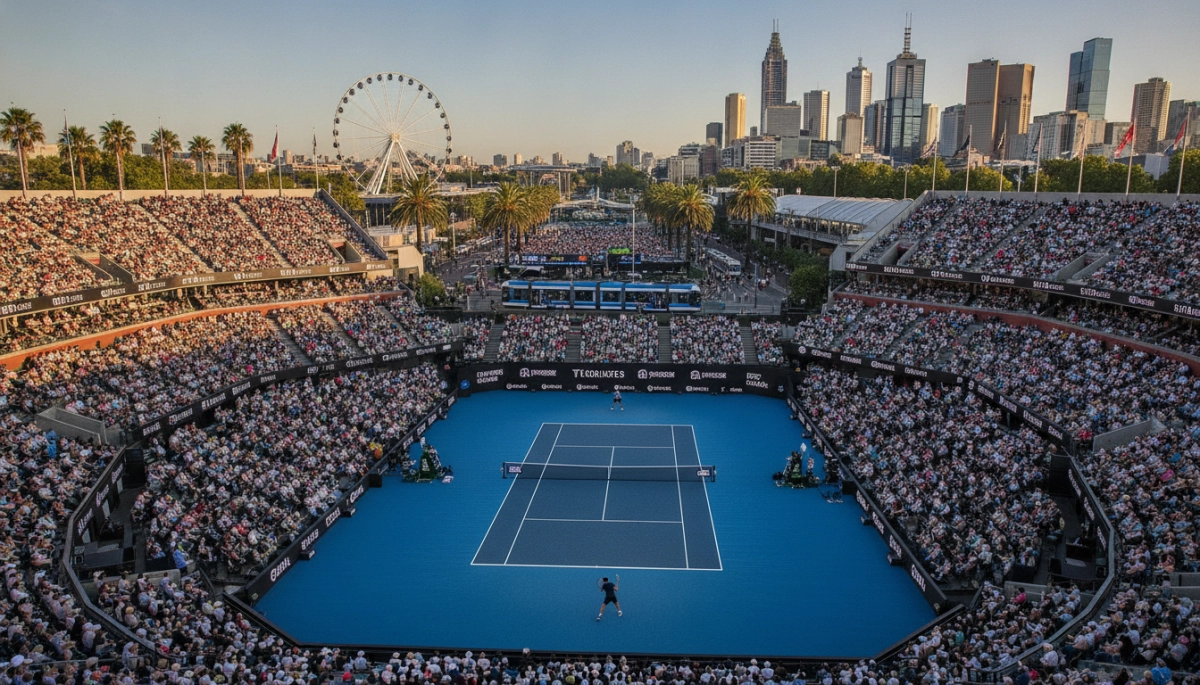
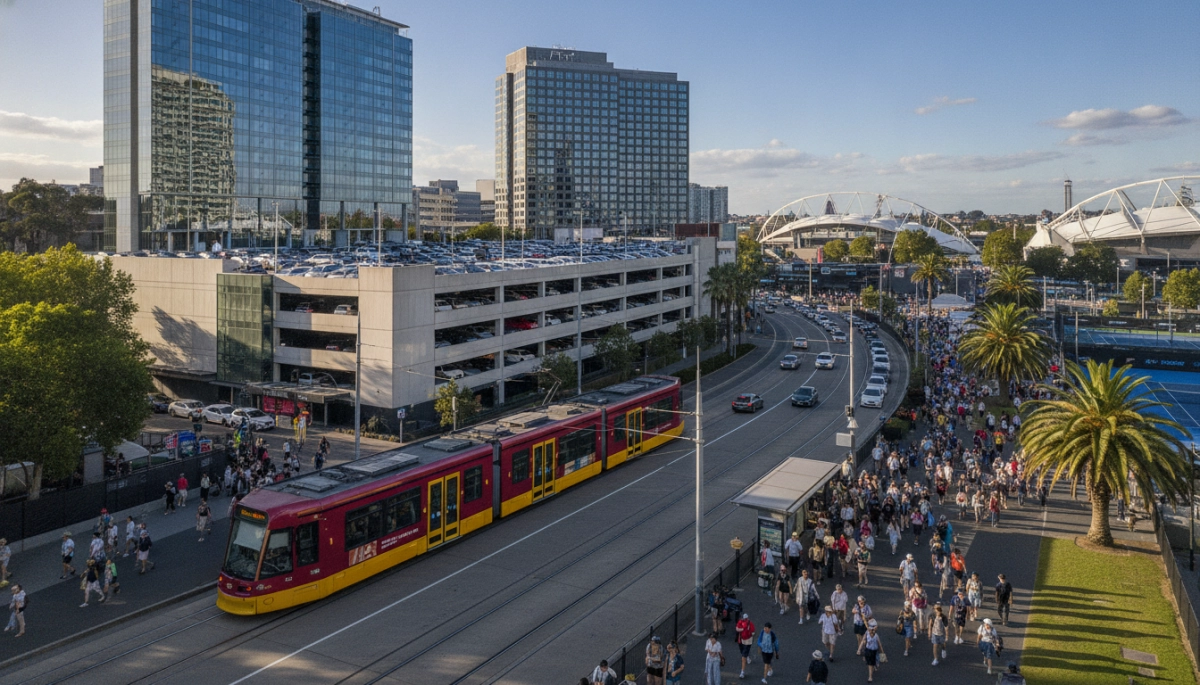
When you arrive in Melbourne for the Australian Open, you’ll encounter a high-energy event zone around Melbourne Park. Expect large crowds, temporary traffic changes, and extra public-transport services. Planning ahead will save you time and reduce stress on match days. You’ll need to think about how you prefer to travel (public transport, ride-share, or driving), where you’ll base yourself overnight, and whether you want a door-to-door option like a hotel shuttle.
Before you leave, check official Australian Open travel notices and Public Transport Victoria (PTV) updates for any special timetables or road closures. Download the PTV app and make sure your Myki card (or a preloaded ticket) is ready if you plan to use trams, trains, and buses. Also build in extra time for security entry at Melbourne Park — lines can be long at peak sessions.
Choose public transport or drive: quick comparisons and what to pack
- Public transport (recommended): Trams and trains are the simplest ways to reach Melbourne Park on busy days. They drop you close to the precinct, avoid parking hassles, and run more frequently during the tournament. Look up tram stops and the nearest train stations before you go so you can plan your return trip after late sessions.
- Driving and parking: Onsite parking is usually very limited and often sold in advance. Traffic around the park will be slow, especially before and after headline matches. If you must drive, pre-book official parking through the tournament or use suburban park-and-ride at a nearby train station to avoid inner-city congestion.
- Ride-share and taxis: Expect designated pick-up and drop-off zones. These can be busy, so plan a meeting point or allow extra time for collection after the match finishes.
- Accessibility: If you need accessible transport or entry, check the Australian Open accessibility guide for specific drop-off points, wheelchair access, and assistance services at Melbourne Park.
Where to stay and early booking tips
Staying close to the CBD, Southbank, or East Melbourne will give you easy tram and walking access to Melbourne Park. Hotels that advertise shuttle services for the Australian Open can remove transport worry, but they often sell out early. Book accommodation as soon as dates are confirmed — the best options go quickly.
- Location priorities: Proximity to tram lines or a short walk to Jolimont/Flinders Street/Richmond stations will save time.
- Cost vs convenience: Budget hotels further out can be cheaper, but add travel time; weigh transport savings against higher rates for central properties.
- Early-bird bookings: Look for refundable rates in case your schedule changes, and read hotel policies about late arrivals after event-curfew times.
With these basics covered — how to travel, what to expect on match days, and where to stay — you’ll be ready to dive into more specific tips. Next, you’ll get detailed guidance on parking options, exact tram and train stops to use, and recommended hotels by neighborhood to match your budget and match-day plans.
Parking at Melbourne Park: options, booking and what to expect
If you’re leaning towards driving, plan on booking parking well in advance and treating it as part of your match-day logistics rather than a last-minute decision. Onsite parking at Melbourne Park is limited and frequently sold as pre-booked bays through the tournament’s official provider. Those spaces are convenient but pricier — they’re best for groups carrying equipment or for anyone with mobility needs who requires close drop-off and accessible parking.
Alternative strategies:
– Pre-book official parking if available for your session, and print or screenshot confirmation — these bookings are enforced on busy days.
– Use suburban park-and-ride: find a station with available long‑stay parking a few stops away (Richmond, Cremorne, Hawthorn and other inner‑suburban stations are common choices) and ride the train/tram into the city. It often saves time and avoids congestion near the precinct.
– Private car parks near the MCG and in Richmond can be cheaper but check walking routes and post‑match exit times; some operators temporarily restrict exits during peak egress.
– Consider valet or hotel parking if staying nearby — many central hotels offer packages and can advise on match-day traffic.
On the day:
– Allow extra time — queues to enter and exit can add 20–60 minutes depending on match schedules.
– Follow traffic signage and staff directions; temporary road closures and one‑way setups are common around peak sessions.
– If you plan to meet a rideshare after the match, head to the designated collection zones rather than trying to circle nearby streets, which are frequently congested or closed.
Trams, trains and the best stops to use on match days
Public transport remains the fastest and least stressful option for most spectators. Melbourne’s network runs extra services during the tournament, but knowing exactly where to get off and which stops to aim for will save walking time and confusion.
Nearest train stations:
– Jolimont is the closest station to Melbourne Park — a short, signposted walk to the precinct and ideal for quick access. Services can be busier than usual, so follow event signage for directional flows.
– Richmond and Flinders Street are slightly further but have significantly more frequent services and more parking/transfer options if you’re coming from the suburbs.
Tram advice:
– Identify the tram routes that run along Swan Street and nearby arterials on your map (PTV and Google Maps will show stop names). Trams stop close to the precinct entrances and are useful for short hops from the CBD, Southbank and inner suburbs.
– Use trams heading east/west across the river to avoid peak clogging on north–south routes.
– Keep your Myki topped up — inspectors operate at major stops during the AO, and mobile top-up options can be slower with crowded networks.
On big nights, follow the event marshals’ directions for entry and exit flows to avoid getting bottled up with large crowds. If you’re staying late, check the last service times on the PTV app and have a backup taxi or rideshare plan.
Hotels by neighbourhood: where to stay for convenience and value
Choosing the right neighbourhood can make every match day smoother. Here are practical options by location and budget focus.
– Southbank/CBD (best for convenience, mid–luxury to luxury): Walkable to trams and only a short tram ride or walk to Melbourne Park. Ideal if you want quick access to post‑match dining and riverfront amenities. Expect higher rates but minimal travel time.
– East Melbourne/Jolimont (best for match-day access): Close to Jolimont station and quieter than the CBD; an excellent choice for early starts and late finishes. Smaller boutique hotels and guesthouses are common.
– Richmond/Abbotsford (good value, tram access): Offers more budget-friendly hotels and guesthouses with easy tram links into the CBD and direct walking routes to the precinct. Good for groups seeking lower nightly rates.
– Fitzroy/Collingwood/St Kilda (budget to mid-range and lively night scenes): Cheaper options and characterful stays, but allow extra tram time to the park; useful if you plan to explore Melbourne’s nightlife around match days.
Booking tips:
– Look for hotels that advertise tournament shuttles or flexible check‑in/out. Confirm late‑night transport options with reception.
– Prioritise proximity to a tram stop or Jolimont/Richmond stations over being a block closer to the CBD if match access is your main concern.
– Compare refundable versus non‑refundable rates — the former gives flexibility if session times or travel plans change.
Match-day packing checklist
- Match tickets or e‑ticket on your phone (and backup screenshot).
- Myki card or preloaded travel ticket and a fully charged phone for top-ups.
- Portable charger, headphones and any necessary chargers or cables.
- Reusable water bottle (check current venue rules), sunscreen, hat and sunglasses.
- Light rain jacket or poncho — Melbourne weather can change quickly.
- Small day bag that meets the venue’s bag policy, plus essential medication and ID.
- Cash for small purchases, a card for contactless payments and any pre‑booked parking confirmation.
Last-minute reminders
- Check official travel and event notices before you leave to confirm road closures, altered tram routes and extra services.
- Allow plenty of time for entry queues and security; getting there early also lets you soak up the atmosphere.
- If you’re meeting a group after the match, agree a clear meeting point away from the busiest exits.
- Follow venue staff and temporary signage when entering and exiting — they’re there to keep pedestrian flows moving safely.
- If you need live public-transport timetables or service alerts, consult Public Transport Victoria.
Enjoying the Australian Open
Whether it’s your first visit or you’re a seasoned regular, a little forward planning goes a long way: organise travel, pack smart, and give yourself extra time on match days. With the right prep you’ll spend less time on logistics and more time enjoying the tennis, food and atmosphere around Melbourne Park. Have a great tournament!