Why surface matters when you judge the greatest tennis players
You already know that tennis is played on more than one kind of court, but you may not appreciate how profoundly a surface reshapes every match. Each court—clay, grass, and hard—rewards different movement, shot selection, and tactical choices. When you assess the “greatest” players, surface-specific success often reveals strengths that a simple overall tally of titles misses. This guide helps you think like an analyst: you’ll learn which records and qualities matter on each surface and why some players dominate one surface while struggling on another.
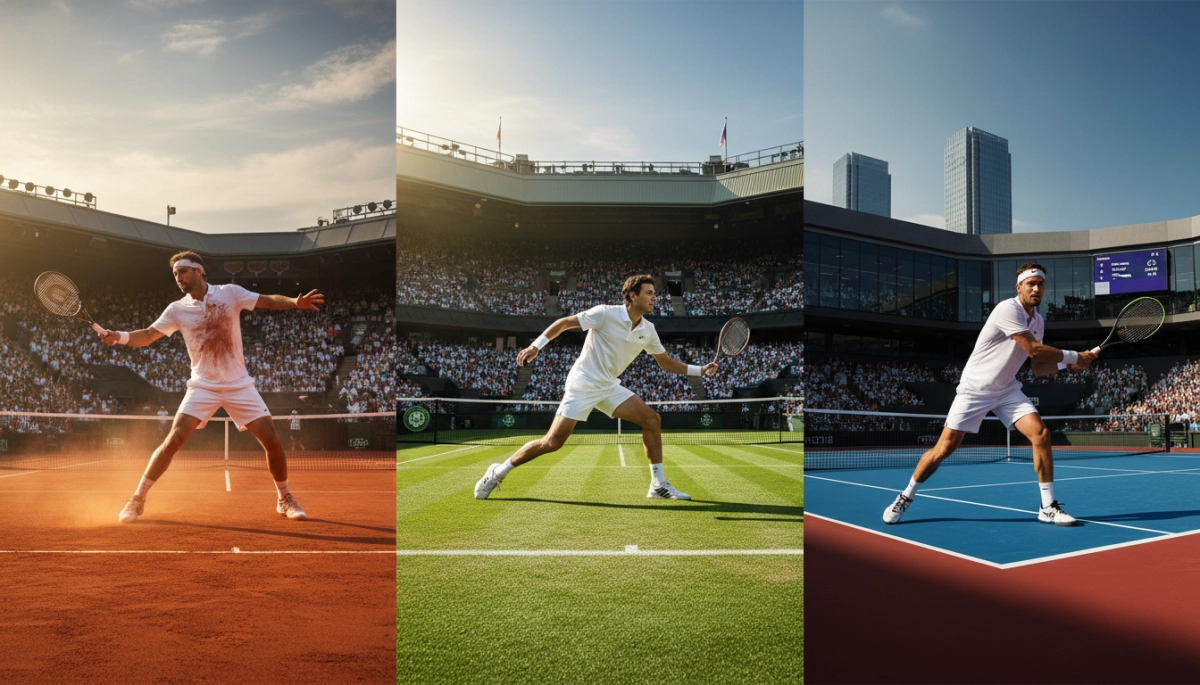
How clay, grass, and hard courts change the game
Before diving into player lists, you should understand the defining traits of each surface and the types of players they favor. These differences explain many historical rivalries and why certain names recur at particular tournaments.
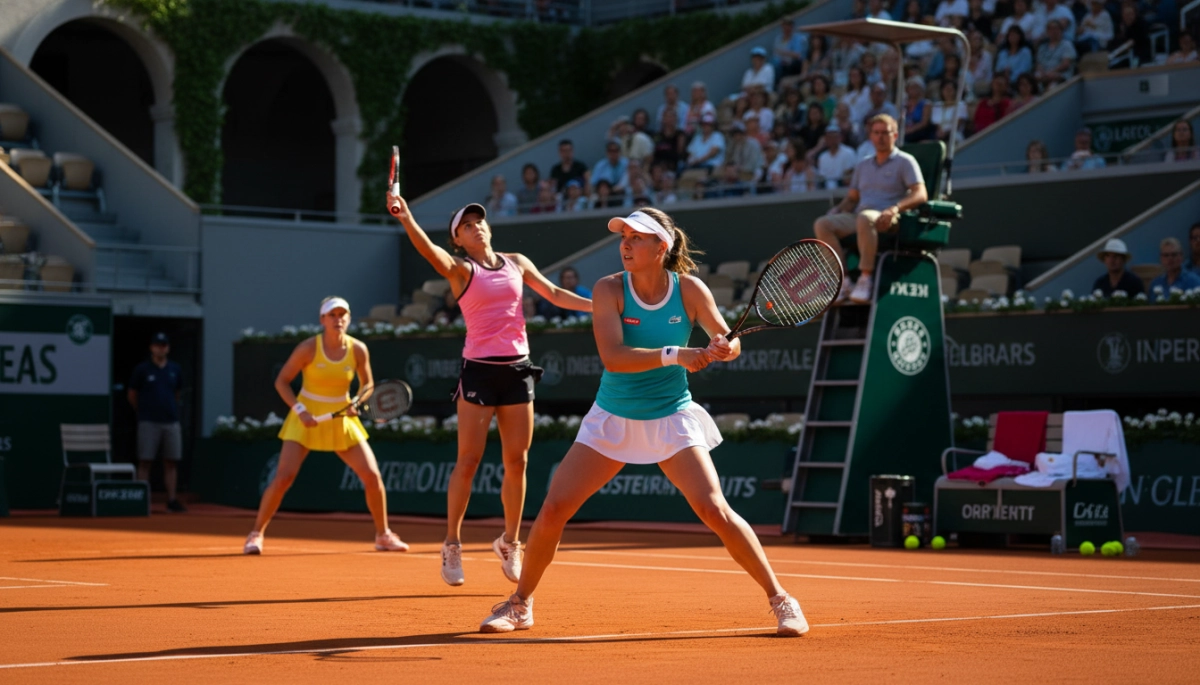
- Clay courts (e.g., Roland-Garros): Slower pace and higher bounce. Rallies lengthen and footwork—especially sliding—becomes vital. Clay rewards patience, top-spin heavy groundstrokes, and excellent defense.
- Grass courts (e.g., Wimbledon): Fast and low-bouncing. Points are shorter; serve and volley or aggressive return strategies pay off. Precision, quick reaction time, and slice shots gain extra value on grass.
- Hard courts (e.g., Australian Open, US Open): Medium-fast with predictable bounce. Hard courts balance power and consistency, suiting all-court players and those who can mix offense with reliable baseline play.
What metrics you should use to judge greatness on each surface
When you compare players by surface, raw Grand Slam totals are an incomplete measure. Use a mix of quantitative and qualitative metrics so your rankings reflect sustained dominance rather than one-off successes.
- Surface-specific major titles: Number of Grand Slams won on that surface (e.g., clay Slams at Roland-Garros).
- Win percentage: Career and peak-season match-win rates restricted to the surface in question.
- Head-to-head on that surface: How a player performed against top contemporaries where it matters most.
- Stretch of dominance: Consecutive finals, weeks at No. 1, or unbeaten runs on the surface.
- Style fit and technical advantage: How a player’s serve, movement, and favored patterns exploit surface characteristics.
- Era and competition level: Adjust for changes in equipment, speed of courts, and depth of the field over time.
With these concepts in mind, you’ll be able to appreciate why a player celebrated as an all-time great overall might rank differently when you isolate clay, grass, or hard-court performance. Next, we’ll profile the leading candidates on each surface—starting with clay specialists whose records at Roland-Garros and other red-dust tournaments define an era.
Clay: Rafael Nadal and the archetype of red-dust dominance
When you think “clay GOAT,” one name defines the conversation: Rafael Nadal. His combination of extreme topspin, relentless court coverage, left-handed angles and mental resilience matches clay’s demands better than any modern player. Clay compresses power, extends rallies and magnifies movement; Nadal turned those traits into an almost mechanical advantage. Beyond his Roland-Garros haul, the fuller case for Nadal on clay rests on surface-specific win rates, long unbeaten stretches at key events, and lopsided head-to-head records in red-dust matches against top contemporaries.
But clay greatness isn’t only about one tournament. Historical specialists like Björn Borg, Gustavo Kuerten, Thomas Muster and Guillermo Vilas built their reputations through sustained seasons of clay supremacy—stringing together European and South American titles, deep runs at Monte‑Carlo and Barcelona, and high win percentages over multiple seasons. When ranking clay elites, weigh three things: dominance at Roland‑Garros (or equivalent era majors), season-long win rate on clay, and evidence of tactical superiority—who controlled points, who forced opponents off the court, and who dictated when rallies were played.
Adjust for era: wooden frames and faster clay of the 1970s produced different match patterns than the modern heavy-topspin game. Even with that caveat, Nadal’s statistical and stylistic fit for clay makes him the clear apex, with a tier of specialists trailing who each represent the purest ways to win on red courts.
Grass: precision, pace and the serve-and-volley heirs
Grass rewards immediacy—big serves, low slices, quick feet and precise finishing at the net. Roger Federer and Pete Sampras are the two names most associated with grass-court greatness in the men’s game: Federer for his unrivaled combination of timing, variety and Wimbledon titles; Sampras for his serve-and-volley command and clutch performances under Centre Court pressure. Both exploited grass’s speed but in stylistically different ways—Sampras with overwhelming serve placement and net closure, Federer with fluid offense, impeccable footwork and a backhand slice that kept opponents off balance.
Grass seasons are short, so sample size matters: a player’s Wimbledon record carries outsized weight in any grass GOAT debate. Beyond titles, useful metrics include win percentage during the grass swing, success returning big serves on low bounces, and efficiency at finishing points (net approaches and volley conversion). Historically, Martina Navratilova and contemporaries in the women’s game demonstrated how serve-and-volley mastery translated to sustained Wimbledon dominance; modern grass has slowed somewhat, emphasizing baseline steadiness alongside traditional grass weapons. Evaluate greatness by blending titles with technical fit and consistency across the brief but high-stakes grass calendar.
Hard courts: the neutral battleground that crowns all-court champions
Hard courts are the great equalizer—medium-fast, predictable bounce and a huge calendar presence make them the best test of an all-court player. Novak Djokovic’s career illustrates the hard-court prototype: exceptional return of serve, movement that turns defense into offense, and relentless baseline depth. His Australian Open and US Open records, plus numerous hard-court Masters titles and a sustained win rate on DecoTurf/Plexicushion, are the kind of multi-metric evidence you want for hard-court supremacy.
Hard-court greatness often hinges on different traits than clay or grass: return efficiency, baseline tolerance for power, serve consistency, and the ability to adapt to slightly different hard surfaces. Andre Agassi, Serena Williams and other legends built their reputations here by combining groundstroke firepower with tactical versatility. Because hard courts host the majority of tour events, dominance on this surface is also a strong indicator of overall all-time impact—players who excel here can win more often, year-round, against diverse opponents and conditions.
Looking ahead: surfaces and the next generation of champions
Surfaces will continue to be an essential lens through which we understand tennis greatness. As equipment, court maintenance and analytics evolve, so will the strategic balance between clay, grass and hard courts. Expect younger players to train more surface-specific skills early—sliding mechanics for clay, low-ball handling and net transitions for grass, and return depth and consistency for hard courts—while also using data to optimize scheduling and peak for target events. Fans and analysts who focus on surface-specific metrics and match-up context will gain a clearer picture of who can dominate a calendar year or define an era.
If you follow the tour closely, use official schedules and surface breakdowns to track trends and emerging specialists—resources like the ATP Tour site provide up-to-date event surfaces, player entries and historical result filters that make surface-level comparisons easier.
Key Takeaways
- Different surfaces reward different skills: clay favors topspin, endurance and sliding; grass rewards serve, slice and quick net play; hard courts demand all-court consistency and return excellence.
- Surface-specific greatness is best judged with tailored metrics: majors on the surface, win percentage there, head-to-head on that surface, and streaks of dominance.
- Future champions will blend specialized training with data-driven scheduling—watch surface results, not just overall titles, to spot true mastery.