Where the elite stands now: why this guide matters to your view of the tour
You follow matches, highlights, and rankings, but the modern tour moves quickly. Players rise and fall through form, injuries, surface specialization, and strategic scheduling. This guide helps you cut through the noise so you can identify who truly belongs on a “top” list right now — whether you’re tracking Grand Slam contenders, ATP/WTA race leaders, or the best doubles pairings that control net play and court geometry.
How we’ll define “top” players so you can compare like for like
Labels like “top” or “best” can mean different things depending on your focus. To keep things useful and consistent for you, this breakdown uses three complementary measures:
- Official rankings: ATP and WTA positions provide a baseline for season-long success and points defended.
- Recent form and momentum: wins in the last 3–6 months, deep tournament runs, and confidence on specific surfaces.
- Head-to-head and tactical fit: matchups, versatility across hard, clay, and grass, and doubles chemistry for teams.
Using those measures together helps you distinguish flash-in-the-pan runs from sustainable excellence. You’ll also see when a doubles pairing deserves recognition separately from individual doubles rankings because synergy matters as much as individual skill in that format.
What the singles landscape looks like and what you should watch
Singles still tends to be the headline draw, but the shape of the field varies by gender, surface, and time of year. For your quick orientation:
- Men’s singles: the top echelon often includes a mix of long-established champions and younger players who have broken through with power, improved movement, or sharper tactical variety. Pay attention to who is converting Masters-level opportunities into Grand Slam momentum.
- Women’s singles: depth is notable; several players can string together major results in a single season. Consistency across hard and grass courts often separates perennial title threats from one-off contenders.
- Surface specialization: clay specialists can dominate the spring swing but struggle on fast indoor hard courts; conversely, serve-and-volley or big-serve players will spike in the grass-court window.
For you as a viewer or follower, tracking trends like return-of-serve efficiency, injury absences, and coach changes will make rankings more meaningful. Numbers tell part of the story, but shifts in technique and confidence explain why some players leap into the “top” conversation.
Next, you’ll get profiles of the leading singles names on both tours and a clear analysis of the doubles teams that currently control tournaments — including stats, playing styles, and matchups to watch.
Men’s singles: the front-runners and what separates them
The top of the men’s tour is a mix of established champions and younger aggressors. What separates the true front-runners right now is not just big wins but consistency across events and surfaces. Look for players who combine: a reliable first serve, an efficient return game (particularly on second serves), and the tactical adaptability to switch from baseline defense to short-point attacking when matches demand.
Players who matter most tend to fall into two archetypes. The baseline all-rounders rely on heavy or penetrating groundstrokes, sustained depth, and excellent movement to construct points — they grind out breaks and win long rallies. The other group is big-serve, short-rally specialists who shorten points with serve+forehand patterns and aggressive net incursions. The former usually fare better in best-of-five majors, the latter spike on fast indoor and grass courts.
When assessing individual contenders, watch these signals: conversion rate on break points, return games won on opponents’ second serves, and tie-break record (a proxy for mental clutch). Surface adaptability matters: a clay swing title proves stamina and point construction, while multiple Masters/1000 wins on hard courts show seasonal reliability. Recent coaching changes or visible tactical tweaks (e.g., improved backhand slice, more net approaches) can herald a leap from contender to consistent top-tier threat.
Women’s singles: power, variety, and who’s peaking
The women’s field remains deep and unpredictable; several players can string together big results in a single season, so form and momentum are critical. The characteristics that mark likely repeat contenders are a dominant serve, aggressive ability to take control of neutral rallies, and the defensive foot speed to reset when pressured.
There are clear stylistic groups to monitor. Hard-hitting aggressors impose short points and force errors; their season hinges on serve percentages and unforced-error control. Versatile movers convert defense into offense and tend to succeed across surfaces, particularly at Slams where patience pays. Then there are creative shotmakers who use slice, angles, and changes of pace to disrupt rhythm — dangerous in best-of-three formats where a single surge can decide a match.
Practical indicators: win percentage against top-10 opponents in the past 12 months (shows how repeatedly they clear elite hurdles), return games won (a deciding factor on opponent-dominated courts), and performance in the late rounds of consecutive tournaments (evidence of physical and mental endurance). Keep an eye on young players who are reducing their double-fault counts and improving first-serve win rates — that combo often signals an imminent jump in consistency.
Doubles teams that dictate tactics — pair profiles and matchups to watch
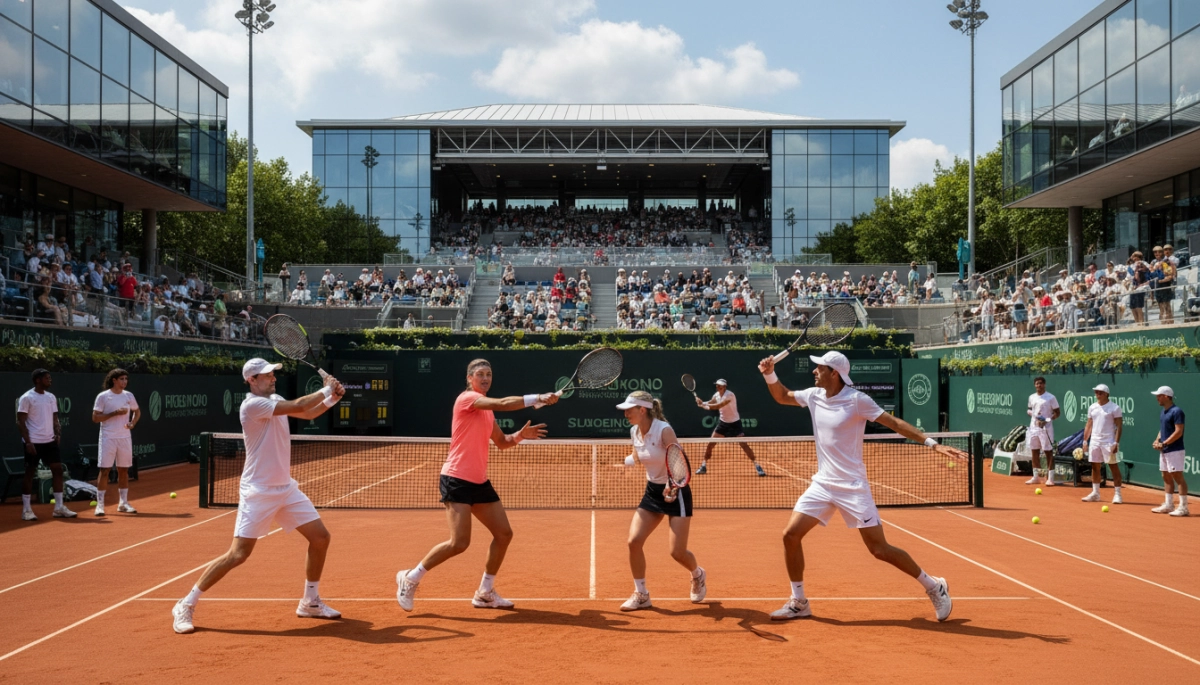
Doubles is its own tactical ecosystem: chemistry, complementary skills, and synchronized court positioning trump solo rankings. Top pairs combine a dominant server or returner with a dependable net player who reads volleys and poaches with timing. Effective teams also show flexible formations (I-formation, Australian) and quick transitions between offense and defense.
Key stats to follow: return games won (breaks are rarer in doubles), net points won, and first-serve hold percentage. Pairs that win over 75–80% of their service games typically control draws; those converting a high proportion of break points tend to prevail in tight matches and match tiebreaks. Watch how teams handle the serve-and-volley versus two-up exchange: some pairs neutralize aggressive return teams by serving out wide and cutting angles, while others rely on pressure returns to create poaching opportunities.
For matchups, surface again shifts advantage — quick indoor hard courts favor reflex volleys and angle creation, while slower clay rewards consistency and patient construction from the baseline. When evaluating who “rules” doubles events, prioritize pairings with repeated Grand Slam semifinal/final appearances, low unforced-volley error rates, and evident on-court communication: those intangible signals often decide championship points.
Where to look next
Tennis seasons are shaped by momentum shifts, surface swings, and breakout weeks — not just the rankings on a single Monday. Stay curious: watch form across a few events rather than one result, note pairing changes in doubles, and give extra attention to players who improve specific metrics (serve consistency, return efficiency, net control). For official ranking updates and tournament calendars, check the ATP Tour and equivalent WTA resources before making judgments based on isolated matches.
Enjoy the ride. Whether you follow for statistics, storylines, or pure entertainment, the best way to keep your view of the tour sharp is to track trends over time and let tactical nuances — not only headline names — inform who you expect to rise in the weeks ahead.
Key Takeaways
- Assess “top” status using official rankings, recent form, and head-to-head/tactical fit together for a fuller picture.
- Surface specialization and scheduling decisions heavily influence who peaks at Slams and Masters-level events.
- Doubles success hinges on partnership chemistry, net dominance, and strategic formations more than individual rankings.